
Amaryl (Glimepiride): Comprehensive Patient Information for Australia
1. Basic Product Information
| International Non-Proprietary Name (INN) | Glimepiride |
|---|---|
| Australia Brand Names | Amaryl, Glimepiride Sandoz, Glimepiride Apotex, Glyade |
| ATC Code | A10BB12 |
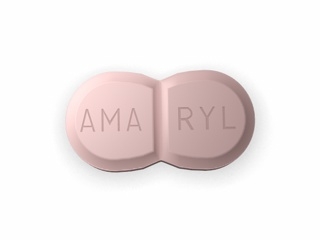
| Available Forms & Strengths | Tablets: 1 mg, 2 mg, 3 mg, 4 mg |
| Manufacturers | Sanofi-Aventis, Apotex, Sandoz, Alphapharm, Mylan |
| Prescription Status | Prescription Only Medicine (Schedule 4, Pharmacist Dispensing, PBS listed) |
2. How Amaryl (Glimepiride) Works
For Patients: Amaryl belongs to a group of medicines known as sulfonylureas. It helps lower blood sugar levels in adults with type 2 diabetes by helping the pancreas release more insulin, a natural hormone your body uses to control blood sugar.For Specialists: Glimepiride acts by binding selectively to the sulfonylurea receptor (SUR1) on pancreatic β-cells, closing ATP-sensitive potassium channels and triggering membrane depolarisation. This facilitates calcium influx and stimulates insulin secretion in a glucose-dependent manner. Amaryl also has extrapancreatic effects (mild increase in insulin sensitivity and hepatic glucose metabolism).
3. Pharmacokinetics
- Absorption: Rapidly and completely absorbed from the gastrointestinal tract; peak plasma levels in 2–3 hours.
- Metabolism: Heavily metabolised in the liver (CYP2C9); two main metabolites (one active, one inactive).
- Elimination: Excreted mainly in urine (approximately 60%) and some in faeces (approx. 40%).
- Duration of Action: 24 hours, supporting once-daily dosing.
- Half-life: 5–8 hours in healthy adults.
4. Everyday Use and Best Practice
- Who Takes Amaryl? Adults diagnosed with type 2 diabetes mellitus, especially when diet, exercise, and other medicines (e.g., metformin) have not controlled blood sugar.
- Usual Adult Starting Dose: 1 mg once daily with breakfast, titrated up to a usual range of 1–4 mg daily. Maximum recommended dose is 4–8 mg per day (as advised by prescriber).
- Tablet Administration: Swallow whole with water, preferably at the same time each day, to maintain steady blood glucose.
- Missed Dose: Take as soon as remembered if close to the missed time. If close to the next dose, skip the missed dose. Never double dose.
- Lifestyle Context: In Australia, regular meal patterns, moderate exercise, and consistent use with other anti-diabetics (as prescribed) are important. Australian food and lifestyle habits should be discussed with your healthcare professional for optimal management.
5. Morning vs Evening Dosing
- Morning: Preferred, as blood sugar is often higher after breakfast and during the day. Reduces risk of overnight hypoglycaemia.
- Evening: Generally not recommended due to risk of night-time low blood sugar.
- Tip: Try to take your dose at the same time, with breakfast, each day for best effect and fewer side effects.
- Trouble Remembering? Use smartphone reminders or link your dose to a regular morning routine (e.g., after brushing teeth).
6. Taking Amaryl with Food or Empty Stomach
- Recommended: Always take with or immediately after a meal (preferably breakfast) to reduce risk of hypoglycaemia.
- If Skipping Breakfast: Do not take your dose without food. Wait until you eat, then take the tablet.
- Effect of Meals: Food helps buffer the speed of glucose lowering.
- Australian Dietary Context: Traditional breakfast with cereal, toast, eggs, or a dairy serving is suitable. Avoid fasting or skipping meals when using Amaryl.
7. Interactions: Food, Alcohol & Medications
| Type | Potential Interaction | Advice |
|---|---|---|
| Alcohol | Increases risk of low blood sugar (hypoglycaemia) | Avoid binge drinking. If drinking, consume alcohol only with a meal. |
| Other Diabetes Medicines | e.g., Insulin, Metformin, SGLT2 inhibitors | Monitor sugar more closely; doctor may adjust doses. |
| Beta-blockers | May mask symptoms of low blood sugar | Check with doctor before starting any new blood pressure medication. |
| Anti-fungals (Azoles) | May enhance effect of Amaryl | Inform your doctor and check blood sugar more often. |
| Corticosteroids, diuretics | May raise blood sugar | Your diabetes medication may need adjusting. |
| Grapefruit / Juice | Generally considered safe, but may rarely affect blood sugar | Safe in moderate amounts typical in Australian diets. |
8. Indications for Glimepiride (Amaryl)
| Indication | Official (TGA-approved)? | Comment |
|---|---|---|
| Type 2 Diabetes Mellitus (Non-Insulin Dependent) | Yes | First-line add-on or alternative therapy |
| Combination Therapy with Insulin | Yes (if lifestyle/oral agents inadequate) | May be used with metformin, SGLT2 inhibitors, DPP-4 inhibitors, or insulin as needed. |
| Pre-diabetes (Impaired Glucose Tolerance/Impaired Fasting Glucose) | No | Off-label; not funded by PBS or advised for prevention |
| Type 1 Diabetes | No | Not recommended or effective |
9. Dosing According to Clinical Indications
| Population | Typical Starting Dose | Typical Titration | Maximum Daily Dose |
|---|---|---|---|
| Adults (18–65 yrs) | 1 mg once daily | Increase by 1 mg at 1–2 week intervals based on sugar control | 4–8 mg (divided if >4 mg) |
| Elderly (>65 yrs) | 1 mg once daily | Very slow titration, careful monitoring | 4 mg (with caution) |
| Children & Adolescents (<18 yrs) | Not recommended | No established safety/efficacy data | Not indicated |
| Renal or Hepatic Impairment | 1 mg daily or less (prescriber decides) | Very slow titration; specialist supervision required | Lower max dose advised |
10. Safety Profile & Side Effects
- Common (1-10%): Low blood sugar (hypoglycaemia), headache, nausea, weight gain, mild rash, dizziness.
- Less common/rare (<1%): Visual changes at start of therapy (transient), allergic skin reactions, liver enzyme elevations, cholestatic jaundice, blood cell count changes (rare).
- Warnings: Hypoglycaemia is the most serious risk, especially with missed meals, excessive exercise, or alcohol consumption. Elderly or renally impaired patients have a greater risk of dangerous low blood sugar events.
- Severe Allergic Reactions: Extremely rare. Seek urgent care if swelling, difficulty breathing, or severe rash occurs.
11. Guidelines for Proper Use: Pharmacist & Clinic Advice (Australia)
- Always follow the regimen set by your doctor or diabetes nurse educator.
- Monitor blood glucose regularly (as recommended by your GP or diabetes educator).
- Carry fast-acting glucose (e.g., jelly beans, glucose tablets) in case of hypoglycaemia.
- Never skip meals or combine with fasting diets.
- Notify your doctor of any new prescribed, OTC, or herbal medicines.
- If you become pregnant or plan to, tell your doctor—other medications may be safer.
- Maintain regular check-ups (blood pressure, cholesterol, eyes, feet) as recommended in Australia.
12. Alternative Treatment Options (PBS-Listed)
- Metformin (first line; less risk of hypoglycaemia, weight neutral, PBS reimbursed)
- Gliclazide (another sulfonylurea; similar efficacy with slightly different side effect profile)
- DPP-4 Inhibitors (e.g., sitagliptin; lower hypoglycaemia risk, weight neutral, PBS covered with some restrictions)
- SGLT2 Inhibitors (e.g., empagliflozin, dapagliflozin; help weight loss and reduce heart/renal risk in some patients, PBS listed for specific situations)
- GLP-1 Agonists* (e.g., dulaglutide; strong weight loss effect, approved for certain situations, PBS restrictions apply)
- *Insulin therapy is considered when oral agents are not sufficient.
13. Legal, Registration, and Reimbursement Status in Australia
- Australian legal classification: Prescription Only (Schedule 4)
- TGA (Therapeutic Goods Administration): registered
- PBS (Pharmaceutical Benefits Scheme): reimbursed for type 2 diabetes
- Prescribed by GPs, endocrinologists, possibly by nurse practitioners under structured care
- Not available as an OTC or pharmacy-only (S3) medication
14. Recent Research & Clinical Guidance (2022–2025)
- Australian Diabetes Society guidelines (2023) recommend individualised sulfonylurea (including glimepiride) use, generally after metformin and lifestyle, with caution in older adults due to hypoglycaemia risk.
- Recent trials show similar HbA1c reductions with glimepiride vs. other sulfonylureas, but increased caution is advised in those over 65 and with chronic kidney disease (see: ADA Standards of Care 2024, Diabetes Australia Position Statement 2024).
- Combination therapy (with metformin, SGLT2i, or DPP-4i) may further reduce blood sugar, but monitoring for hypoglycaemia is essential (see: UKPDS and ADVANCE trials, summary in Dunning et al, MJA 2022).
- No significant new safety concerns have emerged for Australian patients using currently-approved doses; however, increasing use of newer agents is influencing prescribing trends in younger and high-CardioRenal risk populations.
15. Availability, Pack Sizes, Indicative Prices, & City Delivery Table
| Pack Size | Strength | PBS Price (May 2024)* | Private Price (approx.) | Delivery in Metro (Sydney, Melbourne, Brisbane)** | Regional/Rural Delivery** |
|---|---|---|---|---|---|
| 30 tablets | 1 mg, 2 mg, 3 mg, 4 mg | $6.70 concessional $29.00 general | $12–$26 | Next business day | 2–3 business days |
| 100 tablets | 1 mg, 2 mg, 3 mg, 4 mg | PBS applies (as above) | $40–$60 | 1–2 business days | Up to 5 business days |
**Remote areas may experience slightly longer delivery times.
16. Frequently Asked Questions (FAQs)
- What should I do if I miss a dose?
If you miss a dose, take it with your next meal as soon as you remember. If it is nearly time for your next dose, skip the missed dose. Never double up. Maintain consistent dosing routines. - Can I drive or operate machinery while taking Glimepiride?
You may drive if your blood sugar is stable and you recognise symptoms of low blood sugar. If you experience dizziness, confusion, or signs of hypoglycaemia—do not drive. Always notify your doctor if you experience low blood sugar episodes. - Is Glimepiride safe in pregnancy or while breastfeeding?
Amaryl/Glimepiride is not routinely recommended in pregnancy or breastfeeding. Speak to your doctor for safer alternatives, such as insulin, if you are planning a baby or are expecting. - What if I experience signs of low blood sugar?
Treat immediately with fast-acting glucose (e.g., sweets, honey, soft drink, or glucose tablets). Notify your GP if episodes occur repeatedly. Carry a hypoglycaemia action card or bracelet as recommended by Diabetes Australia. - Do I need to adjust my dose for travel or time zone changes?
Yes, discuss with your diabetes educator or GP before long-distance travel, especially when crossing time zones or changing meal patterns. Always keep medicine in original packaging and carry a letter from your doctor when travelling.