Desmopressin: Patient Guide for Australia
1. Basic Product Information
| International Non-Proprietary Name (INN) | Desmopressin |
|---|---|
| Australia Brand Names | Minirin, Octim, Desmopressin Sandoz, Noctiva |
| ATC Code | H01BA02 |
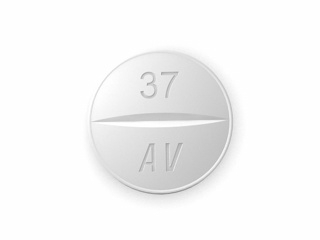
| Available Forms & Strengths | Nasal spray (10 µg/dose), oral tablet (100 µg, 200 µg), oral lyophilisate (dissolving wafer; 60 µg, 120 µg, 240 µg), injectable (rarely used) |
| Manufacturers | Ferring Pharmaceuticals, Sandoz, Teva, other approved manufacturers |
| Prescription Status | Prescription only (Schedule 4 medication under the Poisons Standard, Australia) |
2. Mechanism of Action
- For patients: Desmopressin is a man-made hormone, similar to vasopressin (antidiuretic hormone), which helps your body manage how much urine it makes. It works mainly in your kidneys to reduce the amount of urine you pass, helping control excessive urination, especially at night.
- For specialists: Desmopressin selectively binds to V2 receptors in the renal collecting ducts, increasing water reabsorption and reducing urine volume without significant effects on blood pressure or vascular tone (at therapeutic doses).
3. Pharmacokinetics
- Absorption: Poor oral bioavailability (<1%–oral; 3–5% oral lyophilisate); intranasal absorption is more efficient (5–10%).
- Peak levels: Oral forms: 1–2 hours; nasal spray: 15–60 minutes.
- Metabolism: Minimal hepatic metabolism; mostly cleared unchanged by the kidneys.
- Elimination: Mainly renal, with a mean half-life of around 2–3 hours.
- Duration of action: Typically 6–14 hours (varies by formulation and individual response).
4. Use in Everyday Life and Best Practices in Australia
Desmopressin is commonly used in Australia to treat:
- Primary nocturnal enuresis (bed-wetting) in children over 6 and adults.
- Diabetes insipidus (cranial or central type), including inherited and acquired causes.
- Nocturia (frequent nighttime urination) in adults, especially the elderly.
- Bleeding disorders (mild haemophilia A or von Willebrand's disease)—by specialist advice.
Typical Doses: Always follow your doctor’s individual recommendation. Please do not adjust your dose without medical advice.
- For bed-wetting: 200–400 μg oral tablet (or equivalent wafer), once at bedtime.
- For diabetes insipidus: Dosing varies (usually split into two or three doses daily; adult total 100–1200 μg, tailored carefully).
- For nocturia: 50 μg (women), 100 μg (men), orally once before bed (start with lowest effective dose and monitor close for hyponatraemia).
- For bleeding disorders: Given as injection or nasal spray, by specialist instruction.
Best Practice Tips: Try to take your dose at the same time each day, usually in the evening. Do not drink more fluids than usual after taking desmopressin, and tell your doctor or pharmacist if you develop cold, flu, vomiting, diarrhoea, or another illness that could affect your body’s fluid balance.
5. Dosing in the Morning vs Evening
- Evening dosing is typical for nocturnal problems (e.g., bed-wetting, nocturia).
- Morning or split dosing may be used for diabetes insipidus, depending on individual response.
- Advantages of evening dosing:
- Aligns with periods of sleep when urine production needs to be reduced.
- Simpler to remember—take before bedtime.
- Disadvantages:
- Risk of low sodium (hyponatraemia) if fluids are consumed overnight or before bed.
- If you forget a dose, don’t double up in the morning—seek pharmacy advice.
- Tip: Establish a bedtime routine and limit pre-bedtime beverage intake. Speak with your doctor or pharmacist for individual plans, especially if you experience symptoms like headache or confusion in the morning.
6. Taking with Food or on an Empty Stomach
- Desmopressin can be taken with or without food. However, a large or high-fat meal may delay and reduce the absorption of oral and wafer forms.
- Best in Australia: If possible, take your dose on an empty stomach, either an hour before, or two hours after, a meal—particularly for tablets/wafer forms.
- If used in children, avoid heavy meals or snacks right before bedtime dose.
7. Interaction Warnings
Desmopressin may interact with other medicines, foods, or substances. Always inform your doctor or pharmacist about all medications (prescribed or over-the-counter), vitamins, herbal or complementary supplements.
| Substance | Potential Interaction |
|---|---|
| Alcohol | May increase risk of side effects, such as low sodium or dehydration; avoid simultaneous use. |
| NSAIDs (e.g., ibuprofen) | Can increase risk of hyponatraemia (low sodium); caution advised. |
| Selective serotonin reuptake inhibitors (SSRIs) | May worsen risk of hyponatraemia. |
| Tricyclic antidepressants | May increase risk of water retention. |
| Diuretics | May interfere with effect or increase adverse effects. |
| Loperamide | May increase and prolong desmopressin effect, raising sodium risk. |
| Carbamazepine/Chlorpropamide | May enhance effect of desmopressin. |
8. Indications
| Indication | Application (Official/Off-Label) | Notes |
|---|---|---|
| Primary nocturnal enuresis (bed-wetting) | Official | For patients aged ≥6 years, after exclusion of organic causes |
| Diabetes insipidus (central/craniogenic) | Official | Mainstay therapy; not for nephrogenic type |
| Nocturia (adults) | Official (recent updates) | Low-dose used after diagnosis and sodium monitoring |
| Bleeding disorders (mild haemophilia A, von Willebrand’s disease) | Official (specialist use) | Pre-surgical or procedural use |
| Polyuria/polydipsia due to trauma/tumours | Official/off-label | Diagnosis must be verified by an endocrinologist |
9. Dosing According to Clinical Indications
| Indication | Adults | Paediatric | Elderly |
|---|---|---|---|
| Primary nocturnal enuresis | 200–400 μg oral, at bedtime | 200 μg oral, at bedtime (≥6 yrs) | Start at 50–100 μg oral, lower limit, monitor sodium |
| Central diabetes insipidus | 100–1200 μg oral, split | 50–200 μg oral, split | Lower doses preferred; monitor sodium and renal function |
| Nocturia | 50 μg (women), 100 μg (men), at bedtime | Not typically used | Start low, monitor closely due to higher hyponatraemia risk |
| Bleeding disorders | 0.3 μg/kg, injectable/nasal (single dose, per specialist) | 0.3 μg/kg, injectable/nasal (per specialist) | Per specialist, lower dose due to fluid balance risk |
Dosing must be personalised by a doctor or specialist, with ongoing monitoring of sodium and kidney function, especially in the elderly or those with cardiovascular/renal disease.
10. Safety Profile and Side Effects
The most important risk with desmopressin is low sodium (hyponatraemia), particularly in older adults, young children, and those taking certain other medicines or drinking too much fluid. Tell your doctor if you experience symptoms such as headache, nausea, vomiting, confusion, muscle cramps, or seizures.
| Common Side Effects | Frequency |
|---|---|
| Headache | 1–10% |
| Nausea | <5% |
| Abdominal pain or discomfort | Uncommon |
| Uncommon/Rare but Serious | Frequency |
| Hyponatraemia (low sodium, can cause seizures) | Rare, but main risk |
| Water intoxication | Rare |
| Allergic reactions (rash, swelling, wheezing) | Rare |
| Nasal congestion/irritation (if using nasal spray) | 5–10% |
Warnings: Avoid excessive fluids from 1 hour before until at least 8 hours after dose. Elderly patients are at increased risk of hyponatraemia.
11. Guidelines for Proper Use (Australia Context)
- Be sure you understand your correct dose and schedule. If in doubt, ask your pharmacist or GP.
- Tell your healthcare provider about any new medicines or significant changes to your health, especially if you develop a cold, cough, vomiting, diarrhoea, or fever.
- In hot weather or after strenuous exercise, fluid management advice is even more important.
- If you experience unexplained tiredness, confusion, headache, or muscle cramps—contact your doctor urgently.
- Keep tablets/wafer in their original packaging, away from heat and moisture. Nasal spray should be primed before first use and used within its expiry window.
- Before planned surgery, dental work, or other procedures, inform your medical team if you are taking desmopressin, due to fluid balance risks.
- Desmopressin is covered by the Pharmaceutical Benefits Scheme (PBS) for many indications (as specified by your prescriber in Australia).
12. Alternative Treatment Options
- Enuresis alarms: Non-medicine approach, especially first-line for children; no risk of side effects but takes time and motivation.
- Imipramine: Occasionally used second-line for bed-wetting; more side effects than desmopressin; not reimbursed by PBS for this use.
- Behavioural therapies for nocturia: Fluid timing, bladder re-training, physiotherapy for some patients.
- Thiazide diuretics or indomethacin: Used for some causes of central diabetes insipidus by specialist advice; monitor closely for risks.
Pros of Desmopressin: Fast, convenient, generally safe when monitored.
Cons: Needs careful fluid management and sodium monitoring, especially in the elderly.
13. Legal, Registration, and Reimbursement Status in Australia
- Scheduled Prescription Medicine (Schedule 4 under Australian Poisons Standard).
- Approved by the Therapeutic Goods Administration (TGA) for listed indications.
- Most forms and strengths covered by the Pharmaceutical Benefits Scheme (PBS) for eligible patients and conditions—ask your doctor or pharmacist for current status.
- May be subject to prior approval or specialist assessment for reimbursement for some indications.
14. Latest Research & Clinical Guidance (2022–2025)
- Australian guidelines: 2023–2024 updates reaffirm use of desmopressin as first-line for adult nocturia and childhood enuresis (Royal Australasian College of Physicians, Australian Prescriber).
- Recent studies highlight the importance of individual sodium monitoring—especially for those over 65 (Australian and UK real-world data 2022–2024).
- Consensus statements (Journal of Clinical Endocrinology & Metabolism, 2023): Desmopressin remains essential for central diabetes insipidus but requires renewed dose vigilance, especially in polypharmacy or comorbid patients.
- Cochrane Review (2022): Desmopressin is superior to placebo for bed-wetting, especially in motivated families limiting fluid.
15. Availability and Delivery
Desmopressin is available at most community and online pharmacies in Australia, with or without PBS subsidy depending on circumstances.
| Formulation | Popular Pack Sizes | Indicative Price* | Delivery (Major Cities)** |
|---|---|---|---|
| Minirin tablets (200 μg) | 30, 90 tablets | $30–$70 (with PBS: ~<$40 co-pay/month) | Sydney, Melbourne, Brisbane: 1–2 days; other capitals: 2–4 days |
| Minirin Melt (wafer, 120 μg) | 30, 90 wafers | $55–$120 (with PBS: varies) | Most major centres: 1–3 days; regional: 2–5 days |
| Desmopressin nasal spray | 2.5 mL, 5 mL bottle | $45–$90 (may be PBS) | Most cities: 1–3 days, remote: 5–7 days |
*Prices as of Q1 2024. **Delivery estimates for in-stock items with standard shipping; check retailer or pharmacy for specific details.
16. Frequently Asked Questions (FAQ)
- Can I drink water after taking desmopressin?
No, avoid drinking excess fluids from 1 hour before until at least 8 hours after your dose to reduce the risk of low sodium (hyponatraemia). Sip only as needed if you are thirsty. - What should I do if I miss a dose?
If you miss a dose, skip it and take the next one at your usual time. Do not double your dose. If you forget frequently, discuss your routine with your pharmacist or GP. - Is desmopressin safe for elderly patients?
Desmopressin can be used in older adults, but your doctor will start you on a lower dose and monitor your blood sodium regularly. Seek medical advice if you develop headaches, confusion, or cramps. - Can children use desmopressin?
Yes, for bedwetting over the age of 6 and for central diabetes insipidus under paediatric supervision. Never use in children under 6 for enuresis. - What are signs of low sodium (hyponatraemia)?
Seek medical help if you feel unwell with headache, nausea, vomiting, confusion, unusual tiredness, muscle cramps, or if you have a seizure after taking desmopressin.
For further information specific to your needs, please discuss with your pharmacist, GP, or specialist.