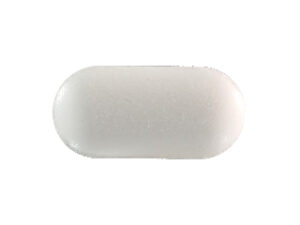
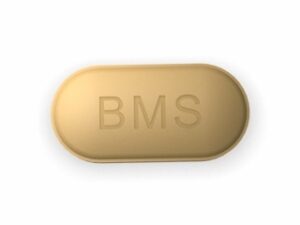
Prandin (Repaglinide): Comprehensive Patient Information for Australia
Basic Product Information
| International Non-Proprietary Name (INN) | Repaglinide |
| Australian Brand Names | Prandin®, Novonorm® |
| ATC Code | A10BX02 |
| Available Forms & Strengths | Tablets; 0.5 mg, 1 mg, 2 mg |
| Manufacturers | Novartis Pharmaceuticals Australia Pty Ltd, various generics |
| Prescription Status | Prescription Only Medicine (Schedule 4/S4) |
Mechanism of Action
For Patients:
Prandin (repaglinide) helps lower blood sugar in people with type 2 diabetes by making your pancreas release more insulin after you eat. It acts quickly and works mainly during meal times to control the rises in blood glucose that happen when you eat.
For Healthcare Professionals:
Repaglinide is a rapid-onset, short-acting insulin secretagogue (meglitinide class). It blocks ATP-dependent potassium channels in the β-cells of the pancreas, leading to cell depolarisation, calcium influx, and subsequent insulin release, particularly postprandially.
Pharmacokinetics
- Absorption: Rapid; peak plasma concentrations reached in ~1 hour after oral intake.
- Metabolism: Extensively metabolised by the liver (CYP3A4, CYP2C8 pathway), producing inactive metabolites.
- Elimination: Mainly via bile with minimal urinary excretion of unchanged drug.
- Duration of Action: Short; effect lasts about 4–6 hours, making it suitable for meal-time dosing.
Use in Everyday Life and Best Practices
Typical Dosage:
Most adults start with 0.5–1 mg taken before main meals, usually two to four times daily. Dose adjustments depend on blood glucose response. Maximum dose: 16 mg/day.
How to Use:
- Take each dose 15–30 minutes before eating a meal.
- If you skip a meal, skip that dose of Prandin.
- Do not take more than one dose at a time.
- Always follow your doctor’s instructions and monitor your blood sugar regularly.
English Context: Prandin can be a valuable option for those with varying meal times and those preferring a flexible diabetes management plan, common within English eating habits of three regular meals a day, with occasional snacks.
Dosing in the Morning vs Evening
- Morning Dosing: Useful for those having larger breakfasts; ensures good glycaemic control after the morning meal. Avoids hypoglycaemia overnight.
- Evening Dosing: Take before dinner; helps control post-dinner glucose spikes. Consider consultation if your evening meals are irregular or late, as this may increase hypoglycaemia risk.
- Tip: Try to take doses at consistent meal times every day for best results. If skipping a meal, skip the dose.
Taking with Food or on an Empty Stomach
Effect of Meals:
Prandin works best when taken just before eating. Taking it without a meal may cause your blood sugar to drop too low (hypoglycaemia).
Australian Dietary Habits:
With the English habit of three main meals and occasional snacks, Prandin fits conveniently. However, avoid taking Prandin before a minor snack or if you plan to skip a meal. Always have convenient access to fast-acting carbohydrates (e.g., glucose tablets) in case of mild hypoglycaemia.
Interaction Warnings
| Type | Examples | What to Do |
| Food | Grapefruit, fatty meals | Avoid grapefruit as it can alter drug metabolism; take just before regular meals. |
| Alcohol | Beer, wine | Alcohol can increase risk of hypoglycaemia; limit or avoid, especially on an empty stomach. |
| Medications increasing effect | Gemfibrozil, clarithromycin, itraconazole | May increase risk of low blood sugar; consult GP or pharmacist. |
| Medications decreasing effect | Rifampicin, phenytoin, corticosteroids | May reduce effectiveness; monitor blood sugar closely. |
| Other antidiabetic drugs | Insulin, sulfonylureas, metformin | Combination may increase risk of hypoglycaemia. Adjust dose as directed by doctor. |
Indications
| Indication | Official/Off-label | Comments |
| Type 2 Diabetes Mellitus | Official (PBS-listed) | Main indication; especially when metformin is contraindicated or not tolerated |
| Combination Therapy | Official | With metformin or thiazolidinediones |
| Other types of diabetes | Off-label (not recommended) | Not approved for use in type 1 or gestational diabetes |
Dosing by Clinical Indications
| Population | Initial Dose | Titration | Maximum Dose | Comments |
| Adults | 0.5–1 mg before meals | Increase incrementally (0.5–1 mg) weekly based on blood glucose | 16 mg/day (divided) | Monitor glucose; dose with main meals only |
| Elderly | 0.5 mg before meals | Slow titration | 16 mg/day | Cautious increase due to risk of hypoglycaemia |
| Children & Adolescents | Not recommended | - | - | Safety and efficacy not established |
| Renal Impairment | 0.5 mg before meals | Monitor carefully | - | Increased risk of hypoglycaemia |
Safety Profile & Side Effects
- Common: Hypoglycaemia (low blood sugar), headache, upper respiratory tract infection.
- Occasional: Joint pain, back pain, nausea, diarrhoea.
- Rare: Allergic reactions (rash, swelling), severe hypoglycaemia requiring intervention, liver function abnormalities, visual changes.
- Warnings:
- Do not use in type 1 diabetes or for diabetic ketoacidosis.
- Take extra care if you have impaired liver or kidney function.
- Discuss with your healthcare provider if you are pregnant, planning pregnancy, or breastfeeding.
Guidelines for Proper Use (Pharmacist/Clinic Advice for Australians)
- Always take doses as prescribed and in relation to meals.
- If you miss a meal, skip your Prandin dose for that meal.
- Keep hypo treatment (e.g. jellybeans, glucose tablets) handy at all times.
- Monitor your blood sugar levels regularly, especially during changes in activity or diet.
- Maintain a healthy diet and exercise plan as recommended by your GP or diabetes educator.
- Inform your healthcare provider of new medications, including herbal or over-the-counter products.
Alternative Treatment Options
| Medication | Class | PBS Reimbursed | Pros | Cons |
| Metformin | Biguanide | Yes | First-line, low hypo risk, weight neutrality | Gastrointestinal upset, contraindicated in severe renal impairment |
| Sulfonylureas (e.g. gliclazide) | Sulfonylurea | Yes | Effective, inexpensive | Higher hypo risk, weight gain |
| SGLT2 Inhibitors (e.g. empagliflozin) | SGLT2i | Yes | Weight loss, low hypo risk, CV benefit | Genital infections, dehydration |
| DPP-4 Inhibitors (e.g. sitagliptin) | DPP-4i | Yes | Low hypo risk, well tolerated | Cost, less potent HbA1c reduction |
| GLP-1 Agonists (e.g. dulaglutide) | GLP-1RA | Yes, with restrictions | Weight loss, CV benefit | Injectable, GI side effects |
| Insulin | Insulin | Yes | Strongest glucose lowering | Injectable, hypo & weight gain risk |
Legal, Registration, and Reimbursement Status in Australia
- Scheduling: Prescription Only (S4)
- Registration: Registered on the Australian Register of Therapeutic Goods (ARTG)
- Reimbursement: Listed on the Pharmaceutical Benefits Scheme (PBS)
- Authority: Prescribing requires an Australian-registered medical practitioner.
- NFZ: Not applicable in Australia (National Health Fund is a Polish system), PBS is the relevant subsidy scheme.
Latest Research & Clinical Guidance (2022–2025)
- The 2023 Australian Diabetes Society guidelines continue to recommend repaglinide for select type 2 diabetes cases, especially where metformin is unsuitable (ADS Type 2 Diabetes Management Handbook, 2023).
- Recent meta-analyses (2022–2024) confirm that repaglinide effectively lowers HbA1c, with a risk of hypoglycaemia similar to some sulfonylureas but a shorter duration of action (Update on Non-Insulin Therapies, MJA, 2024).
- Newer agents (SGLT2 and GLP-1) may be preferred for patients with cardiovascular or kidney risks, but repaglinide remains an alternative where rapid, meal-dependent glucose lowering is needed (International Diabetes Federation, 2024).
Availability and Delivery
| Pack Size | Approximate Price (PBS co-pay) | Major Cities Delivery Time |
| 30 tablets (1 mg) | $6.70 (2024 PBS general patient co-payment) | Sydney: Next business day; Melbourne: Next business day; Brisbane: 1–2 days; Perth: 2–4 days |
| 90 tablets (2 mg) | $6.70 (or concession: $0) | Sydney: Next business day; Melbourne: Next business day; Brisbane: 1–2 days; Perth: 2–4 days |
Frequently Asked Questions (FAQ)
- How quickly does Prandin start working after I take it?
Prandin usually starts to work within 30–60 minutes of taking it, helping to control your blood sugar during and right after your meal. - What should I do if I miss a dose?
If you forget to take Prandin before a meal, skip the missed dose—do not double up next time. Only take it before actual meals. - Can I take Prandin with other diabetes medicines?
Sometimes Prandin is combined with other diabetes medicines, but always follow your doctor’s instructions as the risk of low blood sugar may increase. - Is Prandin safe during pregnancy or breastfeeding?
Prandin is not routinely used during pregnancy or breastfeeding. Discuss safer alternatives with your doctor if you’re pregnant, planning to become pregnant, or breastfeeding. - What should I do if I experience symptoms of low blood sugar?
If you feel shaky, dizzy, hungry, or sweaty, have 15g of fast-acting sugar (like 5–6 jellybeans or three teaspoons of sugar dissolved in water), then recheck your blood glucose in 15 minutes.