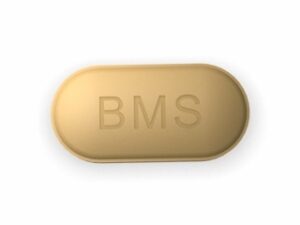
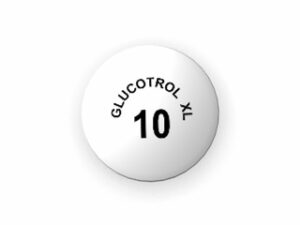
Metformin + Glyburide (Australia): Comprehensive Patient Information
Basic Product Information
| International Non-Proprietary Name (INN) | Metformin hydrochloride, Glyburide (also known as Glibenclamide) |
| ATC Code | A10BD02 |
| Australia Brand Names | Glucovance, Metforal Combi (varies by manufacturer; check with your local pharmacy) |
| Available Forms & Strengths | Tablets: Metformin 500 mg/ Glyburide 2.5 mg; Metformin 500 mg/ Glyburide 5 mg |
| Manufacturers | Sanofi-Aventis, Apotex, and other TGA-approved generics |
| Prescription Status | Prescription Only Medicine (Schedule 4, S4) |
Mechanism of Action
In Simple Terms
Metformin + Glyburide combines two different diabetes medications. Metformin helps your body use insulin better and reduces the amount of sugar made by your liver, while Glyburide helps your pancreas release more insulin. Together, they help lower and stabilise blood sugar levels in people with type 2 diabetes.
For Health Professionals
- Metformin: Acts primarily by inhibiting hepatic gluconeogenesis, increasing insulin-mediated peripheral glucose uptake, and improving insulin sensitivity.
- Glyburide: A sulfonylurea that stimulates insulin release from pancreatic beta cells by blocking ATP-sensitive potassium channels.
- They have complementary mechanisms, improving both insulin resistance and secretory defects in type 2 diabetes mellitus (T2DM).
Pharmacokinetics
- Absorption: Metformin is absorbed mainly from the small intestine (bioavailability ~50–60%). Glyburide is well absorbed orally (bioavailability ~50%).
- Onset and Duration:
- Metformin: Onset within days; full effect in up to 2 weeks. Duration: 6–12 hours.
- Glyburide: Onset in 1–2 hours; Duration: up to 24 hours.
- Metabolism and Elimination:
- Metformin: Not metabolised, excreted unchanged in urine (half-life 4–9 hours).
- Glyburide: Extensively metabolised in the liver, excreted in urine and bile (half-life ~10 hours).
Use in Everyday Life and Best Practices
- Used for managing type 2 diabetes in adults when diet, exercise, and monotherapy do not provide adequate glycaemic control.
- Typical Dosage: Often starts with 1 tablet (500/2.5 mg) once daily with breakfast or first main meal. Dosage may be adjusted by your doctor based on blood sugar levels, up to the maximum prescribed dose (usually not exceeding 4 tablets daily).
- Take exactly as prescribed. Do not adjust dose or stop medicine without a doctor's advice.
- Used as an adjunct to healthy eating and regular exercise—mainstays of diabetes management in Australia (eg. Mediterranean/English diet adaptations).
Dosing in the Morning vs Evening
- Morning Dosing:
- Often preferred to reduce risk of nocturnal hypoglycaemia (low blood sugar at night).
- Taken with breakfast or the first substantial meal for optimal efficacy and safety.
- Evening Dosing:
- May be advised if sugars are particularly high after dinner, or on special doctor's advice.
- Always take with food to reduce stomach upset and reduce risk of hypoglycaemia.
- Tips for Regularity:
- Try to take your medicine at the same time(s) every day.
- Using a pillbox, phone reminders, or daily routines (with breakfast, for example) can help.
Taking with Food or on an Empty Stomach
- Always take Metformin + Glyburide with food.
- Taking with meals helps reduce stomach upset (nausea, diarrhoea from metformin) and lowers risk of low blood sugar (from glyburide).
- Adapt to the typical English diet — take with breakfast or your first main meal (could be toast, cereal, eggs, or main lunch meal depending on routine).
- Do not skip meals while on this medication, as it increases the risk of hypoglycaemia.
Interaction Warnings
| Interacting Substance | Recommendation |
| Alcohol | Avoid or limit. Increases risk of lactic acidosis (rare but serious) and hypoglycaemia. |
| Certain Blood Pressure Medications (beta-blockers, ACE inhibitors) | Can mask symptoms of low blood sugar. Check with your doctor before using together. |
| Diuretics, Corticosteroids | May raise blood sugar. More frequent monitoring may be needed. |
| NSAIDs (e.g. ibuprofen) | May increase risk of hypoglycaemia when used with glyburide. |
| Other Diabetes Medications (insulin, sulfonylureas) | Careful dose adjustment and monitoring may be needed to avoid low blood sugar. |
| Contrast Media (used in scans) | May require temporary discontinuation before/after procedures; discuss with your specialist. |
Indications
| Clinical Indication | Status | Details |
| Type 2 Diabetes Mellitus | Approved | For adults who have inadequate control with diet, exercise, and metformin or glyburide alone. |
| Polycystic Ovary Syndrome (PCOS) | Off-label | Not standard in Australia. Metformin alone used more commonly. |
Dosing According to Clinical Indications
| Population | Typical Dose | Notes |
| Adults | 1–2 tablets (500/2.5mg or 500/5mg), once or twice daily with meals | Adjust per doctor’s advice. Max: 4 tablets/day. |
| Elderly (≥65 years) | Start low (often 1 tablet/day) | Close monitoring due to risk of side effects, especially kidney problems and hypoglycaemia. |
| Children | Not recommended | Safety and efficacy not established for under 18 years. |
Safety Profile and Side Effects
| Side Effect | Frequency | Advice |
| Gastrointestinal upset (nausea, diarrhoea, abdominal pain) | Very common | Take with food; usually improves over time |
| Low blood sugar (hypoglycaemia) | Common | Avoid skipping meals, monitor symptoms (sweating, shakiness, confusion) |
| Weight gain | Common | Maintain active lifestyle and healthy eating |
| Allergic reactions (rash, itching, swelling) | Rare | Seek immediate medical advice if severe |
| Lactic acidosis (muscle pain, difficulty breathing, unusual tiredness) | Very rare but serious | Stop medicine and seek urgent medical help if suspected |
Guidelines for Proper Use
- Always take your medication as prescribed by your doctor—do not stop or alter the dose without professional advice.
- Monitor your blood sugar regularly, as advised during regular GP reviews or diabetes check-ups.
- Carry identification (such as a MedicAlert card/bracelet) stating you have diabetes and take medications that can cause low blood sugar.
- Inform your GP and pharmacist of all other medicines or supplements, including over-the-counter and herbal products.
- Be cautious with alcohol—ask your doctor about safe limits.
- If you become unwell, have surgery, or require a contrast scan, inform all healthcare providers you're taking this medicine.
- For travel in Australia (or abroad), carry extra medication and a copy of your prescription.
- Contact your health care team if you experience persistent side effects or signs of low blood sugar, particularly if you are elderly or live alone.
Alternative Treatment Options
- Other oral medications:
- Metformin alone (first-line in most cases; fewer risks of hypoglycaemia and weight gain).
- Sulfonylureas alone (eg. gliclazide—commonly subsidised by Australian PBS, slightly lower risk of hypoglycaemia than glyburide).
- DPP-4 inhibitors (eg. sitagliptin) and SGLT2 inhibitors (eg. dapagliflozin) — reimbursed in eligible patients (PBS criteria apply); typically lower risk of low blood sugar.
- Insulin therapy (for severe cases or when oral agents fail).
- Non-drug alternatives: Lifestyle modification (healthy eating, weight loss, physical activity).
- Comparative Overview:
- Combination therapy (like Metformin + Glyburide) is stronger but with higher risk of hypoglycaemia and some side effects.
- Newer agents (eg. GLP-1 agonists, SGLT2 inhibitors) may offer heart/kidney benefits, weight loss, and lower blood sugar without as much risk of hypoglycaemia, but cost and side-effect profiles should be considered.
Legal, Registration, and Reimbursement Status in Australia
- Therapeutic Goods Administration (TGA): Metformin + Glyburide is registered for use in T2DM according to approved indications.
- Prescription Status: Schedule 4 medication—available by prescription only from a registered Australian healthcare provider.
- Subsidy: Available on the Pharmaceutical Benefits Scheme (PBS) for eligible patients—check with your pharmacist regarding current subsidy amounts or criteria.
- Private Health Cover: Some private insurers may cover part of the medication cost.
Latest Research and Clinical Guidance (2022–2025)
- Australian Diabetes Society (ADS) and updated RACGP guidelines continue to recommend metformin as first-line therapy, with combination oral agents (including metformin+glyburide) considered when monotherapy fails (racgp.org.au).
- Recent reviews (Smith et al., Diabetes Therapy 2023; Craig et al., Aust Prescriber 2022) suggest that combination therapy is effective, but risk of hypoglycaemia should be discussed, and shared decision-making with patients is key.
- SGLT2 inhibitors and GLP-1 analogues are being increasingly used, especially in patients with heart or kidney disease, but access and cost are limiting factors.
- No new major safety concerns identified; ongoing monitoring and pharmacovigilance recommended.
Availability and Delivery
Metformin + Glyburide is stocked by most community pharmacies and hospital dispensaries across Australia. If not in stock, most pharmacies can order it in 24-48 hours.
| Popular Pack Sizes | Indicative Retail Price (non-concessional) |
| 30 tablets | $16–$30 (PBS pricing lower with eligible concession cards) |
| 90 tablets | $36–$62 |
| City | Estimated Delivery Time (business days) |
| Sydney | 1–2 |
| Melbourne | 1–2 |
| Brisbane | 2–3 |
| Perth | 2–4 |
| Adelaide | 1–3 |
| Regional/Rural Areas | 2–5 |
Frequently Asked Questions (FAQ)
- Can I stop Metformin + Glyburide if my sugar levels are good?
No, always consult your doctor before stopping. Stopping suddenly can cause your blood sugar to rise again and may worsen your diabetes. - What should I do if I miss a dose?
Take the missed dose as soon as you remember, with food. If it is almost time for your next dose, skip the missed dose—do not double up. - Is it safe to drink alcohol while taking this medication?
Alcohol should be limited, as it increases the risk of dangerous side effects such as lactic acidosis and hypoglycaemia. Discuss safe limits with your healthcare provider. - What happens if I experience low blood sugar?
Take a quick source of glucose (e.g. 6 jellybeans, ½ glass of regular soft drink or fruit juice), then eat a small snack. Inform your doctor if episodes recur. - Can I use this medication while pregnant or breastfeeding?
No, this combination is not recommended in pregnancy or breastfeeding. Discuss safer alternatives with your doctor if planning a family.