
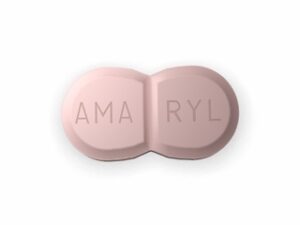
Acarbose: Patient Information for Australia
Basic Product Information
| International Non-proprietary Name (INN) | Acarbose |
|---|---|
| Brand Names in Australia | Glucobay® |
| ATC Code | A10BF01 |
| Available Forms & Strengths | Tablet: 50 mg, 100 mg |
| Manufacturers | Bayer Australia Ltd and others |
| Prescription Status | Prescription Only Medicine (Schedule 4) |
Mechanism of Action
For Patients: Acarbose works mainly in your gut (intestines) by slowing down the digestion of carbohydrates (such as bread, pasta, and potatoes). This means it helps prevent blood sugar spikes after you eat. Acarbose does not influence the way your body produces insulin or how much sugar your liver releases. Instead, it acts locally in your bowel to reduce the absorption rate of sugars into your bloodstream.
For Specialists: Acarbose is a competitive, reversible inhibitor of intestinal α-glucosidases. It delays the breakdown of complex carbohydrates and sucrose into absorbable monosaccharides, thus reducing postprandial (after-meal) blood glucose levels. Unlike sulphonylureas or insulin, it does not stimulate insulin secretion nor cause hypoglycaemia when used alone.
Pharmacokinetics
- Absorption: Minimal systemic absorption; up to 35% is absorbed as inactive metabolites after hydrolysis by gut bacteria.
- Metabolism: Metabolised mainly in the intestines by digestive enzymes and gut bacteria. Some is absorbed and metabolised in the liver.
- Elimination: Predominantly via stool (approximately 50% as unchanged drug), the remainder via urine as metabolites.
- Duration of Action: The action is limited to the gastrointestinal tract; effects last as long as the gut contains acarbose and incoming carbohydrates (generally for the duration of digestion after a meal).
Use in Everyday Life and Best Practices
Who is Acarbose for? Acarbose is typically used for adults with type 2 diabetes, especially those who have trouble controlling blood sugar levels after meals. It can be used alone or with other diabetes medicines such as metformin or sulfonylureas. It is best suited to people whose main issue is high glucose spikes following food intake, particularly with carbohydrate-rich meals common in the English diet.
How do I take acarbose?
- Take tablets with the first bite of each main meal (usually breakfast, lunch, and dinner).
- Swallow the tablet whole with a little water, or chew it with the first mouthful of food.
- Your doctor will usually start you with a low dose (e.g., 50 mg three times daily) and increase this carefully, depending on your response and any side effects.
What should I avoid? Do not take more than prescribed. Avoid high-sugar foods to prevent unpleasant side effects like wind and bloating.
Dosing in the Morning vs Evening
- Consistency is key: Always take acarbose with meals, regardless of time of day.
- Morning Dose: Particularly important if breakfast contains substantial carbohydrates (cereal, toast).
- Evening Dose: Equally effective for dinner; take it with or just before a carbohydrate-rich evening meal.
- Tip: Take the medicine at regular times each day, aligned to your meals, to help improve control and remember doses. Using a pillbox or setting reminders can assist with regularity.
- Missed Dose: If you forget at the start of a meal, you can still take the missed tablet if you're still eating. Do not double up or take it after a meal has ended.
Taking with Food or on an Empty Stomach
- With Food: Essential. Acarbose must be taken with the first mouthful of food. This is when it can block the enzymes that break down carbohydrates into sugar—thus preventing post-meal blood sugar spikes.
- Empty Stomach: Not recommended—acarbose will have little effect if taken when there are no carbohydrates to digest.
- Australian Diet: Modern Australian meals are often carbohydrate-rich (cereals, bread, potatoes, rice, pasta). Take acarbose when eating such meals for the best effect.
Interaction Warnings
| Interacting Item | Effect | Advice |
|---|---|---|
| Digestive enzyme supplements (e.g., amylase, pancreatin) | Decrease acarbose effectiveness | Avoid or consult your doctor/pharmacist |
| Other diabetes medicines (e.g., sulfonylureas, insulin) | Risk of low blood sugar (hypoglycaemia) | Monitor blood sugar; treat hypoglycaemia with dextrose (glucose), NOT sucrose/table sugar |
| Antacids and some antibiotics | May alter acarbose absorption/effect | Consult your doctor if used regularly |
| Alcohol | May increase risk of hypoglycaemia, particularly if on other diabetes medicines | Limit alcohol consumption; never drink on an empty stomach |
| Fibre supplements (e.g., psyllium) | May increase gastrointestinal side effects | Take several hours apart if necessary |
Indications
| Indication | Status | Comments |
|---|---|---|
| Type 2 diabetes (non-insulin dependent diabetes mellitus) | Approved | As monotherapy or in combination, particularly for high post-meal blood sugar |
| Pre-diabetes (impaired glucose tolerance) | Off-label | Sometimes used to delay progression to diabetes (subject to clinical discretion) |
| Polycystic Ovary Syndrome (PCOS) | Off-label | Occasionally used, though not officially approved |
Dosing According to Clinical Indications
| Patient Population | Initial Dose | Maintenance Dose | Maximum Dose | Notes |
|---|---|---|---|---|
| Adults | 50 mg 3x daily | 50-100 mg 3x daily | 100 mg 3x daily (300 mg/day) | Titrate according to response & side effects |
| Children (<18 years) | Not routinely recommended | - | - | Limited evidence and safety |
| Elderly (>65 years) | Same as adults | Same as adults | Same as adults | Monitor for gastrointestinal tolerance |
| Renal impairment | Use with caution | May require lower dose | - | Contraindicated if severe renal dysfunction |
Safety Profile and Side Effects
Most side effects are related to the digestive system and are often mild and temporary. They commonly improve as your body adapts to the medicine.
| Side Effect | Frequency | Advice |
|---|---|---|
| Wind (flatulence) | Very common | Usually improves over time; reduce high-sugar/fibre foods |
| Abdominal discomfort/bloating | Common | If severe, contact your doctor/pharmacist |
| Diarrhoea or loose stools | Common | Usually mild/transient; maintain hydration |
| Nausea | Uncommon | Take medicine with food; advise doctor if persists |
| Rash, itching, allergic reactions | Rare | Stop medicine and seek immediate medical advice |
| Hepatic dysfunction (raised liver enzymes) | Rare | Blood tests may be advised in long-term use |
| Bowel obstruction | Very rare | Stop medicine, urgent medical review if severe pain/swelling/no bowel movements |
- If you experience severe stomach pain, vomiting, yellowing of the skin/eyes, or signs of an allergic reaction (rash, swelling, difficulty breathing), stop taking acarbose and get medical help immediately.
- Let your GP, specialist, or pharmacist know about any side effects. You can also report adverse events to the Therapeutic Goods Administration (TGA).
Guidelines for Proper Use (Pharmacist/Clinic Advice)
- Take acarbose at the same times each day, with your main meals.
- Start at a low dose. If side effects bother you, your doctor may recommend increasing the dose more slowly.
- Maintain a balanced diet; consider reducing portion sizes of carbohydrate-rich foods, and spread them evenly through the day.
- Do not use digestive enzyme supplements unless prescribed; they can counteract acarbose's effect.
- Have glucose (dextrose) tablets available. Ordinary sugar (sucrose) may not be effective for treating low blood sugar if it occurs while using acarbose.
- Limit alcohol and avoid binge drinking, as this can disrupt blood sugar control and increase the risk of hypoglycaemia.
- Keep appointments for diabetes check-ups and monitoring of liver function if using acarbose long-term.
- If you are pregnant, breastfeeding, or planning pregnancy, discuss with your doctor whether acarbose is suitable for you.
Alternative Treatment Options (Reimbursed by the PBS)
- Metformin: First-line for type 2 diabetes. Pros: Proven, low risk of low blood sugar, cardiovascular protection. Cons: May cause diarrhoea, not suitable with severe renal impairment.
- Sulfonylureas (e.g., gliclazide): Pros: Effective for many, affordable. Cons: Higher risk of low blood sugar, weight gain.
- DPP-4 inhibitors (e.g., sitagliptin): Pros: Low hypoglycaemia risk, weight neutral. Cons: Higher cost, rare risk of pancreatitis.
- SGLT2 inhibitors (e.g., empagliflozin): Pros: Weight loss, lower blood pressure, cardiovascular benefits. Cons: Urinary infections, dehydration risk, not always suitable for older adults.
- GLP-1 agonists (e.g., dulaglutide): Pros: Weight loss, strong glucose lowering, cardiovascular benefit. Cons: Injectable, gastrointestinal side effects, cost.
- Insulin: Pros: Powerful glucose reduction. Cons: Injectable, weight gain, risk of low blood sugar.
Your doctor will recommend the most suitable medicine based on your individual health, diabetes type, and risk factors. The Pharmaceutical Benefits Scheme (PBS) reimburses many of these options, according to clinical need and eligibility.
Legal, Registration, and Reimbursement Status in Australia
- Regulator: Therapeutic Goods Administration (TGA), Department of Health and Aged Care
- Legal Status: Prescription only, Schedule 4 (S4)
- Reimbursement: Acarbose (Glucobay®) is listed on the PBS for the treatment of type 2 diabetes in suitable patients, reducing out-of-pocket costs.
- Requirements: GP or specialist prescription including diabetes diagnosis and treatment rationale according to Australian clinical guidelines
Latest Research and Clinical Guidance (2022–2025)
- Australian consensus guidelines (e.g., ADS, RACGP/ADA 2023) support acarbose as a second-line or adjunctive therapy for postprandial hyperglycaemia when metformin or other agents are not suitable or sufficiently effective.
- Recent systematic reviews (Diabetes/Metabolism Research and Reviews 2023) confirm acarbose is safe and effective for reducing HbA1c and post-meal glucose when used as directed, with greatest effect in diets high in carbohydrates.
- Research (Lancet Diabetes Endocrinol. 2024) shows acarbose can reduce the progression from prediabetes (IGT) to diabetes, particularly among those with high-carb western diets, though it is not formally approved in Australia for this purpose.
- Long-term data demonstrate no increased risk of cardiovascular events or major adverse effects when compared to other oral antidiabetic agents (NEJM, 2023).
- Guidelines stress the importance of personal dietary management and education to minimise digestive side effects and maximise benefits.
Availability and Delivery
| Pack Size | Strength | Approximate PBS Price (AUD) | Indicative Delivery Times |
|---|---|---|---|
| 90 tablets | 50 mg | $7 (PBS price) | Sydney: 1–2 days Melbourne: 1–2 days Brisbane: 1–2 days Perth: 2–4 days Adelaide: 1–3 days |
| 90 tablets | 100 mg | $9 (PBS price) | Sydney: 1–2 days Melbourne: 1–2 days Brisbane: 1–2 days Perth: 2–4 days Adelaide: 1–3 days |
Acarbose is available at most Australian pharmacies by prescription. Repeat scripts and home delivery may be arranged—ask your pharmacy about express post options.
Frequently Asked Questions (FAQ)
- What should I do if I miss a dose of acarbose?
Take the missed dose as soon as you remember, if you are still eating your meal. If the meal is finished, skip the missed dose—do not double up at the next meal. - Can acarbose cause low blood sugar?
Not on its own. But if you are taking it with other diabetes medicines (like insulin or sulfonylureas), your risk of hypoglycaemia is higher. Always treat low blood sugar with glucose (dextrose) tablets, not with ordinary sugar while on acarbose. - Is it safe to take acarbose with other medicines?
In most cases, yes—but tell your pharmacist or doctor about all other medicines, herbal supplements, and vitamins you are taking. Some drugs and supplements (see above) may affect how acarbose works. - How long does it take for acarbose to work?
Acarbose begins working at your very first meal by reducing blood sugar spikes. However, it may take a few weeks to see full benefits and for side effects (especially wind and bloating) to decrease. - Can I drink alcohol while taking acarbose?
Moderate alcohol in the context of food is unlikely to be harmful, but binge drinking or drinking on an empty stomach should be avoided, particularly if you are on other diabetes medication.