Glipizide: Patient-Friendly Guide for Australian Pharmacy Users
Basic Product Information
| International Nonproprietary Name (INN) | Glipizide |
|---|---|
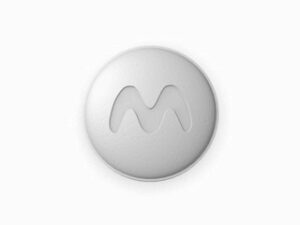
| Brand Names in Australia | Minidiab®, Glipizide Sandoz®, Glipizide AN® |
| Anatomical Therapeutic Chemical (ATC) Code | A10BB07 |
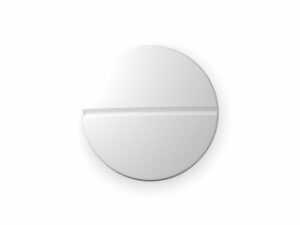
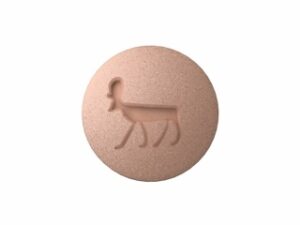
| Available Forms & Strengths | Tablets: 2.5 mg, 5 mg |
| Manufacturers | AstraZeneca Pty Ltd, Sandoz Pty Ltd, Amneal Pharmaceuticals, among others |
| Prescription Status | Prescription Only Medicine (Schedule 4 – S4) |
Mechanism of Action
In simple terms: Glipizide helps lower blood glucose levels by stimulating the pancreas to release more insulin, making it easier for your body to use sugar from your bloodstream.
For specialists: Glipizide is a second-generation sulfonylurea that binds to and inhibits ATP-sensitive potassium channels (KATP) on pancreatic β-cells, leading to depolarisation, increased calcium influx, and subsequent exocytosis of insulin granules.
Pharmacokinetics
- Absorption: Rapid, with peak plasma levels reached within 1–3 hours; bioavailability is not significantly affected by food.
- Metabolism: Extensively hepatic, primarily via the CYP2C9 enzyme.
- Elimination: Primarily via urine (80–90%) as inactive metabolites; less than 10% excreted unchanged.
- Duration of action: Generally 12–24 hours per dose. Short half-life (2–4 hours) but longer-lasting effects on insulin secretion.
Use in Everyday Life and Best Practices
Glipizide is used to help adults with type 2 diabetes mellitus control their blood sugar levels alongside proper diet, exercise, and regular monitoring. It is not recommended for people with type 1 diabetes or diabetic ketoacidosis.
Typical Dosing
- Starting dose: Usually 2.5–5 mg once daily, 30 minutes before breakfast.
- Dose adjustment: Based on blood glucose response, increments of 2.5–5 mg per week.
- Usual maintenance: 2.5–20 mg once daily; maximum 40 mg daily, taken as single or divided dose.
Always take Glipizide exactly as your doctor or pharmacist recommends, and attend regular check-ups to monitor your progress.
Dosing: Morning vs Evening
- Morning doses (most common): Help control after-breakfast and daytime blood sugar rises; lower risk of overnight low blood sugar (hypoglycaemia).
- Evening doses: Rarely used but may be considered in special cases. May increase risk of night-time hypoglycaemia unless closely monitored.
- Tips for regularity: Try to take Glipizide at the same time each day, ideally before breakfast, to help remember and to optimise blood glucose control.
Taking with Food or on an Empty Stomach
- For best results, take Glipizide 30 minutes before your first meal of the day.
- Taken before food, Glipizide works faster and minimises gastrointestinal upset.
- High-fat or high-fibre meals may slightly delay effect, but generally, this is not clinically significant.
- Traditional English or Australian breakfast (porridge, eggs, fruit, tea) is appropriate, but avoid skipping breakfast after your dose to reduce the risk of hypoglycaemia.
Interaction Warnings
| Interaction | Recommendation |
|---|---|
| Alcohol | May increase the risk of low blood sugar or mask its symptoms. Limit alcohol to moderate amounts. |
| Other Diabetes Medicines (e.g. Metformin, SGLT2 inhibitors) | Risk of hypoglycaemia is higher – your doctor may adjust doses. |
| Beta-blockers (e.g. atenolol, metoprolol) | May mask signs of low blood sugar (e.g. rapid heartbeat). |
| Warfarin | May alter the effect of warfarin; close monitoring required. |
| NSAIDs (ibuprofen, diclofenac) | Can enhance hypoglycaemic effect; monitor blood glucose closely. |
| Thiazide diuretics | May reduce Glipizide’s effectiveness. Doctor may need to adjust your medication. |
| Grapefruit juice | No significant interaction with Glipizide, unlike some other medicines. |
Indications
| Indication | Status |
|---|---|
| Type 2 Diabetes Mellitus (T2DM) (adults) | Approved (PBS reimbursed) |
| Other forms of diabetes (e.g. MODY) | Not routinely approved; specialist discretion |
| Secondary diabetes (post-pancreatitis) | Off-label; rarely used |
Dosing According to Clinical Indications
| Patient Group | Starting Dose | Maximum Dose | Special Considerations |
|---|---|---|---|
| Adults (usual) | 2.5–5 mg once daily | 40 mg/day (split into 2 doses if above 15 mg) | Monitor glucose regularly; adjust for renal/hepatic impairment |
| Elderly (>65 yrs) | 2.5 mg once daily | 20 mg/day | Start low, go slow; higher hypoglycaemia risk |
| Children | Not recommended | — | Insufficient safety/efficacy data |
| Renal/liver impairment | Consider lower starting dose | Not beyond 20 mg/day | Increased risk of adverse effects |
Safety Profile and Side Effects
| Frequency | Side Effect | Advice |
|---|---|---|
| Common (>1 in 10) | Low blood sugar (hypoglycaemia), nausea, diarrhoea, headache | Take with regular meals and monitor glucose; if you feel faint, shaky, or sweaty, eat/drink something sugary and inform your doctor |
| Less common (1 in 100) | Rash, sensitivity to sunlight, mild gastrointestinal upset | Wear sunscreen and inform your doctor if rash occurs |
| Rare (<1 in 1000) | Severe allergic reaction, liver problems, blood disorders | Seek urgent medical attention if you develop severe rash, yellowing eyes/skin, or unexplained bruising |
| Warning | Severe hypoglycaemia (coma), especially in frail or elderly | Keep glucagon kit or quick-acting sugar available if at risk |
Guidelines for Proper Use (Pharmacist/Clinic Advice)
- Bring your blood glucose readings to every clinic or pharmacy visit.
- Maintain healthy eating habits typical of Australia — high in fibre, low in added sugars, moderate in saturated fat.
- Inform your healthcare provider about any new medications, including over-the-counter or herbal supplements.
- Avoid skipping meals after a dose; always carry glucose tablets or a sugary snack.
- Be aware of the symptoms of hypoglycaemia: sweating, rapid heartbeat, shaking, confusion, or hunger.
- Alcohol can increase the risk of hypoglycaemia; drink only in moderation, never on an empty stomach.
- Let your doctor know if you experience persistent gastrointestinal symptoms, weight changes, or skin reactions.
- Consider MedicAlert identification if at risk for serious hypoglycaemia.
Alternative Treatment Options
- Metformin: First-line oral therapy, especially for overweight/obese individuals; generally lower risk of hypoglycaemia.
- SGLT2 inhibitors (e.g. empagliflozin, dapagliflozin): Cardio-renal benefits, may cause urinary/genital infections, PBS subsidised for certain patients.
- DPP-4 inhibitors (e.g. sitagliptin): Low hypoglycaemia risk, suitable for many but costlier.
- GLP-1 agonists (injectable, e.g. dulaglutide): Promote weight loss, benefit heart health, PBS eligibility criteria apply.
- Insulin therapy: Non-oral option when oral agents fail; risk of hypoglycaemia but essential for some patients.
- Sulfonylureas (other than Glipizide, e.g. gliclazide): Similar class, sometimes preferred due to slightly different side effect profiles.
Comparison summary: Metformin preferred for most unless intolerant, SGLT2/DPP-4 for cardiac/renal co-morbidities, Glipizide or other sulfonylureas as adjunct or second-line, insulin reserved for advanced or resistant cases.
Legal Status, Registration, and Reimbursement in Australia
- Registered by: Therapeutic Goods Administration (TGA)
- Legal classification: Schedule 4 (S4), prescription only
- PBS (Pharmaceutical Benefits Scheme) listing: Glipizide is subsidised for eligible patients with type 2 diabetes
- Restrictions: Typically prescribed when Metformin is unsuitable, not tolerated, or contraindicated, or as a combination agent.
Latest Research & Clinical Guidance (2022–2025)
- Australian Diabetes Society (ADS) 2023/24 Guidelines: Recommend sulfonylureas only if Metformin is not appropriate, or as add-on therapy if glycaemic targets not met with monotherapy.
- Cardiovascular safety: Glipizide remains acceptable for most, but in patients with heart or high vascular risk, SGLT2 inhibitors and GLP-1 agonists preferred (Buse JB et al, Diabetes Care 2022; Colagiuri S et al., ADS 2024 update).
- Hypoglycaemia prevention: Elderly and patients with chronic kidney disease require lower doses and closer monitoring (Davies MJ et al, Diabetes & Endocrinology 2023).
- Combination therapy: Studies continue to show improved outcomes when Glipizide is used alongside lifestyle management and, when appropriate, other novel anti-diabetic agents.
Availability and Delivery
| Pack Size | Typical Use Duration | Indicative PBS Price (AUD, June 2024) | Delivery times to major cities |
|---|---|---|---|
| 28 tablets (5 mg) | ~1 month | $6.70 (concession), $30.00 (general) | Sydney: 1–2 days, Melbourne: 1–2 days, Brisbane: 2–3 days, Perth: 3–4 days, Adelaide: 2 days |
| 100 tablets (5 mg) | ~3–4 months | $15–$45 (private presc.) | Sydney: 1–2 days, Melbourne: 1–2 days, Brisbane: 2–3 days, Perth: 3–4 days, Adelaide: 2 days |
Check with your pharmacy for up-to-date PBS, concession, and private pricing.
FAQ – Common Patient Questions
- Q: Can I stop Glipizide if my blood sugar normalises?
A: No, you should only change or stop your diabetes medicines following medical advice. Stopping suddenly may cause your blood sugar to rise again. - Q: What do I do if I miss a dose?
A: Take the missed dose as soon as you remember unless your next dose is due soon—then skip the missed dose. Do not double up to make up for a missed dose. - Q: Can I take Glipizide with my current medications?
A: Always tell your doctor and pharmacist about all medicines and supplements you use. Some drugs can interact and require dose changes or additional monitoring. - Q: Will Glipizide cause weight gain?
A: Some people experience mild weight gain, but with healthy eating and regular physical activity, this can be minimised. - Q: Is Glipizide safe in pregnancy or breastfeeding?
A: Glipizide is not generally recommended during pregnancy or breastfeeding. Your doctor can discuss safer alternatives if you are pregnant or planning to become pregnant.
For personalised advice or concerns regarding Glipizide, please consult your community pharmacist or doctor.