Clarithromycin: Patient Information for Australia
Basic Product Information
| International Non-Proprietary Name (INN) | Clarithromycin |
| Australia Brand Names | Biaxin, Klacid, Klacid MR, Klarithro-Mepha, others |
| ATC Code | J01FA09 |
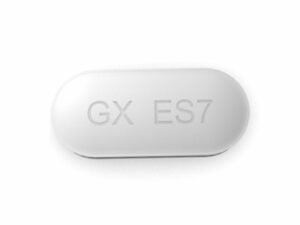
| Available Forms & Strengths | Tablets (250 mg, 500 mg); Modified-release tablets (500 mg); Oral liquid (suspension 125 mg/5 mL & 250 mg/5 mL) |
| Manufacturers (Australia) | Abbott Australasia, Arrow Pharma, Sandoz, generic manufacturers |
| Prescription Status | Prescription Only Medicine (Schedule 4: S4) |
Mechanism of Action
Simple Explanation: Clarithromycin is an antibiotic medicine that stops the growth of certain bacteria causing infections. It works by interfering with the ability of bacteria to make proteins they need to survive and multiply.
For Healthcare Specialists: Clarithromycin is a macrolide antibiotic. It binds to the 50S subunit of the bacterial ribosome, inhibiting protein synthesis by blocking translocation reactions. This action is mainly bacteriostatic, but may be bactericidal at high concentrations or against certain bacteria.
Pharmacokinetics
- Absorption: Clarithromycin is rapidly absorbed from the gut after oral administration. Bioavailability is about 50%, but increases when taken with food.
- Metabolism: Extensively metabolised in the liver (CYP3A4), forming the active 14-hydroxy metabolite.
- Elimination: Mostly excreted by the liver (bile, faeces) and a smaller amount in urine.
- Duration of Action: Half-life is 3–7 hours (standard tablet), up to 8–12 hours (modified-release tablet).
Use in Everyday Life and Best Practices
- Clarithromycin is used to treat bacterial infections such as chest infections (e.g. pneumonia, bronchitis), throat and sinus infections, skin infections, and certain stomach ulcers caused by Helicobacter pylori.
- Typical Doses: Adults are usually prescribed 250–500 mg every 12 hours. Modified-release tablets are taken once daily.
- Always take the full prescribed course, even if you feel better before finishing. Stopping early can result in the infection returning or bacteria developing resistance.
- Do not use for viral infections (e.g. cold, flu).
- Keep out of reach of children. Store below 25°C, away from moisture and sunlight.
- Tablets may be taken with or without food, but modified-release forms should be taken with food for optimal absorption.
Dosing: Morning vs Evening (Tips on Regularity)
- For twice-daily dosing: Aim for every 12 hours, e.g. 8am and 8pm. Choose convenient, routine times that fit your schedule.
- For once-daily modified-release: Take at the same time each day, preferably with your main meal.
- Consistency helps maintain a steady medicine level in your body and improves effectiveness.
- If a dose is missed, take it as soon as possible unless it is nearly time for the next dose; do not double up.
Taking with Food or on an Empty Stomach
- Standard tablets and liquid may be taken with or without food. Food can reduce gastric upset.
- Modified-release tablets must be taken with food for proper absorption.
- No special dietary restrictions are needed for most people. If you have allergies, discuss with your pharmacist.
- English Dietary Habits: Taking with breakfast, lunch, or dinner is ideal and fits into standard meal patterns.
Interaction Warnings
| Interaction | Advice |
| Warfarin and blood thinners | Clarithromycin may increase the effect, raising bleeding risk. Monitor INR/blood tests closely. |
| Statins (e.g. simvastatin, atorvastatin) | May increase statin levels and muscle side effects. Avoid combining if possible. |
| Other antibiotics (macrolides, quinolones) | Increases risk of heart rhythm problems. Consult your doctor. |
| Antiepileptics (carbamazepine, phenytoin) | May increase medication levels; monitor for side effects. |
| St John's Wort and herbal remedies | May interact with clarithromycin or reduce effect. |
| Alcohol | Safe in moderation, but alcohol may worsen side effects like upset stomach. |
| Grapefruit juice | Avoid, as it may increase risk of side effects; not commonly part of English diets. |
Indications
| Indication | On-label / Off-label |
| Respiratory tract infections (bronchitis, pneumonia, sinusitis) | On-label |
| Skin and soft tissue infections | On-label |
| Helicobacter pylori eradication (combined with other medicines) | On-label |
| Prevention/treatment of Mycobacterium avium complex infections | On-label |
| Off-label uses (e.g. odontogenic infections, pertussis) | Off-label (specialist guidance required) |
Dosing According to Clinical Indications
| Indication | Adults | Paediatrics (Children) | Elderly |
| Respiratory, skin, soft tissue infection | 250–500 mg twice daily for 7–14 days | 7.5 mg/kg twice daily (max 500 mg per dose), for 7–14 days | Same as adults; monitor kidney function |
| H. pylori eradication | 500 mg twice daily, usually for 7–14 days (in combination therapy) | 7.5 mg/kg twice daily (max 500 mg per dose), part of combination therapy | Same as adults; monitor kidney function |
| Mycobacterial infections | 500 mg twice daily (may be higher for some regimens) | 7.5–15 mg/kg twice daily | Same as adults |
Always follow your doctor's prescription. Dose adjustments may be needed in liver or severe kidney problems.
Safety Profile and Side Effects
| Side Effect | Frequency | Precautions/Comments |
| Upset stomach, diarrhoea, nausea, vomiting | Common | Take with food if needed; stay hydrated. |
| Taste changes (metallic taste) | Common | Usually mild and temporary. |
| Headache | Common | See pharmacist if bothersome. |
| Liver problems (yellow skin/eyes, dark urine, pale stools) | Rare | Stop medicine, contact doctor urgently. |
| Heart rhythm changes (QT prolongation) | Rare | Higher risk with certain medicines/conditions. Tell your doctor if you have heart issues. |
| Severe allergic reaction (rash, swelling, difficulty breathing) | Very rare | Seek emergency help immediately. |
| Antibiotic-associated diarrhoea (including C. difficile infection) | Rare | Contact your doctor if severe or persistent diarrhoea occurs. |
| Hearing changes | Very rare | Usually reversible. |
Guidelines for Proper Use (Pharmacist/Clinic Advice)
- Always finish the prescribed course, even if you start to feel better.
- Take the medicine at the same times each day to maintain steady levels.
- Keep hydrated and eat normally unless otherwise advised.
- If vomiting within 1 hour of dose, contact your pharmacist or clinic for advice.
- Do not share your antibiotics or use leftover medicine for other illnesses.
- For children: use the supplied oral syringe or measuring cup for accurate dosing.
- If you experience severe side effects (e.g. allergies, severe diarrhoea), stop taking clarithromycin and seek immediate medical help.
- Inform your doctor or pharmacist of any other medicines or health conditions before starting clarithromycin, especially liver or kidney disease, heart rhythm disorders, or if pregnant or breastfeeding.
- Return unused or expired medicine to your pharmacy for safe disposal (as per Australian regulations).
Alternative Treatment Options
- Amoxicillin: Often preferred for certain respiratory or dental infections. Generally well tolerated but unsuitable in penicillin allergy.
- Azithromycin: Similar to clarithromycin but with a different dosing schedule (once daily, shorter course). Useful alternative for some patients.
- Doxycycline: Effective for chest and skin infections but not suitable for children under 8 or pregnant women.
- All the above medicines are listed on the Pharmaceutical Benefits Scheme (PBS) and subsidised for eligible indications in Australia with a valid prescription.
- Choice depends on infection type, allergies, and patient factors—always guided by your doctor.
Legal, Registration, and Reimbursement Status in Australia
- Approved/Australian Register of Therapeutic Goods (ARTG): Listed on the ARTG for multiple indications.
- Prescription Requirements: Schedule 4 (S4) prescription only; not available over the counter.
- Reimbursement: Available on the Pharmaceutical Benefits Scheme (PBS) under authority and streamlined listings for approved indications.
- Regulatory Body: Therapeutic Goods Administration (TGA).
Latest Research and Clinical Guidance (2022–2025)
- Australian guidelines continue to recommend clarithromycin as part of triple therapy for H. pylori eradication, often in combination with amoxicillin and a proton pump inhibitor (e.g. omeprazole) (Therapeutic Guidelines, Antibiotic, v16, 2023).
- Recent studies highlight the importance of establishing local resistance patterns, as resistance to macrolides is rising in some regions (Australian Commission on Safety and Quality in Health Care, 2024).
- Not recommended as first-line for most non-severe respiratory infections due to resistance, unless patient has a penicillin allergy.
- Off-label uses should only be considered with specialist input.
Availability and Delivery
| Pack Size | Typical Contains | Indicative Price (PBS concessional/private) | Delivery Times (to major cities) |
| 10 tablets x 500 mg | 1 standard course | $6.70 (concession) / $20–30 (private) | Same day (Sydney, Melbourne, Brisbane); 1–2 business days other capitals |
| 14 tablets x 500 mg | Extended course | $6.70 (concession) / $28–$38 (private) | Same day or next day; regional/rural areas 2–3 business days |
| 100 mL oral suspension | Child's course or swallowing difficulty | $6.70 (concession) / $22–$30 (private) | Same day collection/service in major cities |
Frequently Asked Questions (FAQ)
- Can I drink alcohol while taking clarithromycin?
Moderate alcohol is unlikely to affect clarithromycin, but drinking may increase the risk of side effects such as stomach upset. It's best to limit alcohol until your treatment is complete. - What should I do if I miss a dose?
Take the missed dose as soon as you remember unless it is nearly time for your next dose. Do not take two doses at once. Continue with your usual schedule. - Can clarithromycin be used for a cold or flu?
No. Clarithromycin only treats bacterial infections and will not help with viral illnesses like colds or flu. Using antibiotics unnecessarily can promote resistance. - Does clarithromycin affect contraception?
No, clarithromycin does not reduce the effectiveness of the combined oral contraceptive pill. However, vomiting or severe diarrhoea may do so; use extra protection if this occurs. - Should I stop taking clarithromycin if I feel better?
No. Always complete the full course as prescribed, to help ensure your infection is properly treated and prevent resistant bacteria from developing.