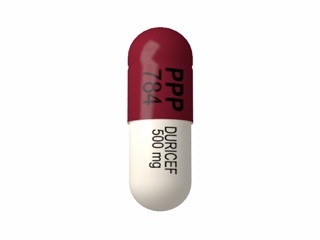
Duricef (Cefadroxil) – Patient Information for Australia
Basic Product Information
| International Nonproprietary Name (INN) | Cefadroxil |
|---|---|
| Australia Brand Names | Duricef, Cefadroxil Sandoz, Cefadroxil Apotex |
| ATC Code | J01DB05 |
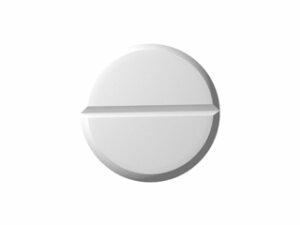
| Available Forms & Strengths | Capsules: 500 mg Tablets: 1 g Powder for oral suspension: 125 mg/5 mL, 250 mg/5 mL, 500 mg/5 mL |
| Manufacturers | Bristol-Myers Squibb, Sandoz, Apotex, Alphapharm |
| Prescription Status in AU | Prescription Only Medicine (Schedule 4/S4) |
How Does Duricef (Cefadroxil) Work?
Cefadroxil is a first-generation cephalosporin antibiotic. It works by disrupting the formation of bacterial cell walls, which ultimately kills bacteria and helps clear up infections. For patients, this means it specifically targets bacterial infections without affecting viruses such as the common cold or flu.
For Specialists:
Cefadroxil acts by binding to penicillin-binding proteins (PBPs), inhibiting the final stage of peptidoglycan synthesis in bacterial cell walls. This results in bactericidal activity, primarily against gram-positive cocci and some gram-negative organisms.
Pharmacokinetics
- Absorption: Cefadroxil is well absorbed from the gastrointestinal tract, with bioavailability over 90%. Peak blood levels are observed about 1.5–2 hours after oral administration.
- Metabolism: Minimal hepatic metabolism.
- Elimination: Primarily excreted unchanged in the urine, with high urinary concentrations within 6–8 hours.
- Duration of Action: Typically requires dosing every 12 or 24 hours, according to clinical indication and severity.
Use in Everyday Life and Best Practices (AU Context)
- Common Uses: Duricef is most frequently prescribed for bacterial infections such as:
- Urinary tract infections (UTIs)
- Tonsillitis and pharyngitis (throat infections)
- Skin and soft tissue infections
- Respiratory tract infections (excluding pneumonia)
- Typical Adult Dose: 500 mg to 1 g once or twice daily. Duration of the course may vary: usually 5–10 days depending on the type of infection and your doctor's advice.
- How To Take: Swallow tablets or capsules whole with a full glass of water. If taking the oral suspension, shake the bottle well and measure the dose carefully using a dosing spoon or syringe.
- Australia-Specific Advice: The medicine is suitable for home use with regular pharmacy dispensing; keep the suspension refrigerated and discard after 14 days.
Dosing in the Morning vs Evening
- Morning: May suit people with regular morning routines and helps avoid forgetting doses during the day.
- Evening: Can be taken before bedtime, but best to establish a consistent routine.
- Best Practice: Take doses at the same times each day. If prescribed twice daily, aim for 12-hour intervals (e.g., 8am and 8pm) for the most even antibiotic coverage.
Taking With Food or on an Empty Stomach
- With Food: Taking Duricef with food may help reduce mild stomach upset but does not significantly affect absorption or effectiveness.
- On Empty Stomach: Also acceptable; take with or without meals according to personal comfort.
- Australian Diet Context: There are no special restrictions regarding common foods or beverages in Australia—take with a light meal or snack if you prefer.
Interaction Warnings
| Substance or Drug | Interaction | Advice |
|---|---|---|
| Antacids | May slightly reduce absorption | Avoid taking antacids within 1–2 hours of Duricef |
| Probenecid | Can increase Duricef blood levels | Inform your GP or pharmacist if you use probenecid |
| Oral Contraceptives | Antibiotics may reduce effectiveness (rare) | Use extra contraception while taking Duricef |
| Alcohol | No direct interaction, but alcohol may worsen side effects like nausea | Best to limit or avoid alcohol during treatment |
| Warfarin or blood thinners | May increase risk of bleeding | Monitor closely; inform your doctor |
Indications
| Indication | Status | Notes |
|---|---|---|
| Pharyngitis/Tonsillitis | Official (PBS-listed) | Due to susceptible Streptococcus pyogenes |
| Urinary Tract Infection (UTI) | Official (PBS-listed) | Including cystitis in adults and children |
| Skin & Soft Tissue Infections | Official | Cellulitis, infected wounds |
| Other infections (off-label) | Off-label | At doctor’s discretion—e.g., some dental/oral infections |
Use of Duricef is guided by current infection control guidelines in Australia and is generally reserved for cases where susceptible bacteria are present.
Dosing According to Clinical Indications
| Population | Indication | Usual Dose | Duration |
|---|---|---|---|
| Adults | Pharyngitis/Tonsillitis | 1 g once daily or 500 mg twice daily | 10 days |
| Adults | UTI | 1–2 g daily in one or two divided doses | 7–14 days |
| Children | Pharyngitis, Skin Infections | 30 mg/kg/day in 1 or 2 doses (max 1 g/day) | 7–10 days |
| Elderly | All indications | Same as adults, but dose adjust for renal impairment | As per indication |
| Renal Impairment | All indications | Lower the dose/frequency (doctor to advise) | As per indication |
Safety Profile & Side Effects
The majority of patients tolerate Duricef well, but as with any medication, some may experience side effects.
| Frequency | Possible Side Effects |
|---|---|
| Common (>1%) |
|
| Occasional (0.1–1%) |
|
| Rare (<0.1%) |
|
Guidelines for Proper Use (Pharmacist/Clinic Advice)
- Always finish the entire course, even if you feel better. Incomplete courses may cause infection relapse or antibiotic resistance.
- If you miss a dose, take it as soon as you remember unless it is nearly time for your next dose. Do not double up.
- Store capsules and tablets below 25°C; keep oral suspension in the fridge and shake well before each use.
- Inform your GP and pharmacist about any allergies, especially to penicillins or other cephalosporins.
- Seek urgent care if you develop symptoms of a serious allergic reaction (rash, swelling, breathing difficulty).
Alternative Treatment Options
- Amoxicillin: Commonly used; effective for many similar infections but unsuitable if allergic to penicillins.
- Cephalexin: Another first-generation cephalosporin, with a similar action and often interchangeable with cefadroxil.
- Trimethoprim: For UTIs; not suitable for everyone, especially those with certain blood disorders.
- Nitrofurantoin: For uncomplicated UTIs in adults (not effective against all infection types).
- Macrolides (e.g., clarithromycin): For those allergic to penicillins/cephalosporins; more side effects and cost.
All alternatives are subject to the Australian Pharmaceutical Benefits Scheme (PBS) for eligible indications and patients.
Legal, Registration, and Reimbursement Status in Australia
- Registered by: The Therapeutic Goods Administration (TGA)
- Legal Status: S4 – Prescription only
- PBS Status: Listed for key indications (e.g., streptococcal pharyngitis, UTIs)
- Reimbursement: Cost may be subsidised on the PBS for eligible patients and indications.
Latest Research & Clinical Guidance (2022–2025)
According to national guidelines, first-generation cephalosporins like cefadroxil remain first-line for non-severe skin and soft tissue infections and some streptococcal throat infections (eTG complete, 2023). Recent reviews published in Australian Prescriber and the TGA database confirm its tolerability and broad coverage. Emerging data (2022–2024) suggest minimal resistance in the Australian community to cefadroxil when used appropriately. Always refer to current guidelines for up-to-date advice.
Availability and Delivery in Australia
| Form/Strength | Pack Size | Indicative PBS Price* |
|---|---|---|
| Capsules 500 mg | 20, 100 | $16–$55 (PBS concessional and general patient co-payment) |
| Tablets 1 g | 10, 20 | $11–$28 |
| Oral suspension 250 mg/5 mL | 100 mL, 150 mL (powder to reconstitute) | $17–$25 |
*Prices may vary by pharmacy and patient eligibility. The above table reflects April 2024 PBS data.
| Major City | Average Delivery via Online Pharmacy |
|---|---|
| Sydney, Melbourne, Brisbane | 1–2 business days |
| Perth, Adelaide | 2–4 business days |
| Regional/Rural | 3–6 business days |
FAQ – Frequently Asked Questions
- Do I need to take Duricef at a set time every day?
Yes, try to take your dose at the same time(s) each day. This helps keep a steady level of the medicine in your body and improves effectiveness. - Can I drink alcohol while on Duricef?
While there’s no direct interaction, it’s recommended to limit or avoid alcohol as it can worsen side effects like nausea or dizziness. - What should I do if I miss a dose?
Take the missed dose as soon as you remember. If it’s almost time for the next dose, skip the missed dose—do not double up. - Is Duricef safe for children?
Yes, Duricef can be used in children and dosed according to weight. Your doctor or pharmacist will provide exact dosing and instructions. - How long should I continue taking Duricef?
Always complete the full course prescribed, even if you start to feel better, to ensure the infection is fully cleared.