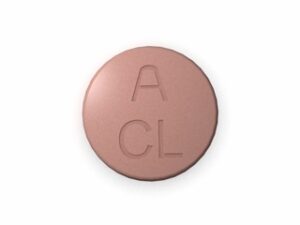

Avapro (Irbesartan) – Patient-Friendly Information for Australian Patients
Basic Product Information
| International Non-proprietary Name (INN): | Irbesartan |
| Australian Brand Names: | Avapro, Karvea, Irbetan (and generics) |
| ATC Code: | C09CA04 |
| Approved Forms & Strengths: | Film-coated tablets: 75 mg, 150 mg, 300 mg |
| Common Manufacturers: | Sanofi-Aventis, Apotex, Sandoz, and other generics |
| Prescription Status (Australia): | Prescription Only Medicine (Schedule 4; S4) |
Mechanism of Action
In Simple Terms:
Avapro contains irbesartan, a medicine from a group called ‘angiotensin II receptor antagonists’ (often called ARBs). It helps lower your blood pressure by relaxing and widening your blood vessels. This makes it easier for your heart to pump blood around your body, helping to prevent serious problems like stroke, heart attack, and kidney damage, especially if you have diabetes.
For Specialists:
Irbesartan selectively inhibits the binding of angiotensin II to the AT1 receptor, thus blocking its vasoconstrictive and aldosterone-secreting effects without affecting bradykinin metabolism. There is minimal impact on heart rate or cardiac output.
Pharmacokinetics
- Absorption: Rapid and well absorbed after oral administration. Peak plasma concentrations reached in 1.5–2 hours.
- Bioavailability: Approximately 60–80% in healthy volunteers.
- Metabolism: Mainly by the liver (CYP2C9), with some conversion to inactive metabolites.
- Elimination: Mainly through urine and faeces; elimination half-life is 11–15 hours, allowing once-daily dosing.
- Duration of Action: Sustained over 24 hours with regular dosing.
Use in Everyday Life and Best Practices
Avapro is commonly prescribed in Australia to treat:
- High blood pressure (essential hypertension)
- Protecting the kidneys in type 2 diabetes (diabetic nephropathy)
It may sometimes be used for other heart and kidney-related conditions if your doctor recommends.
- Typical Adult Dose: Usually starts at 150 mg once daily, increased by your doctor if needed (up to 300 mg daily in most cases).
- How to Use: Swallow the tablet whole with a glass of water. Take at roughly the same time each day to help you remember.
- Australian Context: It fits easily into daily routines and is often used alongside other heart or diabetes medicines. You should keep regular appointments to check your blood pressure, blood tests (kidneys, potassium), and have your medicine reviewed by your GP or pharmacist.
Dosing – Morning vs Evening
- When to Take: Irbesartan can be taken in the morning or evening. The most important part is to take it at the same time each day.
- Morning Dose: May suit patients who monitor their blood pressure on waking, or those at risk of low blood pressure overnight. Good for early risers.
- Evening Dose: Some evidence suggests evening dosing may slightly improve overnight blood pressure control and help with cardiovascular protection, though the effect is modest. Your doctor may tailor advice to your personal situation.
- General Tip: Choose a time you'll remember—especially if taking other morning or evening medicines. Consistency is key.
Taking with Food or on an Empty Stomach
- Can be taken with or without food.
- Food does not significantly affect absorption.
- Australian Diet Context: There’s no need to change your usual meals (whether breakfast, lunch, or dinner) when taking Avapro. However, if you have been told to follow a special diet for your heart, blood pressure, or kidneys (e.g., low salt diet), continue as advised by your healthcare professional.
Interaction Warnings
Please tell your doctor or pharmacist about all medicines and supplements you take. Some combinations may increase the risk of side effects or reduce effectiveness.
| Substance/Factor | Interaction | Advice |
|---|---|---|
| Potassium supplements, salt substitutes | Raises risk of high potassium (hyperkalaemia) | Use with caution; monitor blood potassium |
| Other blood pressure medicines (ACE inhibitors, ARBs, aliskiren) | Greater risk of low blood pressure, kidney problems, potassium rise | Only combine with close doctor supervision |
| NSAIDs (ibuprofen, diclofenac, naproxen) | May reduce effect of irbesartan; risk of kidney problems | Limit or avoid unless needed short-term |
| Diuretics (fluid tablets like furosemide) | Can cause low blood pressure, dehydration | Balance fluid intake, report dizziness |
| Aspirin (low dose) | Generally safe, but monitor kidney function in elderly/high dose | Notify doctor about all medicines used |
| Alcohol | May enhance blood pressure lowering and risk of dizziness | Limit intake; avoid driving or dangerous activities if dizzy |
Indications & Off-Label Uses
| Condition | Indication Type | Summary |
|---|---|---|
| Essential hypertension | Official (TGA approved) | First-line for lowering blood pressure in adults |
| Diabetic nephropathy in type 2 diabetes | Official (PBS listed) | Slows progression of kidney damage/proteinuria |
| Heart failure | Off-label (with evidence) | May be used when ACE inhibitors not suitable |
Dosing According to Clinical Indications
| Patient Group / Condition | Initial Dose | Typical Maintenance Dose | Max Daily Dose |
|---|---|---|---|
| Adults – Hypertension | 150 mg once daily | 150–300 mg once daily | 300 mg |
| Adults – Diabetic nephropathy | 150 mg once daily | 300 mg once daily | 300 mg |
| Elderly (frail or on diuretics) | 75 mg once daily | Up to 300 mg if tolerated | 300 mg |
| Children | Not routinely recommended; specialist advice only | — | — |
Safety Profile and Side Effects
Irbesartan is generally well-tolerated. Major side effect risks are uncommon, but all medicines can produce unwanted effects. Contact your doctor if you notice any severe or unusual symptoms.
| Frequency | Side Effect | Advice/Notes |
|---|---|---|
| Common (>1%) | Dizziness, headache, tiredness, low blood pressure, nausea, back pain, raised potassium | Often settle with time; stand slowly to avoid dizziness; report persistent issues |
| Less common | Muscle pain, diarrhoea, cough, indigestion | Report to your doctor |
| Rare | Allergic rash, swelling of lips/face (angioedema), kidney changes | Seek urgent help if symptoms occur |
| Very rare | Severe skin reactions, jaundice | Seek immediate medical advice |
Warnings:
- Not recommended in pregnancy – may harm unborn baby
- Let your doctor know if planning pregnancy
- Inform doctor of kidney, liver, or heart history
- Let your pharmacist or GP review all other medicines and over-the-counter products regularly
Guidelines for Proper Use (Australian Context)
- Always take this medicine exactly as your doctor or pharmacist has told you.
- Continue taking Avapro even if you feel well, unless instructed to stop.
- Have your blood pressure and lab tests (for kidneys, potassium, etc.) checked regularly.
- If you miss a dose, take it as soon as you remember, unless it is nearly time for your next dose. Never double-up.
- Keep medicines out of reach of children.
- Store tablets in a cool, dry place below 25°C.
- If travelling, keep a supply of medicine and check regulations if leaving Australia.
Alternative Treatment Options
- ACE inhibitors (e.g., perindopril, ramipril, enalapril):
Effective for blood pressure and kidney protection; can cause dry cough or angioedema in some patients. Subsidised by PBS. - Other ARBs (e.g., losartan, candesartan, telmisartan, valsartan):
Similar actions and side effect profiles. Choice may depend on tolerability, dosing convenience, or price. Subsidised by PBS. - Calcium channel blockers (e.g., amlodipine):
Good for blood pressure; swelling of ankles is common. Often combined with ARBs or ACE inhibitors. - Thiazide diuretics (e.g., hydrochlorothiazide):
Helps lower blood pressure; increases urine output; may affect electrolytes.
Comparative overview: ARBs, including Avapro, are often preferred over ACE inhibitors if patients have intolerable side effects (such as dry cough), with similar effectiveness and kidney/heart protection benefits.
Legal, Registration, and Reimbursement Status in Australia
- Registered by the Therapeutic Goods Administration (TGA, Department of Health, Canberra)
- Prescription only (Schedule 4 under the Standard for the Uniform Scheduling of Medicines and Poisons, SUSMP)
- Subsidised by the Pharmaceutical Benefits Scheme (PBS) for hypertension and diabetic nephropathy in adults
Latest Research and Clinical Guidance (2022–2025)
- ARBs are considered first-line therapy for hypertension, either alone or in combination, according to the 2023 Australian National Vascular Disease Prevention Alliance guidelines.
- For diabetes with kidney involvement, irbesartan is a preferred option as shown in the 2022 Kidney Health Australia – Caring for Australasians with Renal Disease (CARI) Guidelines. Early treatment slows progression to advanced diabetic kidney disease.
- Recent meta-analyses (Lancet 2023, NEJM 2022) confirm ARBs like irbesartan have cardiovascular protection similar to ACE inhibitors but with lowered cough risk.
- No major safety alerts in recent years in Australia. Ongoing TGA pharmacovigilance supports continued use.
Availability and Delivery
Avapro (and generic irbesartan) is widely available in most pharmacies across Australia.
| Pack Size | Typical Price (PBS General) | Likely Delivery Time (Sydney, Melbourne, Brisbane, Perth) |
|---|---|---|
| 30 tablets (150 mg) | $20–$27 | Same day–next day (city); 2–3 days (regional/remote) |
| 30 tablets (300 mg) | $22–$30 | Same day–next day (city); 2–3 days (regional/remote) |
| 90 tablets (economy packs and generics) | $52–$70 | 2–4 days (state-wide delivery) |
Most pharmacies offer click-and-collect, local delivery, or national postage with tracking.
Frequently Asked Questions (FAQ)
- How long do I need to take Avapro?
Most people will need ongoing treatment to keep their blood pressure controlled and/or to protect their kidneys. Stopping suddenly without medical advice can cause your blood pressure to rise. - Is Avapro safe if I am planning pregnancy or become pregnant?
No. Avapro and other ARBs should not be used if you are pregnant or planning pregnancy. Let your doctor know immediately if you become pregnant, as alternative safe options are available. - Can I drink alcohol while taking Avapro?
Moderate alcohol is generally safe, but alcohol can increase the blood pressure-lowering effects of irbesartan, possibly leading to more dizziness or fainting, especially when starting treatment. Limit alcohol and avoid risky activities if you feel dizzy. - What if I forget to take a dose?
Take your dose as soon as you remember, unless it’s nearly time for the next dose. Do not take two doses together. Set a regular reminder on your phone or use a pill organiser if you forget often. - Can I split or crush the tablets?
Irbesartan tablets should generally be swallowed whole. If you have trouble swallowing, ask your pharmacist for advice or if other forms are available.
Still have questions?
Always consult your local pharmacist or doctor for personal advice. This information does not replace professional medical counselling. For more details, consult the Consumer Medicine Information (CMI) leaflet or speak to your pharmacist.
Reviewed and locally adapted for Australia, 2024.