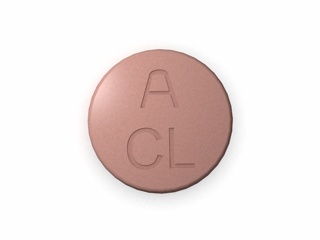
Atacand (Candesartan) – Patient-Friendly Medication Guide for Australia
Basic Product Information
| International Non-proprietary Name (INN) | Candesartan cilexetil |
| Available Brand Names in Australia | - Atacand®
- Blopress®
- Generic candesartan (various manufacturers)
|
| ATC Code | C09CA06 |
| Available Forms & Strengths | Oral tablets: 4 mg, 8 mg, 16 mg, 32 mg |
| Australian Manufacturers/Distributors | AstraZeneca Pty Ltd, Apotex Pty Ltd, Sandoz Pty Ltd, among others |
| Legal Classification | Prescription only (Schedule 4, S4) medicine in Australia |
Mechanism of Action
- For Patients: Candesartan belongs to a group of medicines known as angiotensin II receptor blockers (ARBs). It helps to relax and widen your blood vessels, making it easier for your heart to pump blood, and helps to lower blood pressure.
- For Healthcare Specialists: Candesartan is a selective AT1 receptor antagonist. It blocks the effects of angiotensin II on vascular smooth muscle and the adrenal gland, reducing vasoconstriction and aldosterone production, thereby lowering blood pressure and reducing afterload.
Pharmacokinetics
- Absorption: Candesartan cilexetil is a prodrug, rapidly converted to active candesartan during absorption in the GI tract. Absolute bioavailability is approximately 15%. Peak plasma concentration is reached 3–4 hours post-dose.
- Metabolism: Minimal hepatic metabolism; mostly excreted unchanged.
- Elimination: Elimination half-life is about 9 hours. About 60% is excreted in urine and 40% in faeces (mainly as unchanged drug).
- Duration of Action: Maintains a steady reduction of blood pressure over 24 hours with once-daily dosing.
Use in Everyday Life and Best Practices
- Typical Doses: Most adults take 8–16 mg once daily. Doses are sometimes increased to 32 mg daily according to individual blood pressure and medical conditions.
- How to Use: Swallow tablets whole with a glass of water, at the same time each day. Do not crush or chew.
- Context for Australia: Atacand is widely prescribed for long-term management of hypertension and heart failure. It can be taken alongside lifestyle changes, such as a heart-healthy diet (emphasising fresh fruits, vegetables, low salt intake) and regular exercise.
Dosing: Morning vs Evening – What’s Best?
- Morning Dosing: Most patients prefer taking Atacand in the morning to establish a routine. Blood pressure-lowering effects last 24 hours, and it fits well with daily habits.
- Evening Dosing: Suitable for those who experience side effects like dizziness during the day, or per clinical guidance for certain patients. Some evidence suggests evening dosing may improve blood pressure control overnight.
- Tips: Consistency is the most important. Choose a time of day that best suits your lifestyle and stick to it.
Taking with Food or an Empty Stomach
- Candesartan absorption is not significantly affected by food. You may take Atacand with or without meals.
- For patients following Australian dietary patterns, typical meal choices (e.g. breakfast cereals, toast, sandwiches) do not impact effectiveness.
- If you have a sensitive stomach, taking the tablet with food may help prevent mild nausea.
Interaction Warnings
| Substance/Group | Risk/Advice |
| Potassium supplements/salt substitutes | May increase blood potassium – avoid unless directed by your doctor. |
| Non-steroidal anti-inflammatory drugs (NSAIDs) e.g., ibuprofen | May reduce blood pressure-lowering effect and impair kidney function – use sparingly. |
| ACE inhibitors/Aliskiren | Risk of hypotension, kidney injury, or hyperkalaemia – avoid dual use unless supervised. |
| Diuretics (“water tablets”) | May increase risk of low blood pressure, dizziness or electrolyte imbalances. |
| Antidepressants, antipsychotics | Some may increase risk of low blood pressure – inform your prescriber. |
| Alcohol | Can enhance blood pressure-lowering effect – drink responsibly, preferably with food. |
| Grapefruit/grapefruit juice | No significant interaction reported with candesartan. |
Indications
| Official Approved Use | Details |
| Essential Hypertension | First-line or add-on therapy for high blood pressure in adults and children aged 6–18. |
| Chronic Heart Failure | Used if ACE inhibitors are not tolerated, or alongside other drugs (beta-blockers, diuretics, etc). |
| Renal Protection (off-label) | Sometimes used for kidney protection in diabetic nephropathy or proteinuric chronic kidney disease. |
Dosing According to Clinical Indications
| Clinical Situation | Initial Dose | Typical Maintenance Dose | Maximum Dose |
| Adults – Hypertension | 8 mg once daily | 8–16 mg once daily | 32 mg once daily |
| Adults – Heart Failure | 4 mg once daily | 4–32 mg once daily (titrated up) | 32 mg once daily |
| Children (6–18 years) – Hypertension | 4–8 mg once daily (weight-based) | Up to 16 mg once daily (weight-based) | 32 mg once daily (max for ≥50 kg body weight) |
| Elderly (≥65 years) | 4–8 mg once daily | Lower end of the dosing range, titrate gently | Individualised |
| Renal or Hepatic Impairment | 4 mg once daily | Adjust according to response; monitor closely | As clinically appropriate |
Safety Profile and Side Effects
- Common side effects (affect up to 1 in 10 people):
- Dizziness or light-headedness (especially after first dose)
- Headache
- Respiratory infection symptoms (e.g. sore throat, cough)
- Back pain or muscle pain
- Less common/rare side effects:
- Increased potassium in blood (hyperkalaemia)
- Low blood pressure (hypotension)
- Kidney dysfunction
- Allergic reactions (swelling, rash, itching – very rare)
- Abnormal liver tests, jaundice (extremely rare)
- Warnings: Seek immediate medical help if you have swelling of face/lips, severe abdominal pain, difficulty breathing, or severe rash.
Guidelines for Proper Use
- Take Atacand as prescribed – do not alter dose or stop suddenly without medical advice.
- Monitor your blood pressure regularly at home or with your pharmacist/GP, especially after changes in your medication.
- Keep hydrated, but do not overdo high-potassium foods (like bananas, oranges, avocados) unless advised by your clinician.
- Let your doctor know about any other medicines you are taking (including over-the-counter, herbal, and supplements).
- If you forget a dose, take it as soon as possible on the same day. If nearly time for your next dose, skip the missed dose. Do not double up.
- Store in a cool, dry place below 25°C, away from children.
- For Australian travel or shifts, set a daily phone alarm to help maintain consistency.
Alternative Treatment Options (with PBS status)
- Other ARBs (eg. irbesartan, losartan, valsartan) – also PBS reimbursed; similar efficacy, differing side effect profiles and dosing intervals.
- ACE inhibitors (eg. perindopril, ramipril) – first-line for hypertension/heart failure; may cause cough/angioedema in some patients.
- Calcium channel blockers (eg. amlodipine, felodipine) – good for isolated systolic hypertension; may cause swollen ankles.
- Thiazide diuretics (eg. indapamide, hydrochlorothiazide) – effective for many; may increase urination and affect electrolytes.
- Beta-blockers (eg. bisoprolol, metoprolol) – usually used in combination for heart failure or after heart attack.
Selection depends on: Age, associated conditions (e.g., diabetes, kidney disease), side effects, and your doctor’s recommendations.
Legal, Registration, and Reimbursement Status in Australia
- Candesartan is registered with the Therapeutic Goods Administration (TGA), reference: Australian Register of Therapeutic Goods (ARTG).
- Prescription is required; not available over the counter (Schedule 4).
- Covered by the Pharmaceutical Benefits Scheme (PBS): subsidised for approved indications (hypertension, heart failure).
- Prescribed and managed under Australian GP or specialist supervision per current guidelines.
Latest Research and Clinical Guidance (2022–2025)
- Australian Heart Foundation 2023 Guidelines: ARBs, including candesartan, recommended for primary and secondary prevention of cardiovascular events in hypertension and heart failure, with an emphasis on kidney protection in those with diabetes.
- Key trial data (2022–2024): Large-scale meta-analyses (e.g., Lancet 2023) confirm efficacy of candesartan in reducing blood pressure and major cardiovascular events, with a favourable safety profile compared to other ARBs and ACE inhibitors (lower incidence of cough and angioedema).
- No major new safety warnings since 2022; monitoring for kidney function and potassium continues to be standard of care.
References available on request or via your pharmacist/clinician. For detailed evidence statements, see the Heart Foundation of Australia or the latest updates from the NPS MedicineWise. Availability and Delivery
| Popular Pack Sizes (PBS packs) | 30 tablets, 90 tablets |
| Indicative PBS Patient Prices (2024) | $7.30 per script (general); $30-40 private |
| Delivery Times to Major Cities (Metro Areas) | - Sydney: Next working day for online pharmacies or same day local pharmacy click & collect
- Melbourne, Brisbane: 1–2 business days
- Perth, Adelaide, Canberra: 1–3 business days
- Darwin, Hobart and regional/remote areas: 3–7 business days
|
Frequently Asked Questions (FAQ)
- 1. How long does it take for Atacand to work?
Blood pressure usually begins to reduce within 2–4 weeks, with maximum effect at 4–6 weeks. Heart failure benefits may be seen over several weeks. - 2. Can I stop Atacand suddenly once my blood pressure is under control?
No – always consult with your doctor before stopping. Stopping suddenly can lead to rebound high blood pressure or worsening heart failure. - 3. What should I do if I miss a dose?
Take the missed dose as soon as you remember, if still within the same day. Skip if almost time for next dose. Never double dose. - 4. Can I drink alcohol while taking Atacand?
Small amounts are generally safe, but alcohol can increase blood pressure-lowering effects. Drink responsibly and with food. - 5. Is Atacand safe in pregnancy or breastfeeding?
No, ARBs such as Atacand should not be used in pregnancy. Speak to your doctor immediately if you become or plan to become pregnant.
Further information: Ask your pharmacist or health professional, or visit the independent NPS MedicineWise Atacand page. For questions about your scripts, PBS, or pharmacy delivery, contact your local Australian community pharmacy.