
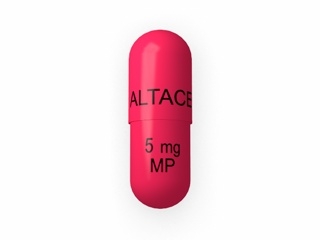
Altace (Ramipril): Patient Information for Australians
Basic Product Information
| International Non-Proprietary Name (INN): | Ramipril |
|---|---|
| Australian Brand Names: | Altace, Tritace, Ramipril Sandoz, Ramipril Apotex |
| ATC Code: | C09AA05 |
| Available Forms & Strengths: | Capsules and tablets, 1.25 mg, 2.5 mg, 5 mg, 10 mg |
| Manufacturers: | Sanofi-Aventis, Apotex, Sandoz, Mylan, Generic brands |
| Prescription Status: | Prescription only (Schedule 4, S4) |
Mechanism of Action
For Patients: Ramipril belongs to a class of medicines known as "ACE inhibitors." It helps lower blood pressure by relaxing blood vessels, making it easier for your heart to pump blood around your body.
For Healthcare Professionals: Ramipril inhibits the angiotensin-converting enzyme (ACE), preventing the conversion of angiotensin I to angiotensin II, a potent vasoconstrictor. This leads to reduced arteriolar resistance, increased cardiac output, and decreased secretion of aldosterone, helping manage hypertension and heart failure.
Pharmacokinetics
- Absorption: Rapidly absorbed from the gastrointestinal tract; peak plasma levels reached within 1 hour for ramipril, 2–4 hours for active metabolite (ramiprilat).
- Metabolism: Prodrug converted to ramiprilat in the liver, which is the active form.
- Elimination: Excreted via urine (primarily) and faeces.
- Duration of Action: Antihypertensive effect usually lasts for 24 hours, allowing once-daily dosing.
Use in Everyday Life and Best Practices
Ramipril is typically prescribed for:
- High blood pressure (hypertension)
- Heart failure
- Protecting against heart attack, stroke, and kidney problems (especially in diabetics)
Typical Doses: Ramipril is usually started at a low dose (1.25 mg–2.5 mg daily) and increased gradually as needed. The maintenance dose is typically 2.5–10 mg once daily, according to your doctor's advice and your response to treatment. Never adjust your dose without medical supervision. Some patients require twice-daily dosing.
Dosing in the Morning vs Evening
- Ramipril can be taken in the morning or evening. The time of day does not greatly impact effectiveness but consistency is key.
- Some people prefer to take it in the morning to help establish a daily routine and reduce the chance of forgetting a dose.
- In patients who experience lightheadedness or dizziness, taking ramipril at night may minimise daytime symptoms.
- Tip: Choose a time that works best for your daily pattern—this helps with adherence and optimises benefits.
Taking With Food or On an Empty Stomach
Ramipril can be taken with or without food. Food does not significantly alter the absorption or effect of the medicine. For Australian patients, ramipril may be taken with a typical meal (including breakfast, lunch, or dinner). If you experience stomach upset, taking it with food may help.
Interaction Warnings
| Interaction | Detail | Advice |
|---|---|---|
| Potassium supplements/potassium-sparing diuretics | Increased risk of high potassium (hyperkalaemia) | Only use under doctor supervision; avoid self-supplementation |
| NSAIDs (e.g., ibuprofen, naproxen) | May reduce antihypertensive effect and affect kidney function | Discuss with your GP before using regularly |
| Alcohol | May increase risk of low blood pressure | Limit intake, especially when starting treatment |
| Diuretics ("water tablets") | May cause excessive blood pressure drop, dehydration | May require dose adjustment—discuss with your healthcare provider |
| Other blood pressure medicines | Increased risk of hypotension | Monitor closely with your doctor |
| Lithium | Ramipril may increase lithium levels, causing toxicity | Require regular blood tests if used together |
Indications
| Indication | Status | Notes |
|---|---|---|
| Hypertension (high blood pressure) | Official (TGA approved) | First-line or adjunctive therapy |
| Congestive heart failure | Official | Including after acute myocardial infarction |
| Prevention of cardiovascular events | Official | In high-risk patients (e.g., diabetes, previous stroke) |
| Diabetic nephropathy | Off-label | Benefit supported by clinical evidence |
| Proteinuria reduction | Off-label | As recommended by specialist nephrologists |
Dosing According to Clinical Indications
| Indication / Group | Starting Dose | Maintenance Dose | Maximum Dose | Notes |
|---|---|---|---|---|
| Adult Hypertension | 2.5 mg once daily | 2.5–10 mg once daily | 10 mg daily | May split into 2 doses if needed |
| Heart Failure After MI | 1.25–2.5 mg once daily | 5 mg once/twice daily | 10 mg daily | Start low, titrate as tolerated |
| Elderly Patients | 1.25 mg once daily | Lowest effective dose | 5–10 mg daily | Monitor kidney function regularly |
| Pediatric Use | Not routinely recommended | N/A | N/A | Specialist advice required |
Safety Profile / Side Effects
| Frequency | Side Effects | Further Action |
|---|---|---|
| Common |
| Usually mild, consult doctor if troublesome |
| Uncommon |
| Inform your pharmacist or GP |
| Rare but Serious |
| Stop medication and seek emergency medical care |
Guidelines for Proper Use
- Take ramipril exactly as prescribed by your doctor. Do not stop abruptly without advice.
- If you miss a dose, take it as soon as you remember, unless it is almost time for your next dose. Do not double up to compensate.
- Blood tests for kidney function and electrolytes may be performed regularly, especially in older adults or those with kidney disease.
- Report any unexplained swelling, difficulty breathing, or signs of infection to your healthcare provider promptly.
- Store at room temperature (below 25°C), away from heat and moisture.
- For any side effects or concerns, consult your pharmacy or call the Healthdirect helpline (1800 022 222).
Alternative Treatment Options
- Perindopril (Coversyl): Another commonly prescribed ACE inhibitor. Comparable in effect, slightly different dosing. Also PBS-reimbursed.
- Enalapril (Renitec): Similar safety and efficacy. Available as generics; preferred in some situations (e.g., heart failure).
- Lisinopril: An ACE inhibitor, sometimes preferred in diabetics for kidney protection. On PBS.
- Angiotensin II receptor blockers (ARBs): Such as irbesartan, candesartan, or losartan. Used if intolerant to ACE inhibitors due to cough. Also available on PBS.
- Thiazide diuretics: Such as hydrochlorothiazide. Often used in combination for severe hypertension.
Comparative Overview: All these medicines lower blood pressure and reduce cardiovascular risk. ACE inhibitors (such as ramipril) are first-line in Australia for many patients, but ARBs are often substituted if ACE inhibitors are not tolerated. Perindopril and enalapril are common alternatives and are widely available and reimbursed.
Legal, Registration, and Reimbursement Status in Australia
- Registered by the Therapeutic Goods Administration (TGA), Department of Health and Aged Care.
- Prescription only medicine (Schedule 4, S4).
- Reimbursed via the Pharmaceutical Benefits Scheme (PBS) for all approved indications.
- Subsidised cost for eligible patients with a valid prescription; concessional and general patient prices apply as per current PBS listings.
Latest Research and Clinical Guidance (2022–2025)
- The latest National Heart Foundation of Australia and Hypertension Australia guidelines (2023) confirm ACE inhibitors—including ramipril—as first-line therapy for hypertension, heart failure, and cardiovascular event prevention.
- Recent Australian studies and international trials (e.g., ONTARGET, HOPE) continue to support ramipril’s efficacy in reducing major cardiovascular risk and protecting kidney function in at-risk adults.
- No significant safety issues have emerged in new data up to early 2025. Reports of rare side effects (cough, angioedema) are consistent with previous decades of use (Heart Foundation, 2024).
- There is ongoing research into precision dosing and real-world effectiveness in the older adult population. (e.g., Hypertension Australia Bulletins, 2023)
Availability and Delivery
| Pack Size | Typical Price (PBS subsidised) | Delivery to Sydney | Delivery to Melbourne | Delivery to Perth | Delivery to Brisbane |
|---|---|---|---|---|---|
| 30 tablets/capsules | $7.30 (concessional), $30.00 (general) | Next business day (metro) | Next business day (metro) | 2–3 business days | 1–2 business days |
| 90 tablets/capsules | $21.90 (concessional), $90.00 (general) | Next business day (metro) | Next business day (metro) | 2–3 business days | 1–2 business days |
Frequently Asked Questions (FAQ)
- Is ramipril safe for long-term use?
Yes. When prescribed and monitored correctly, ramipril is safe and effective for long-term management of high blood pressure and heart failure. Regular check-ups are important to monitor blood pressure, kidney function, and electrolytes. - What should I do if I miss a dose?
Take it as soon as you remember unless it is almost time for your next dose. Do not double up. If in doubt, contact your pharmacist or GP. - Can I still drink alcohol while taking ramipril?
Moderate alcohol consumption is generally safe, but ramipril may enhance alcohol's effect on lowering blood pressure, causing dizziness or fainting. Limit drinking, especially when starting therapy. - Will I have to take ramipril for life?
This depends on your medical condition. Some people require long-term treatment to maintain blood pressure control, while others may reduce or stop therapy if blood pressure stabilises. Do not stop suddenly without medical advice. - Can I take ramipril with other medicines?
Many people take ramipril with other medications. However, interactions are possible (see above interaction table), so always inform your doctor or pharmacist about all medicines and supplements you are taking.
For further information, always refer to your prescribing doctor, speak to a registered pharmacist, or consult official Australian medicine websites such as the TGA or Healthdirect. This page is provided for informational purposes and does not replace professional medical advice.