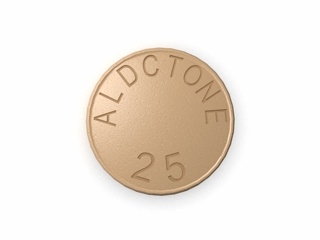
Aldactone (Spironolactone): Comprehensive Patient Information for Australia
Basic Product Information
| International Nonproprietary Name (INN) | Spironolactone |
|---|---|
| Common Australia Brand Names | Aldactone®, Spiractin®, Novaspiron®, Sandoz Spironolactone |
| ATC Code | C03DA01 |
| Forms & Strengths | Tablets: 25 mg, 50 mg, 100 mg |
| Manufacturers/Distributors | Pfizer Australia, Alphapharm, Sandoz, other generic suppliers |
| Prescription Status | Prescription-Only Medicine (Schedule 4 in Australia) |
Mechanism of Action
Simple Explanation: Spironolactone is a “potassium-sparing diuretic.” It helps your body get rid of excess salt and fluid without losing too much potassium. It works on the kidneys to block a hormone called aldosterone, which usually causes your body to keep salt and water.
Specialist Details: Spironolactone directly inhibits aldosterone at mineralocorticoid receptors in the distal nephron, promoting natriuresis and diuresis while conserving potassium. It also has weak anti-androgen and progestogenic effects, influencing its use in conditions like acne, hirsutism, and certain hormonal disorders.
Pharmacokinetics
- Absorption: Spironolactone is well absorbed orally, with increased bioavailability when taken with food.
- Metabolism: Extensively metabolised in the liver to active metabolites, including canrenone.
- Elimination: Mainly through urine (~50%) and faeces. Metabolites are mainly responsible for pharmacological effects.
- Duration of Action: Effects last for 24–48 hours; onset within hours post-dose.
Use in Everyday Life and Best Practices
- Take at the same time daily – preferably morning or early afternoon to avoid night-time urination.
- Typical starting doses:
- High blood pressure/heart failure: 25–50 mg daily
- Oedema/ascites: 100 mg daily, titratable to response
- Acne/hormonal: 25–100 mg daily
- Always swallow tablets with water; do not split unless scored.
- Do not stop abruptly; speak to your GP or pharmacist before any changes.
- For Australia: Avoid self-adjusting the dose due to risk of dehydration in hot weather.
Dosing in the Morning vs Evening
- Morning: Reduces risk of frequent urination or sleep disturbances.
- Evening: Sometimes recommended in split doses or when prescribed specifically for hormonal conditions.
- Advice: If once-daily dosing, morning is preferred in Australia due to lifestyle and climate. If twice daily, aim for morning and mid-afternoon if possible.
Taking with Food or on an Empty Stomach
Food increases the absorption of spironolactone. For maximum benefit and steadier blood levels, it’s best to take it consistently with or after food, especially a light breakfast or lunch common in the English diet—such as cereal with milk, a sandwich, or salad. Avoid taking with large fatty meals that might delay absorption.
Interaction Warnings
| Interaction | Advice |
|---|---|
| Potassium supplements/salt substitutes | Avoid unless advised, risk of high potassium (hyperkalaemia) |
| ACE inhibitors/ARBs (e.g., ramipril, losartan) | Monitor potassium and kidney function closely |
| NSAIDs (e.g., ibuprofen, diclofenac) | May increase risk of kidney problems |
| Alcohol | May enhance dizziness or lightheadedness; moderate intake advised |
| Other diuretics | Risk of dehydration or electrolyte imbalance |
| Digoxin, lithium | Levels may be affected; monitor closely |
| Grapefruit | No significant effect, but consistent diet preferred |
Indications
| Condition | Official Indication | Off-label Use (with specialist approval) |
|---|---|---|
| Oedema (Heart, Liver, Kidney) | ✔ | |
| Hypertension | ✔ | |
| Heart Failure (NYHA II–IV) | ✔ | |
| Primary hyperaldosteronism | ✔ | |
| Acne, Hirsutism, PCOS, Hair loss in women | ✔ | |
| Chronic kidney disease – proteinuria reduction | ✔ |
Dosing According to Indication
| Indication | Adults | Paediatric (off-label) | Elderly |
|---|---|---|---|
| Oedema (adult) | 100 mg/day (25–200 mg as needed) | 1–3 mg/kg, adjust by paediatrician | Start at lowest dose, titrate cautiously |
| Heart failure | 25–50 mg/day | Off-label, monitor closely | Start lower, monitor renal and potassium |
| Hypertension | 25–100 mg/day (add-on therapy) | Off-label, specialist only | Start low, monitor side effects |
| Hormonal acne, PCOS | 25–100 mg/day | Not typically used | Take extra care with side effects |
| Hyperaldosteronism | 100–400 mg/day (in divided doses) | Specialist only | Specialist dosing, titrate carefully |
Safety Profile & Side Effects
- Common: Increased urination, dizziness, headache, mild breast tenderness or enlargement (mainly in men), irregular menstrual periods, stomach upset.
- Occasional: Raised potassium, skin rash, fatigue, menstrual disturbance.
- Rare but Serious: Severe high potassium (muscle weakness, palpitations), severe skin reactions, confusion (elderly), liver function changes, allergic reaction.
- Warnings: Avoid in severe kidney disorder, Addison’s disease or high potassium levels. Extra caution for elderly, those on multiple medications, or with chronic illnesses.
| Side Effect | Frequency | Advice |
|---|---|---|
| Increased urination | Very common | Usually improves with continued use |
| Headache/drowsiness | Common | If persistent, see GP |
| High potassium (hyperkalaemia) | Rare-Serious | Regular blood tests required |
| Gynecomastia (breast swelling in men) | Occasional | Generally reversible if stopped |
| Rash/allergy | Rare | Seek help if severe or widespread |
Guidelines for Proper Use (Australia-specific)
- Take as prescribed by your GP or pharmacist; follow dose adjustments closely.
- Ensure regular check-ups, especially for blood potassium and kidney function—these are often arranged through your local Australian pathology lab.
- Be careful during heatwaves or if exercising outdoors—risk of dehydration is higher in Australia’s climate.
- If you miss a dose, take it as soon as you remember on the same day; never double up or take two doses at once.
- Contact an Australian Poison Information Centre (13 11 26) immediately for suspected overdose.
- Let your pharmacy or GP know about all other medicines, supplements, or herbal products you use.
Alternative Treatment Options
- Bumetanide, Frusemide (Lasix®): Loop diuretics. More potent for fluid removal, but may cause potassium loss.
- Eplerenone (Inspra®): Similar to spironolactone; more selective for aldosterone receptors, fewer hormonal side effects.
- Hydrochlorothiazide: Thiazide diuretic for blood pressure; less effective in fluid overload states.
- Amiloride: Another potassium-sparing agent, especially for combination therapy.
- No diuretic alternatives are available over the counter in Australia—all require a prescription and are PBS-subsidised for most indications.
Legal, Registration, and Reimbursement Status in Australia
- Registered with the Therapeutic Goods Administration (TGA) as a Schedule 4 Prescription Medicine.
- Listed on the Australian Pharmaceutical Benefits Scheme (PBS) for treatment of oedema, heart failure, hypertension, and some hormonal conditions.
- Patients may receive government subsidy for eligible conditions—speak with your prescriber for more details.
- Not available over the counter; dispensing requires a valid Australian prescription.
Latest Research and Clinical Guidance (2022–2025)
- Heart Failure: Recent Australian and international guidelines reaffirm spironolactone’s benefit in reducing mortality and hospitalisation in chronic heart failure with reduced ejection fraction (HFrEF). [NHFA & Cardiac Society of Australia & New Zealand, 2022]
- Hypertension: Endorsed as add-on therapy in resistant hypertension per 2023 National Institute for Health and Care Excellence (NICE) UK & RACGP Australia guidelines.
- PCOS/Hirsutism: Increasing evidence supports low–moderate dose use in polycystic ovary syndrome for symptom relief, after specialist review. [Endocrine Society of Australia, 2023]
- Safety Monitoring: Ongoing TGA pharmacovigilance includes new recommendations for frequent kidney function and potassium monitoring, particularly in the elderly and in combination with other agents.
Availability and Delivery
Spironolactone is widely available from Australian pharmacies in various generic and branded forms. Pack sizes may differ between brands, with typical packs of 30, 60, or 100 tablets.
| Pack Size | Indicative Price (without PBS)* | Typical Delivery Time |
|---|---|---|
| 30 tablets (25 mg) | $15–20 | Metropolitan cities (Sydney, Melbourne, Brisbane, Perth): 1–2 business days |
| 60 tablets (25 mg) | $25–32 | Regional centres: 2–4 business days |
| 100 tablets (25 mg) | $40–50 | Rural/remote Australia: 3–7 business days (+$5–10 for postage if not PBS) |
*Prices are estimates; PBS-eligibility will significantly reduce out-of-pocket costs for most patients.
FAQ: Common Patient Questions
- Is it safe to use spironolactone long-term?
Yes, for most patients it is safe if regular blood tests are done and you follow your GP’s advice. Long-term use may require dose adjustments and periodic medication reviews. - What should I do if I experience muscle weakness or irregular heartbeat?
Stop spironolactone and contact your doctor or nearest hospital immediately—these could be signs of high potassium levels. - Can I take spironolactone if I am pregnant or breastfeeding?
It is not recommended during pregnancy and should not be used while breastfeeding unless specifically advised by a specialist. - Is it safe to drive or operate machinery while on spironolactone?
If you feel dizzy, drowsy, or faint, avoid driving or using machinery until you feel better and check with your pharmacist or GP. - Can I buy spironolactone over the counter in Australia?
No, it is prescription-only and must be obtained from a pharmacy with a valid doctor’s prescription.
For further advice or to report side effects, consult your GP, pharmacist, or visit the TGA MedSearch website. Remember to always use spironolactone as part of a comprehensive health management plan supervised by your healthcare provider in Australia.