Chlorthalidone: Patient Information and Guide for Australia
Basic Product Information
| International Non-Proprietary Name (INN): | Chlorthalidone |
| Australian Brand Names: | Hygroton®, Chlortalidone Sandoz®, generic equivalents |
| Anatomical Therapeutic Chemical (ATC) code: | C03BA04 |
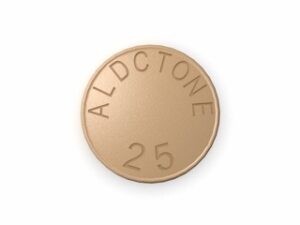
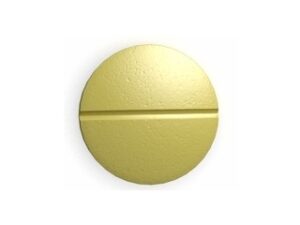
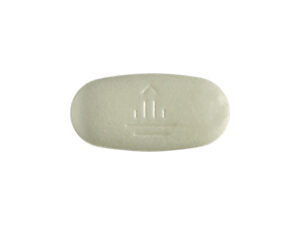
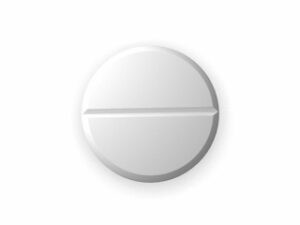
| Available Forms & Strengths: | Tablets: 12.5 mg, 25 mg, 50 mg |
| Manufacturers: | Novartis, Sandoz, Sigma, and various generic manufacturers |
| Prescription Status (Australia): | Prescription Only Medicine (Schedule 4) |
Mechanism of Action
For Patients: Chlorthalidone is a type of water tablet (diuretic) used to remove excess fluid and salt from the body. It helps decrease high blood pressure by making you pass more urine and by relaxing your blood vessels.
For Healthcare Professionals: Chlorthalidone acts mainly on the distal convoluted tubule of the nephron, inhibiting sodium and chloride reabsorption as a thiazide-like diuretic. This leads to increased excretion of sodium, chloride, and water, with a secondary reduction in peripheral vascular resistance and plasma volume.
Pharmacokinetics
- Absorption: Well-absorbed from the gastrointestinal tract (approx. 64% oral bioavailability).
- Onset of Action: 2–6 hours after oral intake.
- Peak Effect: 4–8 hours.
- Metabolism: Minimal hepatic metabolism.
- Half-life: 40–60 hours (prolonged duration of action allows for once-daily dosing).
- Excretion: Mainly via urine (unchanged).
Use in Everyday Life and Best Practices (Australia)
Chlorthalidone is commonly prescribed for:
- High blood pressure (hypertension), sometimes as part of a combination therapy
- Oedema (fluid retention) associated with heart failure, liver cirrhosis, kidney disorders, or certain medications
How to Use: Swallow tablets whole with water, ideally at the same time each day. Your doctor may adjust your dose according to your response and side effects.
Note: Chlorthalidone is best taken regularly for ongoing benefit, even if you feel well.
Dosing in the Morning vs Evening
- Morning Dosing (Recommended): May reduce night-time trips to the toilet (nocturia). Most patients find it easier to develop a routine with morning use.
- Evening Dosing: Can trigger sleep disturbance due to increased urination during the night. Rarely indicated unless specifically advised by your doctor.
- Tips: Set a daily reminder. Take your dose after you wake up and before breakfast to reduce the impact on sleep and optimise effectiveness.
Taking with Food or on an Empty Stomach
- Chlorthalidone can be taken with or without food.
- Taking with food (for example, breakfast) may reduce gastrointestinal upset for sensitive individuals.
- No substantial interference with typical English or Australian dietary patterns (meals with toast, cereal, fruit, eggs, etc).
- If you experience nausea, take the tablet with or after food.
Interaction Warnings
| Interaction | How It May Affect You | Advice |
|---|---|---|
| Alcohol | Can increase likelihood of dizziness or dehydration. | Limit alcohol; take care when standing up. |
| Other Blood Pressure Tablets (ACE inhibitors, ARBs, beta-blockers) | May enhance blood pressure lowering effect. | Monitor blood pressure closely. Adjust dose as advised by your doctor. |
| NSAIDs (e.g. ibuprofen) | May reduce effectiveness of Chlorthalidone, increase risk of kidney problems. | Avoid long-term or high-dose NSAIDs if possible. |
| Diabetes Medicines | Chlorthalidone may raise blood sugar in some people. | Monitor blood sugar more frequently. Consult your doctor. |
| Potassium supplements or potassium-sparing diuretics | May cause high potassium or abnormal heart rhythms. | Do not take additional potassium unless specifically prescribed. |
| Lithium | Chlorthalidone can increase lithium levels and risk of toxicity. | Inform your doctor and monitor lithium levels carefully. |
| Other | Corticosteroids, digoxin, some antiarrhythmics, and certain antibiotics may interact. | Always give your pharmacist or doctor a full list of your medicines. |
Indications
| Indication | Official (TGA) | Off-label/Other |
|---|---|---|
| Essential hypertension (high blood pressure) | ✔ | - |
| Oedema due to heart failure, nephrotic syndrome, or liver cirrhosis | ✔ | - |
| Calcium nephrolithiasis (kidney stones) | - | ✔ |
| Diabetes insipidus | - | ✔ (consult specialist) |
| Prevention of recurrent stroke (with antihypertensives) | - | ✔ (under specialist advice) |
Dosing According to Clinical Indications
| Condition | Typical Adult Dose | Children | Elderly |
|---|---|---|---|
| Hypertension | 12.5–25 mg once daily | Rarely used; starting dose 0.5–1 mg/kg once daily (specialist referral) | Start at lower dose (12.5 mg), monitor closely for side effects |
| Oedema | 25–50 mg once daily, up to 100 mg | Rare; paediatric consult required | Lower starting dose preferred; monitor kidney function/electrolytes |
| Prevention of kidney stones, diabetes insipidus (off-label) | 25–50 mg once daily | Specialist use | Begin with lowest effective dose |
Safety Profile and Side Effects
Like all medicines, Chlorthalidone can cause side effects. Many are mild and temporary, but some may require medical advice.
| Type | Examples | What to Do |
|---|---|---|
| Common | Dizziness (on standing), mild headache, increased urination, muscle cramps, mild tiredness, low potassium/sodium | Inform your doctor if troublesome |
| Uncommon | Rash, gout flare, mild sensitivity to sunlight (photosensitivity), increased blood sugar or cholesterol | Seek medical advice for persistent symptoms |
| Serious/Rare | Severe allergic reaction (rash, swelling, breathing difficulty), extreme tiredness or confusion, irregular heartbeat, yellowing of skin or eyes (jaundice) | Seek immediate medical attention |
- Caution: Patients with kidney or severe liver disease, a history of gout, or taking lithium should inform their doctor before starting.
- Routine blood tests may be required to monitor your kidneys and salt levels.
- Drink water according to your thirst — avoid dehydration.
- Let your healthcare provider know if you become pregnant or plan to become pregnant.
Guidelines for Proper Use (Australia)
- Take your dose at the same time each day, preferably in the morning.
- Do not stop taking Chlorthalidone without first consulting your doctor, even if you feel well.
- If you miss a dose, take it as soon as you remember on the same day. If it is nearly time for your next dose, skip the missed dose—do not double up.
- Limit alcohol and avoid abrupt changes in dietary salt intake (including processed foods and takeaways common in the Australian diet), as this could affect your body's response.
- Inform your healthcare provider of all medications, vitamins, or herbal supplements you are taking.
- Stay hydrated, especially during hot Australian weather or periods of exercise and sweating.
- Report any signs of dehydration (dry mouth, extreme thirst, confusion, fast heartbeat) or electrolyte disturbance (muscle weakness, irregular heartbeats).
Alternative Treatment Options
- Thiazide Diuretics (e.g. Hydrochlorothiazide): Similar action, shorter duration; less evidence for stroke prevention. Sometimes preferred where less potent diuresis is needed.
- Indapamide: Thiazide-like; similar blood pressure benefits, lower risk of some metabolic side effects.
- ACE Inhibitors / ARBs: First-line in some Australian guidelines, often combined with diuretics.
- Calcium Channel Blockers (e.g. amlodipine): Used in cases where diuretics are not tolerated.
- Beta-blockers: Used for certain heart conditions or where there is a secondary indication (not first-line for most high blood pressure in Australia).
Pros of Chlorthalidone: Excellent evidence for blood pressure reduction, long-acting, once-daily dosing, reduction in risk of stroke and heart failure.
Cons: Greater risk of low potassium or sodium compared with some alternatives, not suitable for some patients with kidney impairment.
Legal, Registration, and Reimbursement Status in Australia
- Registered by the Therapeutic Goods Administration (TGA) for use in hypertension and oedema.
- Prescription only (Schedule 4); available from Australian pharmacies with a doctor's prescription.
- Reimbursed by the Pharmaceutical Benefits Scheme (PBS) for registered indications.
- Most public hospital formularies include Chlorthalidone.
- Criteria and subsidies may apply; consult your pharmacist or general practitioner for PBS status.
Latest Research and Clinical Guidance (2022–2025)
- Multiple recent meta-analyses and major guidelines (e.g., Australian National Heart Foundation Hypertension Guideline 2023) support Chlorthalidone as a highly effective agent for blood pressure lowering, especially in older adults (Heart Foundation Australia).
- Recent trials suggest that Chlorthalidone's longer half-life provides more sustained blood pressure control than some other diuretics, possibly translating to better cardiovascular outcomes (PubMed References 2024: NCT02884206, ALLHAT Extension).
- Australian guidelines highlight the importance of titrating to the lowest effective dose and monitoring for electrolyte disturbance, particularly in the elderly.
- Practice reviews underscore the need for regular kidney function checks and periodic review of concurrent medications.
Availability and Delivery in Australia
| Pack Size | Usual PBS/Private Price† | Available Cities / Delivery Times |
|---|---|---|
| 30 tablets (25 mg) | PBS: $6.70 / Private: ~$15–$25 | Sydney, Melbourne, Brisbane, Perth, Adelaide—Standard 24–72 hours in metropolitan areas |
| 100 tablets (25 mg) | PBS: $6.70 (if eligible) / Private: ~$40–$70 | All major cities, regional centres—Ordinary post 2–5 days non-metro |
| Other strengths/forms | Check local pharmacy for pricing and availability | Delivery estimates may vary by area and supplier |
†Prices are indicative as of Q1 2024. PBS pricing subject to concession or safety net status. Check with your pharmacy for up-to-date information.
Frequently Asked Questions (FAQ)
- How quickly does Chlorthalidone lower my blood pressure?
Most people notice some effect within a few days, but it may take 2–4 weeks for full benefit. Keep taking your medicine as prescribed, even if you feel well or see improvement. - Can I drink alcohol while taking Chlorthalidone?
Light to moderate alcohol may be permissible but can intensify dizziness or dehydration. Always moderate your intake and consult your doctor if unsure. - What if I miss a dose?
If it's early in the day, take the missed tablet as soon as you remember. If it's close to the time for your next dose, skip the missed dose. Do not double up. - Is it safe during pregnancy or breastfeeding?
Diuretics are generally avoided during pregnancy or breastfeeding unless recommended by a specialist. Always consult your doctor if you become pregnant or are planning to. - Do I need regular tests during treatment?
Yes. Most people will need occasional blood and kidney tests, especially early on, to monitor electrolytes and kidney function.
Disclaimer: This information is intended as a guide for patients in Australia. It does not replace medical advice. Speak with your GP, pharmacist, or specialist about your individual circumstances before making any decisions regarding your medication.