Spironolactone: Patient Guide for Australia
Basic Product Information
| International Nonproprietary Name (INN) | Spironolactone |
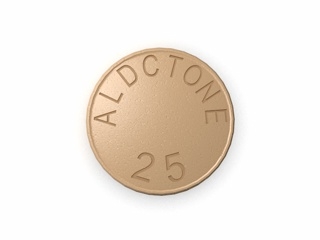
| Australian Brand Names | Aldactone®, Spiractin®, Spironal®, Apo-Spironolactone |
| ATC Code | C03DA01 |
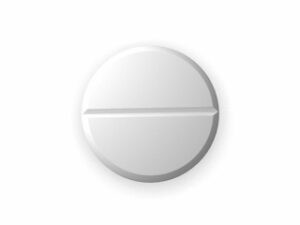
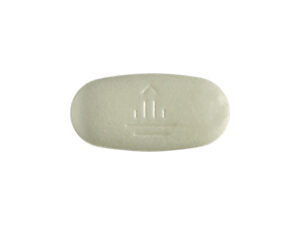
| Available Forms & Strengths | Tablets: 25 mg, 50 mg, 100 mg |
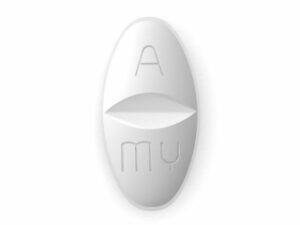
| Australian Manufacturers | Pfizer Australia (Aldactone), Aspen Pharmacare, Sandoz, Apotex, Mylan |
| Prescription Status | Prescription only (Schedule 4; pharmacist dispensing with valid Australian prescription) |
Mechanism of Action
Simple Explanation: Spironolactone is a “potassium-sparing diuretic.” It works in the kidneys by blocking the effects of a hormone called aldosterone. This reduces salt and water retention but allows the body to keep necessary potassium.
For Specialists: Spironolactone acts as a competitive antagonist at aldosterone receptors in the distal convoluted tubule and collecting duct of the nephron. This leads to increased sodium and water excretion, while conserving potassium and reducing calcium excretion. Additionally, it has anti-androgenic effects due to inhibition of androgen receptors and synthesis.
Pharmacokinetics
- Absorption: Rapidly absorbed after oral use; bioavailability increases with food.
- Metabolism: Undergoes extensive first-pass metabolism in the liver, producing active metabolites (mainly canrenone).
- Elimination: Excreted mainly via urine, partly through bile and faeces.
- Time to Effect: Initial effect within hours; maximum action in 2–3 days
- Duration of Action: Up to 2–3 days after a dose (due to active metabolites).
- Half-life: Approximately 1.4 hours (parent compound); canrenone: 16.5 hours.
Use in Everyday Life & Best Practices (in the English/Australian Context)
- Typical Adult Dose: 25–100 mg once daily (may be split into two daily doses if needed).
- Paediatric Use: Rare, but sometimes used under specialist advice for specific conditions.
- How to Take: Swallow tablets whole with water, preferably at the same time each day.
- Storage: Store at room temperature below 25°C; keep away from moisture and direct sunlight.
- English Context Tips: Consider keeping a medication chart for regularity. Ask your GP or pharmacist about NHS Medicines Use Reviews for ongoing support.
Dosing in the Morning vs Evening
- Morning:
- Commonly recommended to reduce the likelihood of needing to urinate overnight.
- Helps establish a routine.
- Evening:
- Sometimes split dosing (morning & evening) is used to avoid large single doses.
- May cause disrupted sleep due to increased need to urinate overnight.
Tip: Set an alarm, use a dosette box, or include taking your dose as part of your morning regular activities.
Taking with Food or on an Empty Stomach
- With Food: Improves absorption and reduces upset stomach. Recommended to take with breakfast (cereal, toast) as common in Australian diet.
- Empty Stomach: Taking without food is possible, but may cause more stomach upset and reduce absorption slightly.
Australian Dietary Advice: No need to avoid most normal foods, but see interactions below.
Interaction Warnings
| Type | Example | Possible Effect |
| Food | Foods high in potassium (bananas, oranges, tomatoes, spinach) | Increased risk of high blood potassium (hyperkalaemia) |
| Alcohol | Beer, wine, spirits | Can worsen dizziness and dehydration |
| Medicines | ACE inhibitors (ramipril), ARBs (irbesartan), potassium supplements | Increased risk of hyperkalaemia, heart rhythm changes |
| Anti-inflammatories | Ibuprofen, diclofenac | Reduced kidney function, increased risk of kidney damage |
| Other diuretics | Thiazides (hydrochlorothiazide) | Electrolyte imbalances, dehydration |
| Digoxin | Heart failure medication | Potential increased side effects due to electrolyte disturbances |
Indications (Approved & Off-Label Uses)
| Indication | Approved in Australia | Notes |
| Oedema due to heart failure, liver cirrhosis, nephrotic syndrome | Yes | Main use in fluid overload |
| Hypertension (high blood pressure) | Yes | Usually as an add-on treatment |
| Primary hyperaldosteronism | Yes | For diagnosis and long-term therapy |
| Heart failure (NYHA class III-IV) | Yes | Reduces hospitalisation and deaths |
| Polycystic Ovary Syndrome (PCOS), hirsutism, acne | Off-label | Anti-androgenic properties; use under specialist guidance |
Dosing According to Clinical Indication
| Indication | Usual Adult Dose | Paediatric Dose | Elderly |
| Oedema, heart failure | 25–100 mg daily (in one or two doses) | 1–3 mg/kg/day in 1–2 doses (specialist only) | Start with lowest effective dose; monitor kidney function and potassium |
| Primary hyperaldosteronism | 100–400 mg daily (diagnosis phase); 50–100 mg (maintenance) | As above, lower doses | Caution: start lower, monitor |
| Hypertension | 25–50 mg daily, can be increased as tolerated | Uncommon use | Adjust for kidney function |
| PCOS, hirsutism, acne (off-label) | 50–100 mg daily (specialist) | Not recommended | Start with lower dose, if used |
Safety Profile & Side Effects
Common Side Effects (may affect >1 in 100): - Increased urination (especially soon after starting)
- Breast tenderness, enlargement (men and women)
- Irregular or missed periods in women
- High potassium levels (can cause muscle weakness, palpitations)
- Dizziness, headache, gastrointestinal upset (nausea, vomiting, diarrhoea)
- Fatigue
- Men: reduced libido, erectile dysfunction
Rare but Serious Side Effects: - Severe high potassium (hyperkalaemia) – warning signs: muscle weakness, slow heart rate, confusion
- Severe allergic reactions (rare)
- Liver dysfunction (yellowing of the skin or eyes / dark urine)
- SJS/TEN (Severe skin reactions, extremely rare)
Important Warnings: - Do not use if you have severe kidney disease or Addison’s disease
- Always have regular blood tests to monitor potassium, kidney function, and sodium
- Inform your GP/pharmacist if you are pregnant, trying for a baby, or breastfeeding
Guidelines for Proper Use (Pharmacist/Clinic Advice)
- Take your dose at the same time each day, preferably with or after food
- Keep hydrated, especially in hot weather
- Monitor for signs of dehydration: dry mouth, dizziness, low urine output—report promptly
- Avoid salt substitutes containing potassium
- Attend regular blood tests as directed by your GP
- If you miss a dose, take it as soon as you remember—but skip if it’s nearly time for your next dose (do not double up)
- Tell your pharmacy about all your other medicines, including over-the-counter and herbal remedies
- If you develop symptoms such as severe weakness, confusion, irregular heartbeat, or yellowing of skin/eyes, contact a doctor immediately
Alternative Treatment Options
- Eplerenone: Similar effect (potassium-sparing, less anti-androgen side effects), may be more expensive and usually requires specialist approval.
- Thiazide diuretics (e.g., hydrochlorothiazide): Used in high blood pressure, but may lower potassium instead of raise it.
- Loop diuretics (e.g., frusemide): Stronger fluid clearance, used in heart failure, but less effect on potassium retention.
- Other anti-androgens (e.g., cyproterone acetate): For PCOS/hirsutism, but with different safety profiles.
- No-Drug Options: Diet, exercise, weight loss, salt reduction—fundamental for all patients, often used alongside medication. Ask your GP or dietitian for Australian dietary resource packs.
Legal, Registration, and Reimbursement Status in Australia
- Legal Status: Schedule 4 (Prescription Only Medicine)
- Regulatory Authority: Registered by the Therapeutic Goods Administration (TGA)
- Subsidy/Reimbursement: Listed on the Pharmaceutical Benefits Scheme (PBS) for approved indications such as heart failure, hypertension, and oedema. Private prescriptions available for off-label uses, with variable cost.
- Prescribing: By medical practitioners (GP, specialist); dispensing via community and hospital pharmacies
Latest Research & Clinical Guidance (2022–2025)
- 2022 European Society of Cardiology guidelines: Spironolactone remains a core medication for heart failure with reduced ejection fraction (HFrEF) and is recommended unless contraindicated (Eur Heart J, 2022).
- Androgen disorders: Ongoing studies support use in PCOS-related hirsutism and adult female acne for patients unresponsive to standard treatments (The Lancet Diabetes & Endocrinology, 2024).
- Australian Clinical Practice Guidelines: Confirmed role for spironolactone in managing resistant hypertension (Heart Foundation, 2023).
- Patient monitoring: 2024 data emphasises patient-specific risk assessment, especially for electrolyte disturbances and kidney function.
- Safety: Recent reviews highlight strong safety when monitoring is regular, but advise close supervision during intercurrent illness or medication changes.
Availability and Delivery in Australia
- Popular pack sizes: 30, 60, or 100 tablets (depending on brand and strength)
- Indicative PBS patient price: $6.70 per script (concession), up to $30 for general patients (as of 2024)
- Private prescription costs may vary: $12–$35 per pack depending on brand and pharmacy
| City | Estimated Delivery Time (Standard) | Estimated Delivery Time (Express) |
| Sydney | 1–2 business days | Same day – 1 business day |
| Melbourne | 1–2 business days | Same day – 1 business day |
| Brisbane | 2 business days | 1 business day |
| Perth | 3–5 business days | 2 business days |
| Adelaide | 2 business days | 1 business day |
| Regional/Rural Areas | Up to 7 business days | 2–3 business days |
Frequently Asked Questions (FAQ)
- Can I drink alcohol while taking spironolactone?
It is best to limit alcohol as it can increase the risk of dizziness and dehydration. Small amounts occasionally are usually tolerated if your doctor agrees. - What should I do if I miss a dose?
Take it as soon as you remember unless it’s nearly time for your next dose. Do not double up. If unsure, check with your pharmacist. - Can I eat bananas and other potassium-rich foods?
Caution is needed—eating too many potassium-rich foods can increase the risk of high potassium. Discuss your diet with your GP or dietitian, especially if you are also taking other medicines that affect potassium. - How long will I need to take spironolactone?
This depends on your condition. Some people need it for a few weeks, others long-term. Your GP or specialist will advise and monitor you. - Is spironolactone safe in pregnancy or breastfeeding?
No—spironolactone is not recommended in pregnancy or if breastfeeding. Use effective contraception if you could become pregnant, and talk to your doctor about alternatives if you are planning for a family.