
Hydrochlorothiazide: Your Guide to Safe and Effective Blood Pressure Control
Basic Product Information
| International Non-proprietary Name (INN) | Hydrochlorothiazide |
|---|---|
| Common Brand Names in Australia | Dithiazide, APO-Hydrochlorothiazide, Uremide, Bi-Carzide (in combination) |
| ATC Code | C03AA03 |
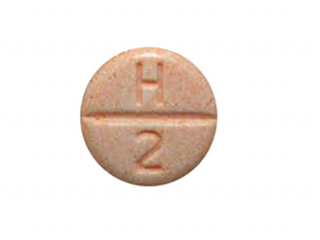
| Available Forms & Strengths | Tablet (12.5 mg, 25 mg, 50 mg); Combination tablets with other medicines (e.g., with ACE inhibitors or ARBs) |
| Manufacturers | APOTEX, Alphapharm, Aspen, Sandoz, Generic Health and others |
| Prescription Status | Prescription-only medicine (Schedule 4 in Australia) |
How Hydrochlorothiazide Works (Mechanism of Action)
- In Simple Terms, hydrochlorothiazide causes your kidneys to remove more salt and water from your blood. This reduces the amount of fluid in your blood vessels, helping to lower blood pressure and reduce swelling.
- For Healthcare Professionals: Hydrochlorothiazide is a thiazide diuretic. It acts on the distal convoluted tubule, inhibiting sodium-chloride symporter activity. This increases urinary sodium and water excretion and lowers intravascular volume, thereby reducing cardiac output and peripheral resistance.
Pharmacokinetics
- Absorption: Rapidly absorbed after oral administration (bioavailability 60–80%).
- Peak Plasma Levels: Reached in about 1.5–5 hours.
- Metabolism: Not significantly metabolised in the body.
- Elimination: Mainly excreted unchanged in urine.
- Duration of Action: Antihypertensive effects last 12–24 hours after dose.
Practical Use in Everyday Life
- Typical Doses: For treatment of hypertension and oedema, the usual adult dose is 12.5 mg to 25 mg once daily. In some cases, dosages up to 50 mg/day may be prescribed, but higher doses do not always bring greater benefit and may increase side effects.
- How to Use: Take hydrochlorothiazide with a full glass of water. Swallow the tablet whole and do not crush or chew unless told to by your doctor or pharmacist.
- Combination Medicines: This medicine is commonly used alongside other blood pressure tablets, including ACE inhibitors, ARBs, or beta-blockers, for greater effect.
- Australian patients can expect guidance at each step from their GPs or pharmacists, who will monitor both blood pressure and fluid balance.
Dosing: Morning or Evening?
- Morning dosing: Hydrochlorothiazide is usually taken in the morning, as it can increase urination (the “water tablet” effect). This helps avoid sleep disturbed by night-time urination (nocturia).
- Evening dosing: Taking it late in the day may lead to waking up to urinate at night, and is generally not recommended.
- Regularity: Try to take your medicine at the same time each day. Consistency leads to better blood pressure control and fewer missed tablets.
- Tip: Set a daily reminder or link your tablet-taking with another morning routine (e.g., brushing teeth).
Taking Hydrochlorothiazide With or Without Food
- Hydrochlorothiazide may be taken with or without food, as food has minimal effect on absorption. Some patients find it gentler on the stomach if taken after a meal.
- It can fit with a typical English diet—no special dietary changes are required unless instructed by your healthcare provider.
- Maintain a balanced diet rich in fruit and vegetables (to help potassium levels), and try to limit excess salt, as high salt intake can reduce the effectiveness of hydrochlorothiazide.
Interaction Warnings
| Interacting Substance | Effect/Risk | Pharmacy Advice |
|---|---|---|
| Alcohol | May enhance blood pressure lowering—can increase dizziness or fainting | Limit intake; stand up slowly |
| Other blood pressure medicines | Can intensify blood pressure lowering | GP may adjust doses |
| NSAIDs (ibuprofen, naproxen) | Can reduce effect of hydrochlorothiazide and increase risk of kidney issues | Use for short periods only, under medical advice |
| Diabetes medicines | May affect blood sugar control | Monitor blood sugar closely |
| Potassium supplements | Risk of abnormal potassium levels | Only use under supervision |
| Digoxin, lithium | Increased toxicity potential | Close monitoring required |
| Grapefruit juice | No clinically significant effect with hydrochlorothiazide | Safe in moderation |
Indications for Use
| Indication | Official (TGA approved) | Off-label/Other |
|---|---|---|
| High blood pressure (hypertension) | Yes | - |
| Oedema (fluid buildup)—in heart, liver, or kidney disease | Yes | - |
| Nephrogenic diabetes insipidus | - | Occasionally used |
| Kidney stone prevention (calcium stones) | - | Occasionally used |
Dosing Table by Clinical Indication
| Indication | Adults | Children | Elderly |
|---|---|---|---|
| Hypertension | 12.5–25 mg once daily | 1–2 mg/kg once daily (max 37.5 mg/day) | Start at lowest dose, 12.5 mg; monitor for side effects |
| Oedema | 25–100 mg daily (single or divided doses) | 1–2 mg/kg once daily | Lower initial dose recommended, careful fluid balance monitoring |
| Kidney stone prevention | 25 mg once daily or alternate day | Not routinely recommended | Use with caution, consider kidney function |
Always follow your doctor’s instructions. Do not increase or decrease the dose yourself.
Safety Profile & Side Effects
| Frequency | Possible Side Effects | Advice |
|---|---|---|
| Very Common (>10%) | Passing urine more often, mild dehydration, low blood pressure on standing (“dizziness”) | Stay well hydrated; stand up slowly; contact GP if troublesome |
| Common (1-10%) | Low potassium, raised uric acid, mild fatigue, increased blood sugar | Regular blood tests recommended; discuss dose or alternatives if needed |
| Uncommon/Rare | Rash, photosensitivity (sensitivity to sunlight), disturbed blood salts (magnesium, sodium), severe allergic reactions | See your GP or seek urgent advice for any severe reactions; use sunscreen |
Guidelines for Proper Use
- Take your tablets at the same time each day, usually in the morning.
- Drink enough water, especially in hot weather or when exercising, but avoid overhydration.
- Avoid sudden position changes (like standing up quickly) to reduce dizziness risk.
- Monitor your blood pressure regularly—invest in a home monitor or use pharmacy checking services.
- Report unusual muscle cramps, weakness, or changes in heartbeat.
- Maintain doctor appointments for blood tests (potassium, sodium, kidney function, uric acid).
- Let your GP, pharmacist, or specialist know all other medicines or supplements you take.
- If you miss a dose, take it as soon as you remember (unless it’s nearly time for the next dose—then skip).
- Store in a cool dry place, below 25°C, as per Australian storage recommendations.
Alternative Treatment Options
- Other Thiazide Diuretics: Chlorthalidone, indapamide — longer duration, similar action, used in some combination products.
- ACE Inhibitors and ARBs: (e.g. perindopril, irbesartan) — effective, commonly combined with thiazides; may be preferred with diabetes or kidney disease.
- Calcium Channel Blockers: (e.g. amlodipine) — suitable for many patients; less risk of electrolyte changes.
- Beta Blockers: (e.g. atenolol, metoprolol) — suitable for those with specific heart conditions.
- All these treatments are available on the Pharmaceutical Benefits Scheme (PBS), helping keep costs low for Australian patients.
Discuss with your doctor which medicine is best for your situation, as risks and benefits can differ.
Legal, Registration, and Reimbursement Status in Australia
- Legal Status: Prescription-only (Schedule 4), regulated by the Therapeutic Goods Administration (TGA).
- Registration: All hydrochlorothiazide products are registered on the Australian Register of Therapeutic Goods (ARTG).
- Reimbursement: Most hydrochlorothiazide products and combinations are subsidised under the Pharmaceutical Benefits Scheme (PBS), reducing cost to patients holding a Medicare card.
- Dispensing or supply from a registered Australian pharmacy requires a valid prescription from a licensed prescriber (GP, specialist).
Latest Research and Clinical Guidance (2022–2025)
- Recent consensus (Australian Heart Foundation, 2022) reaffirms thiazide diuretics as a preferred first-line treatment for most adults with high blood pressure, especially people over 65.
- 2024 Evidence Review (BMJ, The Lancet): Shows that low-dose hydrochlorothiazide (12.5 mg–25 mg) is as effective as other diuretics and associated with lower side effect rates.
- Combination therapy with ARBs or ACE inhibitors is recommended where single medicines do not reach target pressure.
- TGA Safety Update (2023): Reminds prescribers and patients to routinely monitor electrolytes, especially in the elderly and those with kidney impairment.
- Global Guidelines (ESC, NICE): Continue to include hydrochlorothiazide and similar agents as key components in hypertension management.
- References: Australian Heart Foundation. Hypertension Guidelines (2022). TGA Safety Alerts (2023–2025). Mills KT et al, The Lancet, 2024. BMJ review, 2023.
Availability and Delivery
| Pack Size(s) | Indicative PBS Price* | Availability |
|---|---|---|
| 30 tablets (25 mg) | $14.50 (PBS general co-payment)** | Widespread—most community pharmacies |
| 100 tablets (25 mg) | $21.90 (PBS general co-payment)** | Orderable—stock within 24–48 hrs if not on hand |
*Prices subject to change, concessional PBS patients may pay as little as $7.70 or less per script.
**Private (non-PBS) price may be higher. Combination tablets may differ.
| Major City | In-Store Pickup | Next-Day Delivery* |
|---|---|---|
| Sydney | Available | Yes |
| Melbourne | Available | Yes |
| Brisbane | Available | Yes |
| Perth, Adelaide | Likely available | 2 working days |
| Rural/Remote | By order | 2–4 working days |
*Subject to pharmacy location, supply, and courier schedules.
Frequently Asked Questions (FAQ)
- Can I drink alcohol while taking hydrochlorothiazide?
Yes, in moderation. Alcohol can enhance the blood pressure-lowering effect, so it may make you feel dizzy, especially when standing. If you feel faint, sit down until you feel well. - What should I do if I miss a dose?
Take it as soon as you remember, unless it is close to your next scheduled dose. Do not double up. Keeping a daily tablet chart or using a weekly pill organiser can help. - Will I need regular blood tests?
Yes. Blood tests to monitor your kidney function, sodium, potassium, and uric acid are recommended—usually every 3–6 months, more frequently when starting or changing dose. - Can I stop taking hydrochlorothiazide if my blood pressure improves?
No. Always consult your GP before making any changes. Stopping suddenly could let your blood pressure rise again. - Is hydrochlorothiazide safe during pregnancy or breastfeeding?
Hydrochlorothiazide is generally avoided in pregnancy and breastfeeding; alternative medicines are usually preferred. Consult your doctor for individual guidance.
Summary
Hydrochlorothiazide is a well-established, TGA-registered medicine used for managing high blood pressure and fluid retention. When taken as prescribed and with regular check-ups, most Australian patients find it safe, affordable, and effective. For the best results, follow your healthcare team’s instructions, attend your scheduled reviews, and maintain a healthy lifestyle.