

Amlodipine: Patient Information Guide for Australia
Basic Product Information
| International Nonproprietary Name (INN) | Amlodipine |
|---|---|
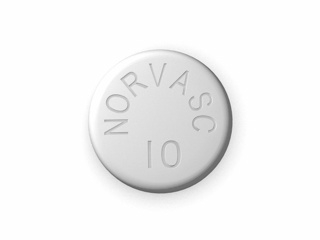
| Australia Brand Names | Norvasc®, Apo-Amlodipine, Amlodipine Sandoz, Chemmart Amlodipine, and others |
| ATC Code | C08CA01 |
| Available Forms and Strengths | Tablets: 2.5 mg, 5 mg, 10 mg |
| Manufacturers | Pfizer, Sandoz, Apotex, and various generic medicine manufacturers |
| Prescription Status | Prescription-only medicine in Australia (Schedule 4, S4) |
Mechanism of Action
For Patients: Amlodipine is a type of medicine called a calcium channel blocker. It works by relaxing and widening your blood vessels, which helps lower your blood pressure and makes it easier for your heart to pump blood around your body. This can help reduce chest pain (angina) and prevent heart-related complications such as stroke or heart attack.
For Specialists: Amlodipine selectively inhibits transmembrane influx of calcium ions into vascular smooth muscle and cardiac muscle, with a greater effect on vascular smooth muscle. Its action leads to decreased peripheral vascular resistance and afterload, without significant negative inotropic effects in therapeutic doses.
Pharmacokinetics
- Absorption: Well absorbed orally, with peak plasma concentrations in 6–12 hours.
- Bioavailability: Approximately 60%.
- Metabolism: Extensively metabolised in the liver (CYP3A4-mediated).
- Elimination: Mainly via urine as inactive metabolites; terminal half-life is 35–50 hours, allowing once-daily dosing.
- Duration of Action: Lasts at least 24 hours, supporting single daily doses.
Use in Everyday Life and Best Practices (Australian Context)
Typical Doses: For adults, Amlodipine is usually started at 5 mg once daily. Your doctor may adjust the dose up to 10 mg daily depending on your response. The medicine is taken as a tablet with a glass of water.
- For high blood pressure (hypertension): Usually 5–10 mg once daily.
- For angina (chest pain): Usually 5–10 mg once daily.
Swallow tablets whole—do not crush or chew. Take it at the same time each day to help remember your dose.
Dosing in the Morning vs Evening
- Morning dosing: Convenient for most patients and aligns with blood pressure patterns. May help reduce morning hypertension surges.
- Evening dosing: Can be beneficial if you experience side effects like dizziness, as you will sleep through the peak drug levels. Studies suggest little clinical difference but consistency in the timing is key.
- Tip: Choose a time that suits your routine and stick to it for steady blood levels and best effect.
Taking with Food or on an Empty Stomach
Amlodipine can be taken with or without food. Meals, including typical Australian diets, do not significantly affect its absorption. It is safe to take with a meal or snack.
Interaction Warnings
Be aware of possible interactions. Discuss all medicines, supplements, and foods with your pharmacist or doctor.
| Type | Example | Advice |
|---|---|---|
| Food | Grapefruit juice (large quantities) | May increase Amlodipine levels slightly. Avoid excessive grapefruit intake. |
| Alcohol | Beer, wine, spirits | May increase the risk of dizziness or light-headedness. Limit alcohol while taking this medicine. |
| Other Medicines | Simvastatin, diltiazem, antifungals (e.g. ketoconazole), macrolide antibiotics (e.g. erythromycin), HIV medicines, cyclosporin | Can increase the risk of side effects. Dose adjustments or alternative medicines may be needed. |
| Non-Prescription | Herbal supplements – St John’s Wort | May reduce or affect Amlodipine blood levels. Use with caution and consult your doctor. |
Indications for Amlodipine
| Approved Indications (Australia) | Off-label/Other Uses |
|---|---|
|
|
Dosing According to Clinical Indication
| Indication | Adults | Elderly (≥65 years) | Children (6–17 years) |
|---|---|---|---|
| Hypertension | 5 mg once daily (up to 10 mg if needed) | Often start at 2.5 mg–5 mg daily | 2.5 mg–5 mg once daily (max 5 mg) |
| Angina | 5 mg once daily (up to 10 mg if needed) | Lower initial dose may be recommended | Not routinely used – specialist advice required |
| Raynaud's Phenomenon | 2.5–5 mg once daily (off-label) | Lower initial dose | Not recommended |
Safety Profile and Side Effects
Amlodipine is generally well tolerated. Most side effects are mild and improve with time.
| Common Side Effects (>1%) | Rare/Serious Side Effects |
|---|---|
|
|
Tell your doctor or pharmacist if you experience any persistent side effects.
- Use caution if driving or operating machinery until you know how Amlodipine affects you.
- Swelling (oedema) is dose-related and may improve with lower doses or combined therapies (e.g., an ACE inhibitor).
Guidelines for Proper Use (Practical Tips for Australia)
- Take Amlodipine as prescribed, at the same time each day.
- Continue to take your medicine even if you feel well. High blood pressure often has no symptoms.
- Do not stop Amlodipine suddenly without talking to your doctor. This can cause your blood pressure to rise suddenly.
- Monitor your blood pressure at home. Many pharmacies offer free blood pressure checks.
- Make healthy lifestyle choices—eat a balanced Australian diet (reduced salt, plenty of vegetables), limit alcohol, be active, and maintain a healthy weight.
- Store tablets below 25°C, away from heat and moisture, and out of reach of children.
- Bring your medicines list to every healthcare appointment.
Alternative Treatment Options (PBS-Reimbursed)
| Drug Class | Example Medicines | Pros | Cons |
|---|---|---|---|
| ACE Inhibitors | Perindopril, Ramipril | Cardioprotective, kidney protection (for diabetics) | May cause cough, not suitable for those with certain kidney problems |
| Angiotensin II Receptor Blockers (ARBs) | Irbesartan, Candesartan | Well tolerated; alternative if ACE inhibitors not suitable | Expensive if not covered by PBS |
| Other Calcium Channel Blockers | Diltiazem, Verapamil | Additional rhythm control benefits | Not always suitable for those with heart failure |
| Thiazide Diuretics | Hydrochlorothiazide, Indapamide | Lower blood pressure, low cost | Can affect potassium levels, not always suitable for elderly |
| Beta Blockers | Atenolol, Metoprolol | Heart rate control, angina, some arrhythmias | Less effective for uncomplicated hypertension; side effects possible |
- Most of the above medicines are reimbursed by the Pharmaceutical Benefits Scheme (PBS) in Australia for approved indications.
- Choice depends on your other conditions, side effects, and doctor’s advice.
Legal, Registration, and Reimbursement Status in Australia
- Amlodipine is registered with the Therapeutic Goods Administration (TGA) for use in Australia.
- It is a Schedule 4 prescription medication—only available at pharmacies with a valid Australian prescription.
- It is subsidised under the Pharmaceutical Benefits Scheme (PBS) for hypertension and angina.
- Your pharmacist or doctor can check your PBS eligibility and co-payment options.
Latest Research and Clinical Guidance (2022–2025)
- Australian clinical guidelines (Heart Foundation, 2023): Recommend Amlodipine and other calcium channel blockers as first-line therapy for hypertension, especially in people aged over 60 and those with type 2 diabetes or at high cardiovascular risk.
- International evidence: Recent meta-analyses (Lancet 2023; NEJM 2024) confirm Amlodipine’s effectiveness in reducing stroke and heart attack risk. It is as effective as other major antihypertensive drug classes.
- Key points for 2025: Ongoing research focuses on combination single-pill therapies (e.g., amlodipine with perindopril or valsartan). These help with adherence and simplify daily management.
Availability and Delivery in Australia
| Pack Size | Typical PBS Price (AUD) | Private Price (AUD) | Approximate Availability |
|---|---|---|---|
| 30 tablets (1 month) | $7.30 concession, up to $30.00 general | $10–$25 | In stock at most pharmacies |
| 90 tablets (3 months) | $21.90 concession, up to $90.00 general | $30–$65 | Commonly available; orderable |
| Delivery Location | Standard Delivery (Business Days) | Express Delivery (Business Days) |
|---|---|---|
| Sydney | 1–2 | Same day–1 |
| Melbourne | 1–2 | Same day–1 |
| Brisbane | 1–2 | Same day–1 |
| Perth, Adelaide, Hobart | 2–3 | 1–2 |
| Rural and Regional Locations | 2–5 | 2–3 |
Frequently Asked Questions (FAQ)
- How long do I need to take Amlodipine?
Amlodipine is usually taken long-term, sometimes for life, to control blood pressure or angina. Your doctor will discuss how long you need it and review this regularly. - Can I drink alcohol while taking Amlodipine?
Moderate alcohol is generally safe, but it may increase the risk of dizziness or feeling faint. Limit alcohol to recommended guidelines. - What should I do if I miss a dose?
Take it as soon as you remember—unless it's almost time for your next dose. Never double up. If in doubt, ask your pharmacist or doctor. - Is Amlodipine safe during pregnancy or breastfeeding?
It is not routinely recommended; discuss with your doctor if you are pregnant, planning pregnancy, or breastfeeding, as other medicines may be more suitable. - Can Amlodipine be crushed for swallowing difficulties?
Amlodipine tablets should be swallowed whole. If you have trouble swallowing, speak to your pharmacist about available options or liquid preparations.
For more information or personalised advice, speak to your GP, pharmacist, or the healthdirect Australia medical helpline.