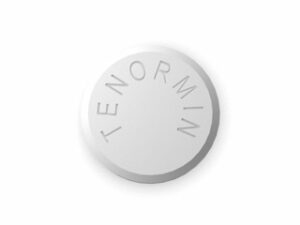
Atenolol: Patient-Friendly Guide for Australia
Basic Product Information
| International Non-Proprietary Name (INN) | Atenolol |
|---|---|
| Common Australia Brand Names | Tenormin®, Noten®, Atenolol Sandoz®, Tenoretic® (atenolol with chlortalidone) |
| Pharmacological Class (ATC Code) | C07AB03 (Beta Blocking Agents, Selective) |
| Available Forms & Strengths | Tablets: 25 mg, 50 mg, 100 mg |
| Manufacturers (Australia examples) | AstraZeneca, Sandoz, Alphapharm, Apotex |
| Prescription Status | Prescription Only Medicine (Schedule 4 – S4) |
Mechanism of Action
Simple Explanation: Atenolol is a type of medicine known as a beta blocker. It lowers blood pressure and helps the heart by making it beat more slowly and with less force. This reduces strain on the heart and the amount of work it needs to do.
For Healthcare Professionals: Atenolol is a selective β1-adrenergic receptor antagonist. It decreases sympathetic outflow to the heart, reduces cardiac output, prolongs AV conduction, and suppresses renin activity in the kidneys. Unlike some other beta blockers, it is less likely to cross the blood-brain barrier, minimising central nervous system adverse effects.
Pharmacokinetics
- Absorption: Well absorbed orally (about 50% bioavailability).
- Peak Plasma Time: 2–4 hours after dose.
- Distribution: Low lipid solubility—limited entry into the brain.
- Metabolism: Minimal liver metabolism (<10%); most is unchanged in circulation.
- Elimination: Mainly excreted by kidneys; dosage adjustment may be needed in renal impairment.
- Half-Life: ~6–9 hours (longer in elderly and those with kidney conditions).
- Duration of Action: Typically 24 hours after a single dose.
Use in Everyday Life & Best Practices (Australia)
Atenolol is prescribed to manage high blood pressure (hypertension), prevent heart attacks, treat certain heart rhythm problems (arrhythmias), and relieve symptoms of angina (chest pain). In Australia, patients usually collect their prescription from a community pharmacy and receive advice from their GP or specialist.
- Take tablets by mouth with a glass of water.
- Try to take at the same time each day for best effects.
- Do not stop taking atenolol suddenly without speaking to your doctor—this could worsen your condition.
- Bring your Medicare card to pharmacies—the drug is subsidised on the Pharmaceutical Benefits Scheme (PBS).
- Routine blood pressure checks (at clinic or pharmacy) are recommended.
- Let the pharmacist know about all other medications and supplements you use.
Dosing in the Morning vs Evening: Tips on Regularity
Atenolol can generally be taken in the morning or the evening. Each has pros and cons:
- Morning dosing: May better match times of greatest blood pressure variability, especially for those active in the day. Less likely to be forgotten in a routine. Some people experience fewer side effects like vivid dreams.
- Evening dosing: Some people prefer evening or bedtime if it helps remember the dose, or if advised by a doctor for heart rhythm issues overnight.
- Most importantly, pick a time you can stick to daily. Consistency is key!
Should I Take Atenolol With Food?
Atenolol can be taken with or without food. Food slightly reduces absorption but does not greatly impact efficacy. A light meal, such as a typical Australian breakfast (cereal, toast, fruit), is fine. Avoid high-fat meals soon before or after doses, as these may slightly delay absorption. If you experience stomach upset, taking with food may help.
Interaction Warnings
Atenolol may interact with certain foods, beverages, and other medicines. Always talk to your pharmacist or doctor before starting, stopping, or changing any medication.
| Type | Common Examples | Effect/Advice |
|---|---|---|
| Medicines |
| Monitor for low blood pressure, slow heart rate, blood sugar changes, or increased side effects. |
| Alcohol | Beer, wine, spirits | Can increase blood pressure-lowering effect and risk of fainting. Limit alcohol. |
| Food | Generally compatible with most foods | Take with or without meals as suits your routine. |
| Herbal & Supplements | St John’s wort, some weight loss or cold/flu tablets | May interfere with action—check with pharmacist before use. |
Indications
| Approved (TGA, Australia) | Off-label/Other Uses |
|---|---|
|
|
Dosing According to Clinical Indications
| Indication | Typical Adult Dose | Paediatric Dose | Elderly Dose |
|---|---|---|---|
| Hypertension | Initially 25–50 mg once daily, may increase to 100 mg as needed | 0.5–1 mg/kg daily (specialist paediatric advice required) | Start at lower end (25 mg), titrate slowly; monitor renal function |
| Angina | 50–100 mg once daily | Not routinely used | As above, often 25–50 mg daily |
| Arrhythmias | 50–100 mg once daily or divided | Variable—specialist dosing | Lower dose, titrated with caution |
| Secondary prevention post-MI | 50–100 mg once daily | Not usually prescribed | Dose as tolerated |
Note: Your doctor may adjust doses for kidney function or particular health conditions.
Safety Profile and Side Effects
| Common Side Effects (>1 in 100 patients) | Less Common/Rare Side Effects (<1 in 1000) | Important Warnings |
|---|---|---|
|
|
|
Guidelines for Proper Use: Australian Pharmacist Advice
- Take atenolol exactly as prescribed. Do not double up doses if a dose is missed but take the next as scheduled.
- If you forget a dose, take it as soon as you remember—if close to next dose, skip the missed one.
- Do not stop suddenly. Withdrawal can be dangerous, especially for those with heart conditions.
- Carry identification stating you’re on a beta blocker if at risk of emergencies.
- Attend regular GP or specialist reviews, including blood pressure and kidney checks.
- Let all healthcare professionals (including dentists) know you take atenolol, as it affects the heart and blood pressure.
- If you become severely short of breath, faint, or develop a slow pulse (under 50 bpm), seek urgent advice.
- Store tablets in a cool, dry place away from direct sunlight and out of reach of children.
- Dispose of unused or expired tablets at your local pharmacy.
Alternative Treatment Options (PBS-covered)
- Other Beta Blockers: Metoprolol (Metoprolol Succinate/Tartrate), Bisoprolol, Carvedilol—may be preferred for particular heart conditions.
- ACE Inhibitors: Ramipril, Perindopril—effective in many hypertension and heart failure cases.
- Angiotensin II Receptor Blockers (ARBs): Irbesartan, Valsartan—suitable for those intolerant to ACE inhibitors.
- Calcium Channel Blockers: Amlodipine, Diltiazem—useful for blood pressure and angina.
- Thiazide Diuretics: Hydrochlorothiazide, Indapamide—commonly added for blood pressure control.
Choice depends on personal health needs, medical history, and potential side effects. PBS (Pharmaceutical Benefits Scheme) subsidy generally applies, reducing cost for Australian residents.
Legal, Registration, and Reimbursement Status in Australia
- Regulatory and Approval: Registered on the Australian Register of Therapeutic Goods (ARTG), approved by the Therapeutic Goods Administration (TGA).
- Prescription Requirement: S4 (Prescription Only). Not available for purchase without a valid prescription from a registered Australian medical practitioner.
- Subsidy: Included on the Pharmaceutical Benefits Scheme (PBS).
- Cost: With a PBS script, patients usually pay a standard co-payment (subject to concession card status).
- Reimbursement: Most private health insurers and the public system (Medicare) support prescribed use.
Latest Research and Clinical Guidance (2022–2025)
- 2022–2024 Australian Guidelines on Hypertension: Beta blockers, including atenolol, are recommended for those with specific heart rhythm disorders, heart attack recovery, and when other medications are unsuitable. First choice for simple hypertension is usually ACE inhibitors, ARBs, or calcium channel blockers.
- International Evidence: Beta blockers (atenolol) effective in reducing repeat heart attacks and controlling heart rate, but may be less effective in preventing some cardiovascular outcomes compared to newer drugs for hypertension alone (National Institute for Health and Care Excellence—NICE, UK, 2023).
- Special Populations: Recent studies suggest careful use in diabetes, older adults, and those with asthma/COPD. Lower doses and close monitoring are key (Heart, Lung and Circulation, 2023).
- Migraine and Anxiety: Off-label use continues in select cases for prevention (British Journal of Clinical Pharmacology, 2024).
Availability and Delivery in Australia
| Strength | Common Pack Sizes | Indicative PBS Price (AUD) | Estimated Pharmacy Delivery (Express to Major Cities) |
|---|---|---|---|
| 25 mg | 30, 60 tablets | $8.30 (PBS general), $7.30 (concession) per pack* |
|
| 50 mg | 30, 60 tablets | As above | As above |
| 100 mg | 30, 60 tablets | As above | As above |
*Prices as per PBS as of June 2024; subject to change. Private scripts are typically slightly higher.
Frequently Asked Questions (FAQ)
- Can I drink alcohol while taking atenolol?
Moderate alcohol intake is generally safe, but drinking large amounts can increase the risk of side effects such as dizziness, fainting, or low blood pressure. Always drink responsibly and talk to your GP if you have concerns. - What happens if I miss a dose?
Take the missed dose as soon as you remember. If it’s almost time for your next dose, skip the missed one and continue as normal. Do not double up doses. - Is atenolol safe during pregnancy or breastfeeding?
Atenolol is generally not recommended in pregnancy unless essential, as it may affect the unborn baby. If you are planning to become pregnant, are pregnant, or breastfeeding, discuss this with your doctor before starting or continuing atenolol. - How long will I need to take atenolol?
Some people require atenolol long-term, especially after a heart attack or for chronic high blood pressure or arrhythmias. Do not stop without speaking to your doctor, even if you feel well. - Can I take other medications with atenolol?
Many medicines are safe to take with atenolol, but some (e.g., certain antivirals, antidepressants, other heart or blood pressure medicines) can interact. Always tell your pharmacist and doctor about everything you take, including herbal and over-the-counter products.
For more information: Please visit your local pharmacy, consult your doctor, or refer to the Consumer Medicine Information leaflet supplied with your prescription.