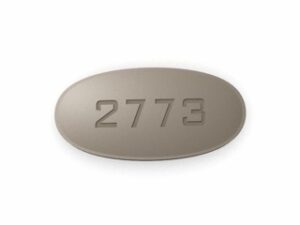

Bystolic (Nebivolol): Comprehensive Patient Information for Australia
Basic Product Information
| International Non-proprietary Name (INN) | Nebivolol |
|---|---|
| Australia Brand Name(s) | Bystolic®, Nebivolol Sandoz® |
| ATC Code | C07AB12 |
| Available Forms & Strengths | Oral tablets: 2.5 mg, 5 mg, 10 mg |
| Manufacturers | Mylan, Sandoz, various generic manufacturers |
| Prescription Status | Prescription only (Schedule 4 medicine in Australia) |
Mechanism of Action
For patients: Bystolic (nebivolol) belongs to a class of medications called beta-blockers. It works mainly by slowing down your heart rate and relaxing blood vessels, making it easier for your heart to pump blood around your body. This reduces blood pressure and helps prevent heart-related complications.
For specialists: Nebivolol is a highly selective β1-adrenergic receptor antagonist. It also enhances nitric oxide (NO)-mediated vasodilation via stimulation of endothelial NO synthase, providing additional vascular relaxation and peripheral blood pressure reduction.
Pharmacokinetics
- Absorption: Rapid absorption after oral administration; bioavailability is approximately 12% in extensive metabolisers (most Australians).
- Metabolism: Hepatic, primarily via CYP2D6; active metabolites.
- Elimination Half-Life: 10–30 hours depending on CYP2D6 genotype (longer for poor metabolisers).
- Excretion: Renal (urine) and faecal pathways.
- Duration of Action: 24-hour effect with once-daily dosing.
Use in Everyday Life and Best Practices
Bystolic is commonly used for the treatment of high blood pressure (hypertension) and, in certain cases, for heart failure management. In Australia, it is typically prescribed for adult patients, often as part of a comprehensive therapy plan that may include lifestyle changes (such as the Australian Heart Foundation recommendations: increased physical activity, healthy diet, reduced salt intake).
Typical Doses
- Adults (usual start): 5 mg once daily, titrated as necessary; maximum 40 mg per day.
- Elderly: May require lower starting doses (2.5 mg daily).
- Pediatric: Safety and efficacy not established in children under 18 years in Australia.
Take the tablet at the same time each day for best results, and do not stop suddenly unless advised by your prescriber.
Dosing: Morning vs Evening
- Morning dosing: Preferred for most patients in Australia to coincide with greatest blood pressure surge after waking and to reduce risk of overnight hypotension.
- Evening dosing: May be appropriate if morning doses cause dizziness or fatigue; clinical equivalence is established, but regular timing is most important.
- Tip: Establish a daily routine (e.g., after breakfast) for better adherence.
Taking with Food or on an Empty Stomach
- Bystolic may be taken with or without food.
- Food does not significantly affect absorption. For Australian patients, it can be taken with a typical breakfast (cereal, toast) or on an empty stomach, whichever is easier to remember.
- Tip: If you suffer from nausea, take it after a meal.
Interaction Warnings
| Interacting Substance | Effect/Warning |
|---|---|
| Other blood pressure medicines (e.g., verapamil, diltiazem) | May increase risk of bradycardia or low blood pressure |
| Antiarrhythmics (amiodarone, digoxin) | Potential additive effect on heart rate |
| Antidepressants (SSRIs, especially fluoxetine) | May alter metabolism (increased side effects) |
| St John’s Wort | May decrease effectiveness of nebivolol |
| Alcohol | May enhance blood pressure-lowering effect (dizziness) |
| Grapefruit juice | No significant interaction, but moderation is advised |
| NSAIDs (ibuprofen, naproxen) | May reduce antihypertensive effect |
Indications
| Indication | Approval Status (Australia) | Notes |
|---|---|---|
| Essential hypertension (high blood pressure) | Approved | Initial and maintenance therapy |
| Chronic heart failure | Not officially TGA-approved | Occasionally used off-label, specialist endorsement required |
| Arrhythmias, migraine prophylaxis | Off-label | Not standard practice; alternative therapies preferred |
Dosing According to Clinical Indications
| Patient Group | Indication | Starting Dose | Typical Dose Range | Notes |
|---|---|---|---|---|
| Adults | Hypertension | 5 mg once daily | 5–40 mg once daily | Adjust according to response |
| Elderly (>65 years) | Hypertension | 2.5 mg once daily | 2.5–40 mg once daily | Start low, go slow |
| Renal/Hepatic Impairment | Hypertension | 2.5 mg once daily | Max 10–20 mg once daily | Special adjustment required, consult physician |
| Pediatric | N/A | Not established | Not recommended | Consult paediatrician |
Safety Profile and Side Effects
| Frequency | Adverse Effect | Comments/Warnings |
|---|---|---|
| Common (>1%) | Dizziness, headache, fatigue, slow heartbeat (bradycardia) | Most transient; report severe cases |
| Occasional (0.1–1%) | Gastrointestinal upset, sleep disturbances, cold extremities | May need dose adjustment |
| Rare (<0.1%) | Breathlessness, skin rash, depression, sexual dysfunction | Alert your doctor if persistent |
| Warnings | Asthma/COPD, severe bradycardia, AV block, severe liver impairment | Contraindicated |
Guidelines for Proper Use (Australia)
- Follow your doctor’s instructions for dose and timing.
- If you miss a dose, take it as soon as you remember—unless it’s close to the next dose (do not double-dose).
- Monitor your blood pressure regularly at home; document readings as advised.
- Continue eating a balanced diet (rich in fruit, vegetables, lean proteins—Australian Dietary Guidelines).
- Limit alcohol and caffeine to avoid blood pressure spikes.
- Contact your GP or pharmacist if you experience significant side effects.
- Do not stop Bystolic suddenly without medical advice; risk of rebound hypertension and angina.
Alternative Treatment Options
- Atenolol: Less expensive; less vasodilatory activity; may affect glucose & lipid metabolism more adversely.
- Metoprolol: Widely used, more data for heart failure; non-vasodilating.
- Bisoprolol: Once-daily dosing; proven in heart failure.
- Carvedilol: Has additional alpha-blocking and antioxidant properties, useful in heart failure; more side effects (fatigue, hypotension).
- Other antihypertensives: ACE inhibitors, calcium channel blockers, thiazide diuretics (often reimbursed through PBS Australia).
Pros of Bystolic: Better tolerability in some patients (less fatigue, fewer sexual side effects), unique vasodilatory effects. Cons: Cost can be higher than older beta-blockers; less long-term experience in heart failure compared to metoprolol or bisoprolol.
Legal, Registration, and Reimbursement Status in Australia
- Regulatory Authorisation: Approved by the TGA (Therapeutic Goods Administration) for treatment of hypertension.
- Prescription: Prescription-only (Schedule 4) medicine; not available as over-the-counter.
- Reimbursement: Listed under the Pharmaceutical Benefits Scheme (PBS) for eligible patients with hypertension.
- Dispensing: Only by registered pharmacists; supply conditions as per Australian law.
Latest Research and Clinical Guidance (2022–2025)
- Australian hypertension guidelines (2023) confirm nebivolol is a suitable alternative in patients unable to tolerate conventional beta-blockers due to side effects such as fatigue or sexual dysfunction (NHFA/CSANZ, 2023).
- Recent meta-analyses (Lancet, 2024; JAMA Cardiology, 2022) suggest nebivolol may provide improved endothelial function compared to older beta-blockers, with similar blood pressure outcomes.
- Heart failure guidelines (ESC, 2022) mention nebivolol as an option in select patients with preserved ejection fraction, though other agents remain standard first choice.
- Ongoing international trials (2023–2025) are investigating longer-term cardiovascular mortality benefits.
Availability and Delivery in Australia
| Pack Size | Strength(s) | Indicative Price (PBS) | Major City Delivery Estimate |
|---|---|---|---|
| 30 tablets | 5 mg | $19–$28 (PBS subsidy for eligible patients) | 1–2 business days (Sydney, Melbourne, Brisbane, Perth) |
| 90 tablets | 5 mg | $55–$85 (PBS subsidy applies) | 1–3 business days (Adelaide, Canberra, Hobart, Darwin) |
Most Australian community pharmacies can obtain Bystolic within 24–48 hours if not kept in immediate stock. Delivery to remote and regional areas may take 2–5 business days.
FAQ – Frequently Asked Questions About Bystolic
- Q: What should I do if I miss a dose?
A: Take the missed dose as soon as you remember unless it is almost time for your next dose. Do not double up to make up for a missed tablet. - Q: Can I drive or operate machinery while taking Bystolic?
A: Bystolic may cause dizziness, especially when you start treatment or change your dose. Use caution until you know how it affects you. - Q: Is it safe to drink alcohol while taking Bystolic?
A: Moderate alcohol intake is unlikely to cause problems, but Bystolic may increase alcohol’s blood pressure-lowering effect. Avoid excessive drinking. - Q: Can I stop Bystolic suddenly?
A: No, stopping suddenly can cause serious heart or blood pressure consequences. Always consult your doctor first. - Q: Is Bystolic covered by the PBS in Australia?
A: Yes, for eligible patients with hypertension, Bystolic is subsidised under the Pharmaceutical Benefits Scheme.
For more information: Speak directly with your doctor or pharmacist, or visit the TGA or PBS websites for the most up-to-date advice tailored to Australia.