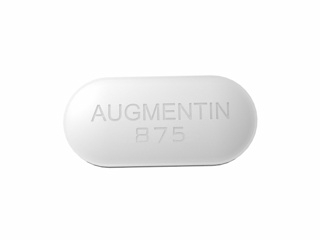
Augmentin (Amoxicillin/Clavulanate) – Patient Information for Australia
Basic Product Information
| International Non-Proprietary Name (INN) | Amoxicillin / Clavulanic Acid |
|---|---|
| Brand Names (Australia) | Augmentin®, Alphamox Duo Forte®, Curam Duo Forte®, Moxclav®, others |
| ATC Code | J01CR02 |
| Available Forms & Strengths |
|
| Australian Manufacturers/Distributors | GlaxoSmithKline Australia, Sandoz, Generic brands |
| Prescription Status | Prescription Only Medicine (Schedule 4, PBS listed) |
How Does Augmentin Work?
For Patients: Augmentin is a combination antibiotic medicine. It contains two active ingredients: amoxicillin (a penicillin-type antibiotic) and clavulanic acid (a beta-lactamase inhibitor). Amoxicillin kills bacteria, while clavulanic acid makes amoxicillin effective against bacteria that can resist regular penicillin antibiotics.
For Healthcare Professionals: Amoxicillin inhibits bacterial cell wall synthesis by binding to penicillin-binding proteins (PBPs). Clavulanic acid irreversibly inactivates beta-lactamase enzymes, extending amoxicillin’s spectrum to beta-lactamase-producing organisms.
Pharmacokinetics
- Absorption: Both components are well absorbed orally; peak plasma levels occur within 1–2 hours after dosing.
- Metabolism: Amoxicillin undergoes minimal hepatic metabolism. Clavulanic acid is extensively metabolised in the liver.
- Elimination: Both drugs are primarily eliminated by the kidneys (renal excretion), with most of the active compound cleared within 6 hours.
- Duration of Action: Clinical effectiveness persists for about 8–12 hours per dose, depending on dosing regimen and severity of infection.
Use in Everyday Life and Best Practices
- Common Indications in Australia: Prescribed mainly for respiratory tract infections (such as pneumonia, bronchitis, sinusitis), urinary tract infections, skin and soft-tissue infections, and post-bite wounds.
- Typical Doses:
- Adults: Usually 500 mg/125 mg or 875 mg/125 mg tablets every 12 hours.
- Children: Dose adjusted according to weight and infection severity, often given as oral suspension.
- Always complete the full course, even if you feel better.
- Do not share medicines or save leftovers “just in case.”
- If you miss a dose, take it as soon as you remember. If it’s nearly time for your next dose, skip the missed tablet – never double dose.
Dosing: Morning vs Evening
Augmentin is usually taken twice daily (every 12 hours), so choose times that fit your daily schedule—commonly after breakfast and after dinner. There’s no strong evidence one time of day is better, but spacing your doses as evenly as possible keeps the antibiotic working consistently. Some patients find evening dosing helpful to avoid missed morning doses due to a busy routine.
- Tip: Set a recurring alarm or use a pillbox to help keep on track.
- Late-night doses may increase likelihood of stomach upset or interfered sleep due to gastrointestinal side effects.
Taking with Food or on an Empty Stomach
Augmentin is best taken at the start of a meal or with food. This helps:
- Reduce the risk of stomach upset (nausea, diarrhoea).
- Improve absorption—studies show slightly better blood levels and less likelihood of digestive problems.
- Fit into normal eating patterns common in Australia (e.g., after breakfast and dinner).
Interaction Warnings
| Interaction Type | Details & Advice |
|---|---|
| Food | Take at the start of a meal; avoid large dairy servings immediately before/after dosing. |
| Alcohol | Moderate alcohol is unlikely to cause problems, but may increase the risk of GI side effects. Separate from Augmentin if possible. |
| Anticoagulants (e.g., warfarin) | Augmentin may increase warfarin effects. Monitor INR more frequently. |
| Allopurinol | Combination may increase risk of skin rash – inform your doctor if you take both. |
| Oral contraceptives | Antibiotics may rarely reduce the effectiveness of the pill. Use a backup method if you have vomiting/diarrhoea. |
| Other antibiotics/medications | Check with your pharmacist—interactions possible with tetracyclines, methotrexate, and others. |
Clinical Indications
| Indication | Official (TGA) | Common Off-Label / Additional Use |
|---|---|---|
| Acute Sinusitis | ✔ | |
| Respiratory Tract Infections | ✔ | ✔ (including recurrent bronchitis) |
| Skin & Soft Tissue Infections | ✔ | |
| Urinary Tract Infections | ✔ | |
| Otitis Media | ✔ | |
| Dental Infections | ✔ | |
| Prophylaxis after dog/cat/human bites | ✔ | |
| Helicobacter pylori eradication (adult) | Occasional |
Dosing According to Clinical Indications
| Population | Common Indication | Recommended Dose | Maximum Dose/Offering |
|---|---|---|---|
| Adults | Respiratory, urinary, skin infections | 500/125 mg every 8 hrs or 875/125 mg every 12 hrs | Max: 1750/250 mg per day (tab form) |
| Children (over 2 months) | All approved indications | 20–40 mg/kg/day amoxicillin in divided doses e.g., 400/57 mg suspension twice daily | Varies by weight Max 70 mg/kg/day |
| Elderly | All approved indications | Same as adults; adjust if renal impairment | |
| Renal impairment | Any indication | Reduce frequency or dose (per doctor’s instructions) |
Safety Profile and Side Effects
The side effects of Augmentin are generally mild and settle once treatment is complete. However, some patients may experience more pronounced symptoms. See your doctor or pharmacist if worries persist.
| Type | Symptoms |
|---|---|
| Very Common / Common |
|
| Uncommon |
|
| Rare/Serious |
|
Guidelines for Proper Use: Tips from Your Australian Pharmacist
- Take at regular times each day, best after a meal.
- Shakes suspensions well and use a proper medicine syringe or spoon (not a kitchen teaspoon).
- Store as per label – once reconstituted, keep the oral suspension in the fridge and discard after 7–10 days.
- Drink extra water to stay hydrated, especially if you develop diarrhoea.
- Return unused or expired medication to your local pharmacy for safe disposal (part of Australia’s RUM Project).
- If you have a known penicillin allergy, inform your doctor—do NOT use Augmentin.
- Do not drive or operate heavy machinery if you feel dizzy or drowsy.
Alternative Treatment Options (PBS-Listed Antibiotics)
- Amoxicillin only: Cheaper, fewer side effects but less effective if resistance present.
- Cefalexin: Safe for most penicillin-allergic patients.
- Doxycycline: Not for young children or pregnant women.
- Trimethoprim/Sulfamethoxazole: Used for urinary and some respiratory infections.
- Metronidazole: For specific gut and dental infections.
- All above options are PBS-subsidised and available under Australian prescription when deemed appropriate.
Your doctor will select the best option based on your infection, allergies, and medical history. Contact your doctor or pharmacist for further advice.
Legal, Registration & Reimbursement Status in Australia
- TGA-approved (Therapeutic Goods Administration) for all indications listed above.
- Prescription-only medicine (Schedule 4, S4).
- PBS-listed (Pharmaceutical Benefits Scheme): Subsidises part of the cost for eligible Australians.
- Commonly stocked in local community pharmacies and hospital settings.
- Not available as an over-the-counter medicine in Australia.
Latest Research & Clinical Guidance (2022–2025)
- The Australian Therapeutic Guidelines 2024: Recommends narrow-spectrum antibiotics when possible; uses Augmentin when beta-lactamase producing organisms are suspected, especially in sinus, respiratory, dental, and bite wound infections.
- 2023 MJA Review: Confirms Augmentin’s safety when used as directed and highlights importance of prudent use to prevent antimicrobial resistance (Read more on MJA).
- National Centre for Immunisation Research (NCIRS) 2024: Supports Augmentin’s pediatric use when guided by susceptibility and clinical need.
- BMJ Guidelines 2023: Supports food intake with Augmentin to minimise GI side effects.
- Recent research continues to recommend Augmentin for moderate-to-severe community-acquired infections, with attention to local resistance patterns (TGL Antibiotic Guidelines).
Availability and Delivery (Australia)
| Pack Size | Formulation | PBS Subsidised Price* | Typical Patient Cost* | Delivery Times (Sydney, Melbourne, Brisbane, Perth, Adelaide) |
|---|---|---|---|---|
| 20 tablets | 875 mg/125 mg tabs | $15.50 | $7.80 (with PBS) |
|
| 100 mL bottle | 400 mg/57 mg/5mL suspension | $10.90 | $6.60 (with PBS) |
|
*Prices are indicative and may vary; PBS concession applies for eligible patients (PBS website).
Frequently Asked Questions (FAQ)
- Can I drink alcohol while on Augmentin?
Moderate, occasional alcohol is unlikely to cause problems, but it can increase your risk of an upset stomach. Drink responsibly and contact your doctor if you feel unwell. - What should I do if I miss a dose?
Take the missed dose as soon as you remember. If it’s nearly time for your next dose, skip the missed one. Do not take a double dose. - Can I take Augmentin if I’m allergic to penicillin?
No. Do not take Augmentin if you have had a true allergy to any penicillin or cephalosporin antibiotics. Discuss your allergy history with your doctor or pharmacist before starting the medicine. - What should I do if I develop diarrhoea?
Mild diarrhoea is common. Drink extra water and eat a light diet. If the diarrhoea is severe, bloody, or lasts longer than 2–3 days, stop the medication and see your doctor urgently. - Where can I get Augmentin in Australia?
Augmentin is available by prescription from your doctor and can be dispensed at any community or hospital pharmacy. Most pharmacies offer same-day pickup and home delivery in major cities.