Ampicillin (Acillin): Comprehensive Patient Information
Basic Product Information
| INN (International Nonproprietary Name) | Ampicillin |
|---|---|
| Common Brand Names in Australia | Acillin, Ampicyn, and generic brands (Ampicillin Sandoz) |
| ATC Code | J01CA01 |
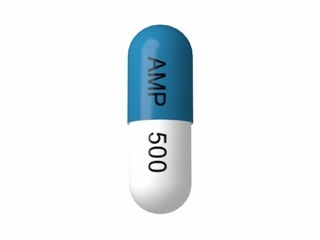
| Available Forms & Strengths |
|
| Manufacturers (Australia) | Sandoz, DBL (Hospira), Sigma Pharmaceutical, Apotex |
| Prescription Status | Prescription Only Medicine (Schedule 4, S4) |
Mechanism of Action
Simplified Explanation: Ampicillin belongs to the penicillin group of antibiotics. It works by stopping the growth and spread of certain bacteria in your body. The medicine attacks the bacteria's cell wall, weakening it so the bacteria burst and die. This helps your immune system clear the infection more easily.
For Specialists: Ampicillin is a beta-lactam antibiotic that inhibits synthesis of the bacterial cell wall by binding to penicillin-binding proteins (PBPs). This disrupts cross-linking of peptidoglycan chains, resulting in cell lysis during active multiplication. Ampicillin is mainly bactericidal, with activity against various Gram-positive and some Gram-negative organisms.
Pharmacokinetics
- Absorption: Ampicillin is moderately well absorbed from the gastrointestinal tract. Oral bioavailability is approximately 40%. The presence of food may reduce absorption.
- Distribution: It distributes well into most body tissues and fluids, including bile, synovial, pericardial, and pleural fluids.
- Metabolism: Minimal hepatic metabolism. Most of the drug remains unchanged in the body.
- Elimination: Primarily eliminated via the kidneys. About 70-80% excreted in urine within 6–8 hours; some via bile.
- Duration of Action: Typically 4–6 hours. Requires dosing up to four times a day to maintain therapeutic levels.
Use in Everyday Life and Best Practices
Ampicillin (Acillin) is usually taken to treat various mild to moderately severe bacterial infections. Before using, consult your GP or pharmacist to ensure suitability and safe use.
- Always take as prescribed; do not skip doses.
- Capsules should be taken with a full glass of water.
- Finish the entire prescribed course, even if you feel better before it's finished, to prevent resistance.
- If you miss a dose, take it as soon as possible unless it's almost time for your next planned dose. Do not double up doses.
- Store capsules at room temperature, away from moisture and heat; oral suspension should be refrigerated and used within 7 days.
Typical adult doses for oral use are between 250 mg and 500 mg every 6 hours, depending on the infection and doctor's advice.
Dosing: Morning vs Evening
- Ampicillin is usually taken multiple times a day (every 6 hours) for best effect, keeping drug levels steady in your body.
- Advantages of regular times: Reduces chances of missing doses and helps maintain effective levels.
- There is no current evidence supporting better outcomes with morning or evening dosing—timing should suit your routine so you remember your doses.
- For best results, take at evenly spaced intervals (e.g., 7am, 1pm, 7pm, 1am, if dosing four times daily).
Taking with Food or on an Empty Stomach
It is best to take ampicillin on an empty stomach (about 30–60 minutes before, or 2 hours after, meals). Food can reduce absorption and make the medicine less effective.
- If you accidentally take ampicillin with food, absorption may be reduced but you should still continue with your next dose as scheduled.
- Common English/Australian meals may delay absorption; try to establish a dosing routine that avoids main meal times.
- Follow your doctor’s instructions; if food upsets your stomach, discuss with your GP whether slight timing adjustments are suitable for you.
Interaction Warnings
| Interacting Substance | Effect | Recommendation |
|---|---|---|
| Food | May decrease absorption | Take on an empty stomach |
| Alcohol | No major direct interaction, but can worsen side effects (e.g., stomach upset) | Limit or avoid alcohol while taking ampicillin |
| Oral contraceptives | Possible reduction in effectiveness (rare, but report any unusual bleeding) | Consider an additional contraceptive method |
| Allopurinol | Higher risk of skin rash | Monitor; inform GP if rash develops |
| Other antibiotics (tetracyclines, chloramphenicol) | May interfere with ampicillin’s effectiveness | Avoid unless prescribed by your doctor |
| Anticoagulants (warfarin, etc.) | May affect blood clotting | More frequent monitoring of blood tests |
Indications (When Is Ampicillin Used?)
| Indication | Use (Official / Off-Label) |
|---|---|
| Respiratory tract infections (pharyngitis, sinusitis, bronchitis, pneumonia) | Official |
| Urinary tract infections (UTI) | Official |
| Gastrointestinal infections (e.g., Salmonella, Shigella) | Official |
| Ear, Nose, Throat infections (otitis media, tonsillitis) | Official |
| Skin and soft tissue infections | Official |
| Bacterial meningitis | Official, with other antibiotics |
| Listeria monocytogenes infection | Official |
| Endocarditis (in combination) | Official |
| Prophylaxis in certain surgical procedures | Off-label / Specialist use |
| Helicobacter pylori eradication | Off-label (rarely used) |
Dosing According to Clinical Indication
| Population | Common Indication | Typical Dose | Duration |
|---|---|---|---|
| Adults | Respiratory/UTI/ENT infections | 250–500 mg every 6 hours (oral) | 7–14 days as directed |
| Children (over 1 month) | Respiratory/UTI/ENT infections | 25–50 mg/kg/day in divided doses every 6 hours (oral) | 5–10 days |
| Infants (under 1 month) | Bacterial infections | Up to 100 mg/kg/day (parenteral), divided | As per hospital policy |
| Elderly | Same as adults; monitor renal function for dose adjustment | 250–500 mg every 6 hours (oral or IV), adjust for renal impairment | 7–14 days |
Note: Your doctor may adjust your dose according to your clinical condition, kidney function, and other factors.
Safety Profile and Side Effects
| Side Effect | Frequency | Action/Recommendation |
|---|---|---|
| Diarrhoea, loose stools | Common (up to 10%) | Maintain hydration; consult GP if severe or persistent |
| Skin rash, itching | Common (up to 10%) | Report to GP; stop the medicine if severe |
| Nausea, vomiting, abdominal pain | Occasional (1–5%) | Take medicine on an empty stomach; inform GP if troublesome |
| Allergic reactions (hives, swelling, difficulty breathing) | Rare (<1%) | Seek urgent medical help |
| Clostridioides difficile infection (antibiotic-associated colitis) | Very Rare | Report bloody diarrhoea or persistent pain to doctor immediately |
| Liver enzyme elevation, hepatitis | Very Rare | Liver tests if symptomatic |
- Special Warnings: Do not use ampicillin if you have a known allergy to penicillins or cephalosporins. Always inform your pharmacist or doctor about previous drug allergies.
- Notify your GP of severe side effects or if you suspect a serious allergic reaction (difficulty breathing, swelling, severe rash).
Guidelines for Proper Use
- Take medicine exactly as prescribed. Do not skip doses or stop early to avoid relapses or resistance.
- Check the expiry date before use.
- Shake oral suspension medicine well before use and refrigerate once made up; discard unused portions after 7 days.
- Complete your full course of treatment, even if you feel better.
- If you experience rash, difficulty breathing, wheezing, or swollen lips/tongue, stop taking ampicillin and seek urgent medical attention.
- Let your pharmacist/GP know if you are pregnant, planning to become pregnant, or breastfeeding; ampicillin is generally considered safe but they may provide additional advice.
- Always inform your doctor or pharmacist about all other medicines and supplements you’re taking to check for possible interactions.
- Keep out of reach of children.
Alternative Treatment Options
- Amoxicillin: A similar penicillin antibiotic, often preferred due to better oral absorption and convenient dosing; covered under the PBS. Preferred for many typical infections.
- Cefalexin: A cephalosporin available under PBS; suitable for those allergic to penicillin, with GP guidance.
- Macrolides (e.g., Azithromycin, Clarithromycin): Used for penicillin-allergy or specific bacteria; less likely to cause allergy in penicillin-allergic patients.
- Nitrofurantoin: First-choice for uncomplicated urinary tract infection in Australia; prescribed under PBS for suitable patients.
- Ciprofloxacin or other fluoroquinolones: Reserved for certain infections; not first-line for most common conditions due to resistance and side effect profile.
Choice of alternative depends on infection, allergies, and local resistance patterns; your GP or pharmacist will advise the best option for your needs.
Legal, Registration, and Reimbursement Status in Australia
- Regulation: Registered with the Therapeutic Goods Administration (TGA, Department of Health Australia).
- Prescription Status: Schedule 4 (S4), prescription-only medicine.
- Reimbursement: Ampicillin is listed under the Pharmaceutical Benefits Scheme (PBS) for specific clinical indications; check with your dispensing pharmacy for PBS eligibility.
- Subsidised alternatives: Amoxicillin, cefalexin, nitrofurantoin, and other antibiotics are also PBS-listed for appropriate cases.
Latest Research and Clinical Guidance (2022–2025)
- 2022–2024 guidelines from the Australian Therapeutic Guidelines recommend ampicillin as first-line for Listeria monocytogenes and as part of combination therapy for neonatal meningitis and some hospital-acquired infections (Therapeutic Guidelines Australia).
- For most routine infections (respiratory, UTI, ENT), amoxicillin is recommended over ampicillin due to improved oral absorption and patient adherence (Australian Prescriber, 2023).
- Bacterial resistance to ampicillin is rising among some urinary and respiratory pathogens; culture and susceptibility testing is increasingly recommended prior to prescription (NHMRC, 2023).
- Latest systematic reviews confirm safety in pregnancy and breastfeeding, supporting continued use when indicated (BMJ Open, 2024).
Availability and Delivery
| Pack Size | Form | Indicative PBS Price (AUD) | Delivery Time (Metro/Regional/Rural) |
|---|---|---|---|
| 24 capsules | 250 mg, oral | $6.60 (PBS, concessional rate) | 1 day / 2–3 days / 3–5 days |
| 24 capsules | 500 mg, oral | $6.60 (PBS, concessional rate) | 1 day / 2–3 days / 3–5 days |
| 100 mL bottle (suspension) | 125 mg/5 mL | $7.50 (PBS) | 1 day / 2–3 days / 3–5 days |
| 1 vial | 1 g, injection | $12.00 (private) | Hospital supply, direct from pharmacy (in stock) |
Most major cities (Sydney, Melbourne, Brisbane, Perth, Adelaide) offer same- or next-day pharmacy delivery. Regional and rural delivery times vary by carrier.
Frequently Asked Questions (FAQs)
- Can I drink alcohol while taking ampicillin?
It's best to avoid alcohol while taking ampicillin, as alcohol may worsen side effects such as stomach upset. There are no direct dangerous drug interactions, but moderation or avoidance is advised. - What should I do if I miss a dose?
Take the missed dose as soon as you remember, unless it's close to the time for your next scheduled dose. Don't double up; continue as prescribed. Contact your GP if you miss several doses. - Why do I need to finish the entire course, even if I feel better?
Completing the full course helps to ensure the infection is completely cleared and reduces the risk of antibiotic resistance. - Is ampicillin safe during pregnancy or breastfeeding?
Yes, extensive research supports its safety in pregnancy and while breastfeeding, but always consult your GP for personal advice. - What should I do if I experience a rash or allergic reaction?
Stop taking ampicillin immediately and seek urgent medical advice, especially if symptoms include difficulty breathing or swelling.
For any further information, consult your pharmacist or GP, or visit the Therapeutic Goods Administration (TGA) website for approved product details.