Noroxin (Norfloxacin): Comprehensive Patient Information for Australia
Basic Product Information
| International Non-Proprietary Name (INN) | Norfloxacin |
|---|---|
| Australia Brand Names | Noroxin (commonly), Quinsair, others (availability may vary) |
| ATC Code | J01MA06 |
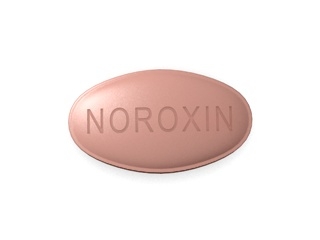
| Available Forms and Strengths | Oral tablets (400 mg most common in Australia) |
| Manufacturers | Merck Sharp & Dohme (Australia) Pty Ltd, and other generic manufacturers |
| Prescription Status | Prescription-only (S4 medication in Australia) |
Mechanism of Action
For Patients: Noroxin works by killing or stopping the growth of certain bacteria that cause infections. It is part of a family of antibiotics called "fluoroquinolones", which are especially effective against many bacteria found in the urinary tract and digestive system.
For Specialists: Norfloxacin acts by inhibiting bacterial DNA gyrase (topoisomerase II) and topoisomerase IV, enzymes required for DNA replication, transcription, repair, and recombination. This action prevents cell division and leads to rapid bacterial cell death. Norfloxacin is bactericidal, with a broad spectrum of activity, especially against Gram-negative pathogens.
Pharmacokinetics
- Absorption: Oral bioavailability is about 30–40%. Peak blood levels occur 1–2 hours after dosing.
- Metabolism: Minimally metabolised in the liver; most remains unchanged.
- Elimination: Approximately 30–40% excreted unchanged in urine within 24 hours; also excreted in faeces.
- Half-life: About 3–4 hours in healthy adults; may be higher in elderly and in renal impairment.
- Duration of Action: Allows for 12-hourly (“twice daily”) dosing in most cases.
Use in Everyday Life and Best Practices
Noroxin is prescribed for several types of infections, most commonly uncomplicated or complicated urinary tract infections (UTIs), certain prostate infections (chronic bacterial prostatitis), and some gastrointestinal infections such as traveller's diarrhoea. It may also be used off-label for other indications on clinical advice.
- Take Noroxin exactly as your doctor or pharmacist prescribes. “Twice daily” means around every 12 hours; it is best taken at similar times each day.
- Swallow the tablets whole with a full glass of water.
- Stay well hydrated during treatment. This helps reduce kidney side effects.
- If you miss a dose, take it as soon as you remember, unless it is nearly time for your next dose. Do not double up.
- Finish the entire course, even if you feel better, to prevent the infection returning or bacteria becoming resistant.
- Keep your medication in a cool, dry place out of direct sunlight, and away from children.
Dosing in the Morning vs Evening
- Morning: Helps you remember to take the medication, and may reduce risk of insomnia (rare side effect).
- Evening: Acceptable, but should be 12 hours apart from the morning dose if prescribed twice daily.
- Regularity is more important than exact timing. Try to stick to your chosen times each day (e.g., 8 am & 8 pm).
- If you experience difficulty sleeping, try taking the second dose in late afternoon rather than late at night.
Taking Norfloxacin With Food or on an Empty Stomach
- Noroxin is best taken at least 1 hour before or 2 hours after meals. Food (especially dairy) may reduce absorption.
- Avoid taking it with milk, yoghurt, or calcium-fortified juices at the same time, as these can reduce the amount your body absorbs.
- If you typically eat cereal or yoghurt for breakfast (common in the UK), consider timing your dose before eating or several hours afterwards.
- Take with water, not tea, coffee, or juice.
Interaction Warnings
| Interaction Type | Examples | Advice |
|---|---|---|
| Food | Dairy products, antacids, calcium-fortified foods | Take Noroxin at least 2 hours before or after these foods to maximise absorption. |
| Alcohol | Beer, wine, spirits | Alcohol is not specifically contraindicated but can worsen side effects like dizziness. Moderate consumption is safest. |
| Medications | Antacids, iron or zinc supplements, sucralfate, theophylline, non-steroidal anti-inflammatories (NSAIDs), warfarin | Separate from Noroxin by several hours where possible. Some medicines may increase the risk of tendon, CNS, or blood glucose side effects — tell your doctor about ALL medicines you take. |
| Other | Caffeine, corticosteroids, diabetes medications | Discuss with your doctor before starting Noroxin if you are on these medicines. |
Indications
| Approved Indications | Off-Label/Other Uses |
|---|---|
|
|
Dosing According to Clinical Indication
| Population | Common Indications | Usual Dose | Duration |
|---|---|---|---|
| Adults | UTI, prostatitis | 400 mg orally every 12 hours | UTI: 3–7 days; Prostatitis: 4–6 weeks |
| Adults | Travel-related diarrhoea | 400 mg orally every 12 hours | 1–3 days (max 5 days) |
| Elderly | All indications | Same as adults, but monitor kidney function and adjust if required | As above |
| Children | Not routinely recommended (except in rare specialist cases) | Consult specialist | — |
| Renal impairment | UTI, prostatitis | 400 mg every 24 hours (if eGFR < 30 mL/min) | As above — adjust as directed by prescriber |
Safety Profile and Side Effects
Most people tolerate Noroxin well, but like all medications, side effects can occur. If you are concerned, speak to your pharmacist or doctor.
| Frequency | Side Effect Examples | Advice/Action Needed |
|---|---|---|
| Common (1–10%) | Feeling sick (nausea), headache, diarrhoea, dizziness, sleep trouble, rash, abdominal pain | If mild, usually settles. Report if severe or persistent. |
| Uncommon (<1%) | Increased liver enzymes, joint/muscle pain, sensitivity to sunlight, agitation | Protect skin from sun; report to your doctor if bothersome. |
| Rare (<0.1%) | Tendon inflammation/rupture (especially Achilles), severe allergic reaction (swelling, trouble breathing), hallucinations, fits, low blood sugar (in diabetes) | Seek immediate medical help for tendon pain/swelling, allergic reaction, severe confusion, or fits. |
Guidelines for Proper Use (Australia Context)
- Always take as prescribed. Complete the full course — even if you feel better after a few days.
- Ask your pharmacist about the risk of sunburn; use sunscreen and wear a hat when outdoors.
- Avoid driving or operating machinery if you feel dizzy or confused.
- Tell your doctor if you have kidney problems, have ever had seizures, tendon disorders, or if you are pregnant or breastfeeding.
- Return any unused tablets to your local pharmacy for correct disposal — do not throw away in household rubbish.
- If you experience tendon pain or swelling (back of the ankle, shoulder, hands) stop the medicine and see your doctor quickly.
- This medicine is not suitable for children or teenagers except when clearly advised by a specialist.
Alternative Treatment Options
- Trimethoprim: Common first-line for uncomplicated UTI; well tolerated; rare risk of allergic reactions.
- Amoxicillin + Clavulanic Acid: Broader spectrum but may cause gastrointestinal upset; suitable for some resistant infections.
- Cefalexin: Used for UTI and some respiratory infections; generally well tolerated.
- Nitrofurantoin: For lower urinary tract infections; not suitable for people with poor kidney function.
- Fosfomycin: Newer option, single-dose for some UTIs.
Norfloxacin is usually reserved for more resistant or complicated infections, where these first-line options are unsuitable or ineffective. Pros of norfloxacin include a broad spectrum and twice-daily dosing; cons include uncommon risk of tendinitis/rupture and stronger restrictions to certain patient groups.
Legal, Registration, and Reimbursement Status in Australia
- Registered with the Australian Register of Therapeutic Goods (ARTG).
- Legal status: Prescription only (S4). Supply is strictly regulated and requires a valid prescription from a doctor.
- PBS (Pharmaceutical Benefits Scheme): Noroxin is generally not listed for simple UTIs and may not be PBS-subsidised for all indications. Check with your pharmacist or prescriber for up-to-date status.
- Not recommended in pregnancy or for children except under specialist advice.
- Regulated and monitored by the Therapeutic Goods Administration (TGA).
Latest Research and Clinical Guidance (2022–2025)
- Recent English and international guidelines (NICE, EMA, TGA updates) recommend limiting fluoroquinolones, including norfloxacin, to situations where safer alternatives are unsuitable because of potential side effects.
- Large reviews (2022–2024) highlight increased risk of tendonitis/rupture, especially in elderly, athletes, and in those using corticosteroids (e.g., BMJ 2023; NICE 2022).
- Norfloxacin is being replaced in many settings by other narrower-spectrum agents. Its use in the UK and Australia is now largely limited to resistant Gram-negative infections when first-line options have failed.
- The TGA and EMA continue to update warnings; for updated consumer medicine information, visit www.tga.gov.au.
Availability and Delivery
| Pack Size | Typical Retail Price* | Delivery Time (Sydney) | Delivery Time (Melbourne) | Delivery Time (Brisbane) | Delivery Time (Perth) | Delivery Time (Adelaide) |
|---|---|---|---|---|---|---|
| 14 tablets (400 mg) | $18–$28 | 1–2 days | 1–2 days | 1–2 days | 2–4 days | 1–3 days |
| 28 tablets (400 mg) | $35–$50 | 1–2 days | 1–2 days | 1–2 days | 2–4 days | 1–3 days |
*Prices vary by pharmacy, region, and are indicative as of June 2024. Delivery estimates exclude rural remote areas and depend on stock.
Frequently Asked Questions (FAQ)
1. Can I take Noroxin if I am pregnant or breastfeeding?
No. Norfloxacin is generally not recommended for use during pregnancy or breastfeeding, as it may affect the baby’s development. Always inform your doctor if you are pregnant or planning a pregnancy.
2. What should I do if I experience tendon pain or swelling while taking Noroxin?
Stop taking Noroxin and contact your doctor immediately. Tendon problems can be serious but are rare. Prompt action can prevent further injury.
3. Can I take Noroxin with my regular medications?
Some medicines, such as antacids, iron, zinc, warfarin, and certain diabetes and epilepsy medicines, may interact with Noroxin. Always inform your pharmacist about all medicines and supplements you are taking.
4. What happens if I miss a dose?
Take the missed dose as soon as you remember, unless it is nearly time for your next dose. Do not take two doses at once. If you are unsure, check with your pharmacist.
5. Is Noroxin safe to use in the elderly?
Yes, but it should be used with extra caution, especially in those with kidney problems or who are taking corticosteroids or have tendon issues. Dose adjustment may be required.
For further information, speak to your doctor or pharmacist, or visit the Therapeutic Goods Administration (TGA).