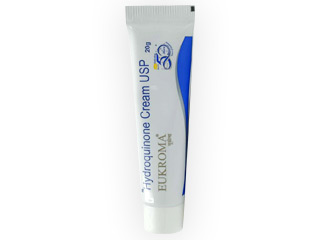
Hydroquinone Cream in Australia: Patient-Friendly Guide
Basic Product Information
| International Nonproprietary Name (INN) | Hydroquinone |
|---|---|
| Australia Brand Names | Eldoquin, Melalite, Lustra, and various compounded chemist brands |
| Anatomical Therapeutic Chemical (ATC) Code | D11AX11 |
| Available Forms & Strengths | Topical cream – 2%, 4% concentrations (other compounded strengths available on prescription) |
| Manufacturers | Obagi, Galderma, EGO Pharmaceuticals, compounding pharmacies across Australia |
| Prescription Status | Prescription Only Medicine (Schedule 4 medication in Australia) |
Mechanism of Action
For patients: Hydroquinone is a skin-lightening medicine used to reduce the appearance of dark patches, age spots, and certain conditions like melasma. It works by slowing down the production of melanin, the natural pigment that gives your skin its colour. By doing this, hydroquinone can make dark spots become less noticeable over time.
For specialists: Hydroquinone acts as a competitive inhibitor of the enzyme tyrosinase, which is essential for melanogenesis. It also affects the metabolic conversion of tyrosine to melanin within melanocytes. This leads to decreased production and increased degradation of melanosomes, thus reducing hyperpigmentation.
Pharmacokinetics
- Absorption: Minor systemic absorption can occur, especially when applied to large areas or broken skin. Absorbed amount is typically minimal with correct use.
- Metabolism: Once absorbed, hydroquinone is metabolised in the liver to glucuronide and sulphate conjugates.
- Elimination: Excreted mainly by the kidneys as metabolites; minimal amounts are eliminated in urine.
- Duration of Action: Clinical changes may be observed within 4–8 weeks of consistent use, but maximum effects may take several months.
Use in Everyday Life and Best Practices
Hydroquinone cream is generally used to treat undesired dark patches (hyperpigmentation) caused by sun damage, hormonal changes, or inflammation. In Australia, it is typically prescribed for:
- Melasma (hormonal hyperpigmentation)
- Lentigines (age or liver spots)
- Freckles
- Post-inflammatory pigmentation (e.g., after eczema or acne)
- Certain other causes of dark patches, as recommended by a dermatologist
Typical doses: A thin layer of cream is applied directly to the affected area once or twice daily. It is best to use on clean, dry skin and only on the regions your healthcare provider has recommended.
Best practices in Australia: Always perform a patch test before starting treatment. Given Australia’s harsh UV conditions, consistent use of sunscreen (SPF 50+) is strongly recommended, as skin becomes more sensitive to sun. Avoid the eye area and mucous membranes. Hands should be washed thoroughly after application.
Dosing in the Morning vs Evening
- Morning dosing: Not recommended unless sunscreen is applied directly over the treated area; sunlight may worsen pigmentation or cause irritation.
- Evening dosing: Preferred; allows the active ingredient to work overnight without exposure to sun. Reduces risk of side effects and improves effectiveness.
- Tip: Try to apply at the same time each evening to build a routine.
Taking with Food or on an Empty Stomach
Hydroquinone is a topical treatment and does not enter the digestive tract, so it is not affected by meals. However, avoid applying just after washing your face with hot water or after using products containing alcohol, retinoids, or strong acids, as this can increase irritation. Given classic Australian diets are rich in outdoor activities, use sun protection with hats and SPF creams, remembering Hydroquinone can make your skin more sensitive to sunlight.
Interaction Warnings
| Interaction | Advice |
|---|---|
| Other skin-lightening agents (kojic acid, arbutin) | May increase risk of skin irritation; use under clinical guidance only. |
| Topical retinoids (tretinoin, adapalene) | Can improve penetration of hydroquinone but also heighten irritation; use only if directed by your doctor. |
| Products with alcohol or astringents | Increase risk of dryness and skin reactions. Avoid or use with caution. |
| Scrubs and exfoliants | May irritate the skin. Avoid frequent use while on hydroquinone therapy. |
| Alcohol (drinking) | Unlikely to interact, but always discuss with your pharmacist if on other medications. |
| Other medicines | Inform your pharmacist/doctor if you use steroid creams or any other topical prescriptions. |
Indications
| Official Indications (TGA approved) | Off-label Uses |
|---|---|
|
|
Dosing According to Clinical Indications
| Population | Indication | Typical Dose |
|---|---|---|
| Adults | Melasma, lentigines, post-inflammatory hyperpigmentation | Apply a thin layer to affected area once or twice daily for up to 6 months; review at 2-3 monthly intervals. |
| Paediatrics (16+ years; not recommended under 12 years) | Severe post-inflammatory pigmentation | Apply as directed by specialist, usually once daily. Do not use in children under 12 years unless on specialist advice. |
| Elderly | Age spots, melasma | Same as adult dosing; monitor for thinning or fragile skin and adjust as needed. |
Safety Profile and Side Effects
| Frequency | Side Effect | Comments/Advice |
|---|---|---|
| Common (1-10%) | Redness, mild burning/stinging, itching, dryness | Usually mild/transient; stop using if severe |
| Uncommon (0.1-1%) | Allergic contact dermatitis, darkening of skin (paradoxical) | Report promptly; discontinue if worsening occurs |
| Rare (<0.1%) | Ochronosis (bluish-black discolouration with prolonged use), sensitivity reactions, scarring | Most likely with inappropriate prolonged use or use on large areas; see doctor if you notice unusual skin changes |
Guidelines for Proper Use
- Apply only to the small, specifically affected areas, not to the whole face or body.
- Wash hands before and after application.
- Do not use on inflamed, broken, or sunburnt skin.
- Discontinue use if severe irritation, redness, or persistent itching occurs.
- Always combine with a broad-spectrum SPF 50+ sunscreen during the day.
- Store below 25°C and out of reach of children.
- Do not use continuously for more than 6 months without medical supervision.
- Attend regular follow-ups with your healthcare provider or dermatologist to monitor response and side effects.
Alternative Treatment Options
- Azelaic acid (Finacea, Skinoren): Suitable for melasma, with fewer side effects, but can require longer to see results. PBS listed for specific conditions.
- Kojic acid: Over-the-counter ingredient used in certain cosmeceuticals; less potent than hydroquinone.
- Topical retinoids (tretinoin): Often used in combination, they can target acne as well as pigmentation, but may cause irritation.
- Vitamin C serums: Help brighten skin; may be used in combination regimens.
- Laser therapy and chemical peels: Procedural options, offered by dermatology clinics for resistant cases.
- Tranexamic acid (oral/topical): Emerging option for melasma, must be used under specialist supervision.
Each alternative has specific advantages and limitations. Azelaic acid is often preferred for sensitive skin or during pregnancy, but may be slower to act. Laser treatments offer rapid results but are costlier and best for lighter skin types.
Legal, Registration, and Reimbursement Status in Australia
- Regulated by the Therapeutic Goods Administration (TGA).
- Available only by prescription (Schedule 4 medicine).
- Hydroquinone products above 2% are not available as pharmacy-only or over-the-counter items in Australia.
- Not currently reimbursed by the Pharmaceutical Benefits Scheme (PBS), so costs are private unless obtained through hospital supply for specific rare indications.
- Compounded preparations can be dispensed based on a valid prescription from registered pharmacists.
Latest Research and Clinical Guidance (2022–2025)
Recent studies continue to validate hydroquinone’s efficacy as the gold standard for managing pigmentation conditions such as melasma and post-inflammatory hyperpigmentation (see: Australasian Journal of Dermatology 2023, "Algorithm for Topical Melasma Management"; British Journal of Dermatology 2022, "Hydroquinone safety in long-term use"). Well-designed trials highlight the benefit of combination regimens, particularly short-term use with retinoids and steroids (triple therapy) to maximise effectiveness while managing side effects. Australian dermatology societies recommend maximal duration of continuous use for 6 months, with regular monitoring and emphasis on sun protection. New research points to the risk of exogenous ochronosis with misuse, reinforcing the need for doctor supervision.
Availability and Delivery Information
| Strength | Pack Size | Indicative Private Price Range | Typical Delivery Times (Sydney / Melbourne / Brisbane / Perth / Adelaide) |
|---|---|---|---|
| 2% | 30g tube | AU$35–50 | 1–2 working days (Eastern states), up to 3–4 days (WA) |
| 4% | 30g tube | AU$50–90 | 1–2 working days (Eastern states), up to 3–4 days (WA) |
| Compounded | 15–100g (custom) | AU$40–120 (varies by formula) | 1–2 days (nearby city); add 1–2 days for regional/rural |
Delivery times may vary with public holidays or remote locations. Express delivery options are widely available via pharmacy online and click & collect systems in metro areas. Please note a valid prescription is required at the time of order.
FAQ: Common Patient Questions
1. How long does it take for hydroquinone to work?
Most patients notice lightening of dark spots within 4–8 weeks, but full results may take 2–4 months. Consistency and sun protection are essential.
2. Can I use hydroquinone if I am pregnant or breastfeeding?
Its use is generally not recommended during pregnancy or breastfeeding in Australia. Talk to your doctor or pharmacist about safer alternatives, such as azelaic acid.
3. Is it safe to use hydroquinone with my other skincare products?
Hydroquinone can interact with some skincare ingredients such as retinoids, exfoliants, and alcohol-based products, which may increase irritation. Always discuss your full skincare routine with your doctor or pharmacist.
4. What should I do if I experience redness or irritation?
Mild irritation may occur, especially at the start. Try reducing frequency to every other night. If severe redness, swelling, or blistering develops, stop using the product and consult your healthcare provider.
5. Do I still need to use sunscreen while on hydroquinone therapy?
Yes. Sunscreen (SPF50+) is mandatory while on hydroquinone, as your treated skin becomes more sensitive to UV exposure, which could worsen pigmentation if left unprotected.