

Fluorouracil (5-FU): Patient Information for Australia
Basic Product Information
| International Nonproprietary Name (INN) | Fluorouracil |
|---|---|
| Australia Brand Names | Efudix®, Carac®, Adrucil®, others |
| Anatomical Therapeutic Chemical (ATC) Code | L01BC02 |
| Available Forms & Strengths |
|
| Manufacturers (AU) | iNova Pharmaceuticals, Accord Healthcare, Pfizer Australia, others |
| Prescription Status | Prescription Only Medicine (Schedule 4) |
Mechanism of Action
For Patients: Fluorouracil is a type of medicine known as an antimetabolite. It works by interfering with the growth of abnormal and cancerous cells, stopping them from multiplying. This helps to control and treat certain cancers and precancerous skin conditions.
For Specialists: Fluorouracil is a pyrimidine analog that inhibits thymidylate synthase, essential for DNA synthesis, and is incorporated into RNA, disrupting its function. Its cytotoxic effects are cell-cycle specific, primarily S-phase. It is active against rapidly dividing cells.
Pharmacokinetics
- Absorption: After IV/SC/IM administration, fluorouracil is rapidly distributed; topical application results in negligible systemic absorption.
- Metabolism: Mainly metabolised in the liver by dihydropyrimidine dehydrogenase (DPD). Patients with DPD deficiency are at increased risk of severe toxicity.
- Elimination: Mostly excreted as CO2 through the lungs (respiratory route), with a small amount through urine.
- Duration of Action: Plasma half-life is about 8–20 minutes, but clinical effects may last several hours or days due to action on DNA/RNA synthesis.
Use in Everyday Life and Best Practices
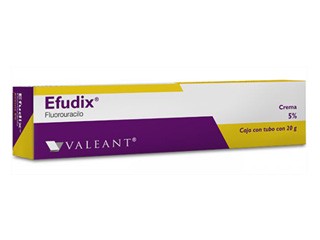
Fluorouracil is used in both hospital and community settings across Australia. It may be prescribed as an injection (hospital/clinic) for cancer treatment, or as a topical cream (Efudix®) for skin conditions.
Cream: Typically applied to affected areas once or twice daily. Treatment courses last 2–4 weeks for superficial skin lesions.
Injection: Given by healthcare professionals for various cancers (colorectal, breast, stomach, etc.), in cycles.
Best practice tips:
- Use exactly as prescribed—do not exceed recommended dose or duration.
- Wash hands before and after using cream, avoid contact with healthy skin, eyes, or mucous membranes.
- Keep treated skin protected from sunlight—wear hats, sunscreen, or protective clothing.
- Dispose of application materials as advised.
Dosing: Morning vs. Evening
- Cream (Efudix®): Applying in the morning allows for observation of adverse reactions throughout the day (redness, irritation). However, for practical reasons or to avoid sunlight, some patients may apply in the evening. Consistency is key—apply at the same time each day.
- Injection: Time of day determined by the hospital schedule.
Tip: If using twice daily, space doses evenly (e.g., 8 am and 8 pm).
Taking with Food or on an Empty Stomach
- Injection: Not applicable, given by healthcare professionals regardless of meal times.
- Cream: Food has no effect on topical application, but avoid applying immediately before cooking or eating to prevent contamination.
- Australian Dietary Context: No specific restrictions. Maintain a balanced diet as recommended by your healthcare provider.
Interaction Warnings
| Substance | Interaction | Recommendation |
|---|---|---|
| Alcohol | May worsen skin irritation with topical use (flushing, redness). | Moderate consumption; avoid alcohol on treated areas. |
| Phenytoin | Increased phenytoin levels (toxicity risk) | Monitor levels if co-administered |
| Anticoagulants (warfarin, etc.) | Enhanced risk of bleeding | Frequent INR checks |
| Live vaccines | Weakened immune system may increase infection risk | Avoid live vaccines during treatment |
| Cimetidine | May alter fluorouracil blood levels | Monitor for toxicity |
| Folinic acid (leucovorin) | Potentiates activity and side effects | Dose adjustments may be required |
Natural supplements/vitamins: Inform your doctor about all supplements. Some may interact or influence absorption and effectiveness.
Indications
| Condition | Form | Status |
|---|---|---|
| Actinic keratosis, Bowen’s disease | Cream | Approved |
| Superficial basal cell carcinoma (non-invasive) | Cream | Approved |
| Colorectal cancer | Injection/IV | Approved |
| Gastric, breast, pancreatic cancer | Injection/IV | Approved/off-label |
| Palliative care for multiple cancers | Injection/IV | Approved/off-label |
Dosing According to Clinical Indications
| Indication | Age Group | Recommended Dose | Notes |
|---|---|---|---|
| Actinic keratosis, Bowen’s disease | Adults/elderly | Apply thinly once or twice daily to affected area for 2–4 weeks | Do not exceed prescribed duration |
| Superficial BCC | Adults/elderly | Apply once or twice daily for 3–6 weeks | Restricted to lesions <2cm |
| Colorectal cancer (IV) | Adults | 370–425 mg/m² IV daily for 5 days or as part of a combination regimen | Cycles every 4 weeks |
| Gastric/breast/pancreatic cancer (IV) | Adults | As per hospital protocol (commonly 500mg/m² IV weekly) | In combination with other agents |
| Pediatric use | Children | Rare and only under specialist teams | Paediatric doses are highly individualised |
| Elderly/renal impairment | Elderly | May require dose reduction/monitoring | Monitor for toxicity |
Safety Profile & Side Effects
While effective, fluorouracil may cause side effects. Contact your doctor if you notice any severe or persistent symptoms.
| Type | Side Effect | Frequency/Severity | Action |
|---|---|---|---|
| Common (topical) | Redness, irritation, flaking, crusting, photosensitivity, soreness | Common; mostly mild/moderate | Usually manageable; report if severe |
| Common (systemic/IV) | Nausea, diarrhoea, mouth sores, fatigue, hair loss, mild blood changes | Common; varies with dose/schedule | Supportive care; inform clinic if concerned |
| Serious (rare) | Bone marrow suppression, severe infection, allergic reaction, cardiac toxicity (chest pain) | Rare but can be life-threatening | Seek urgent care |
| Specific risks | DPD enzyme deficiency – severe, life-threatening toxicity | Very rare | Pre-testing may be considered |
Guidelines for Proper Use (Australia)
- Store cream below 25°C, protected from light and out of reach of children.
- If using the cream, wash and dry your hands and the affected area first. Wear gloves if possible.
- Topical courses are short (2–6 weeks); do not use longer unless instructed.
- If you miss a dose, apply as soon as remembered—but skip if almost due for the next application.
- Avoid sun exposure of the treated area; use sunscreen/clothing as appropriate in the Australian climate.
- Follow-up: attend regular checks as advised. Images of treatment progress may be requested for remote review.
- For injections: Always report any fever, mouth ulcers, bleeding, or signs of infection.
- Do not share this medication, even with someone with similar symptoms.
Alternative Treatment Options
- Imiquimod (Aldara®): Used for actinic keratosis, superficial BCC; acts via immunomodulation. Pros: Less irritation, self-applied. Cons: Longer course, possible local reactions.
- Photodynamic therapy: Especially for multiple actinic keratoses or superficial BCC. Pros: Non-invasive. Cons: May require specialist clinic, sun protection afterwards.
- Cryotherapy: Destruction by freezing—quick, in-office. Pros: Rapid results. Cons: Not suitable for large/field lesions.
- Surgical excision: For invasive cancers. Pros: Complete removal. Cons: More invasive, risk of scarring.
- Other topical agents: Diclofenac, ingenol mebutate (not always PBS reimbursed).
For internal cancers, alternatives depend on cancer type and stage: Capecitabine (oral prodrug of 5-FU), oxaliplatin-based regimens, targeted therapies. Discuss options with your oncologist.
Legal, Registration, and Reimbursement Status in Australia
- Registered with the Therapeutic Goods Administration (TGA) for relevant indications.
- Prescription only; not available over-the-counter.
- Subsidised under the Pharmaceutical Benefits Scheme (PBS) for approved indications (certain cancers, actinic keratosis, superficial BCC).
- Access to hospital and community pharmacy dispensing depending on indication.
Latest Research and Clinical Guidance (2022–2025)
- 2023, Medical Journal of Australia: Efficacy of field therapy for multiple actinic keratoses with fluorouracil is well-supported; combination with calcipotriol may improve clearance rates.
- Australian Cancer Council Guidelines 2024: Capecitabine (oral) is now preferred for some metastatic cancers, but IV fluorouracil remains mainstay in multi-drug regimens.
- DPD testing: Pre-treatment DPD screening is increasingly recommended before starting systemic 5-FU therapies to reduce life-threatening toxicity risk.
- References:
- Janda M et al. “Topical fluorouracil for actinic keratosis: Updated consensus.” Med J Aust 2023;218(2):95–102.
- Cancer Council Australia. Clinical Guidelines: Keratinocyte Cancer, 2024.
- Australian Prescriber. "Safety of fluoropyrimidines: DPD deficiency screening," 2023.
Availability and Delivery (Australia)
| Form | Pack Sizes | PBS Price (approx.) | Out-of-pocket (private) |
|---|---|---|---|
| Cream (Efudix® 5%) | 20g, 40g tubes | $6.30 (concession), $25.00 (general) | $45–$65 per tube |
| Injection (various brands) | 500mg/10mL, 1g/20mL | PBS subsidised in hospital/community | $60–$120 per ampoule |
| City | Average Delivery Time (Pharmacy Dispatch) | Pharmacy Availability |
|---|---|---|
| Sydney | 1–2 business days | Widely available; hospital and community pharmacies |
| Melbourne | 1–2 business days | Available |
| Brisbane | 2 business days | Available |
| Perth, Adelaide | 2–3 business days | Available; check stock |
| Regional/Rural | Up to 4–5 business days | Order ahead; stock may be limited |
Note: Cold-chain transport is not required for cream; injections may require refrigeration. Always confirm storage and handling upon delivery.
FAQs – Common Questions
- Can I use fluorouracil cream if I am pregnant or breastfeeding?
It is generally not recommended during pregnancy or breastfeeding. Fluorouracil may harm an unborn baby or pass into breast milk. Inform your doctor if you are pregnant, planning a pregnancy, or breastfeeding before starting treatment. - Is it safe to sunbathe or swim while using fluorouracil cream?
Avoid direct sun exposure on treated areas; Australia’s sun is particularly strong and may worsen irritation. If swimming, ensure treated skin is covered or the cream is adequately absorbed and not washed off. - How soon will I notice results when using the cream?
Most patients begin to see redness and peeling within 1–2 weeks. Complete healing or clearing can take several weeks after ending the course. Do not stop prematurely unless instructed. - What if I develop severe irritation or an allergic reaction?
If you notice blistering, severe pain, swelling, or signs of infection, discontinue use and contact your doctor promptly. - Can the cream be used on the face, scalp, or hands?
Yes, but use with particular care on sensitive sites. Ask your pharmacist or doctor for advice on correct technique and how to minimise irritation.
Further information: For questions not answered here, speak to your pharmacist, GP, or oncologist. Always follow professional medical advice and the Consumer Medicine Information (CMI) leaflet supplied with your medicine.