Sprycel (Dasatinib) – Patient Information for Australia
Basic Product Information
| International Nonproprietary Name (INN) | Dasatinib |
|---|---|
| Brand Names in Australia | Sprycel |
| ATC Code | L01EA02 |
| Available Forms & Strengths | Tablets: 20 mg, 50 mg, 70 mg, 100 mg, 140 mg |
| Manufacturers | Bristol-Myers Squibb Australia |
| Prescription Status | Prescription only (Schedule 4) |
Mechanism of Action
How Sprycel Works (For Patients): Sprycel (dasatinib) is a targeted cancer therapy used mainly to treat specific types of leukaemia, such as chronic myeloid leukaemia (CML) and Philadelphia chromosome-positive acute lymphoblastic leukaemia (Ph+ ALL). It belongs to a group of medicines called tyrosine kinase inhibitors. Sprycel works by blocking certain abnormal proteins in leukaemia cells that encourage them to grow. By targeting these proteins, Sprycel helps stop the cancer cells from multiplying while allowing normal blood cells to recover.
Specialist Information: Dasatinib inhibits BCR-ABL and Src-family kinases, as well as other oncogenic kinases, by binding to both the active and inactive conformations of the ABL kinase domain. Its broad-spectrum kinase inhibition makes it effective against chronic, accelerated, and blast phases of CML, as well as Ph+ ALL—even in many cases where resistance to first-line tyrosine kinase inhibitors (like imatinib) has developed.
Pharmacokinetics
- Absorption: Sprycel is rapidly absorbed after oral administration, with peak plasma concentrations reached within 0.5 to 6 hours (median ~0.5-3 hours).
- Metabolism: Metabolised primarily in the liver by the CYP3A4 enzyme system.
- Elimination: Eliminated mostly via faeces (~85%), with ~4% in urine.
- Half-life: Approximately 3–5 hours, although its effects persist longer due to sustained kinase inhibition.
- Duration of Action: Although dasatinib is dosed once daily, its prolonged receptor occupancy supports ongoing efficacy.
Use in Everyday Life and Best Practices
Typical Dosage: The recommended dose for adults with newly diagnosed CML is 100 mg taken orally, once daily. For patients with Ph+ ALL, 140 mg daily (in divided doses) is often used. Your haematologist will personalise the dose according to your condition and blood test results.
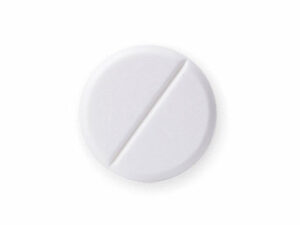
How to Take Sprycel: Take the tablet exactly as prescribed by your doctor, once a day, at about the same time each day. Swallow whole with a large glass of water. Do not crush, split, or chew the tablet, as this may alter its absorption.
- Store at room temperature away from moisture and heat.
- If you miss a dose, take it as soon as you remember on the same day. Skip it if it’s almost time for the next dose—do not double up.
- Regular blood tests and doctor appointments are essential to monitor your progress and safety.
Dosing: Morning vs Evening
- Morning: Many patients prefer morning dosing to establish a routine, and to monitor for side effects (like feeling tired or nauseous) during the day.
- Evening: In some cases, taking Sprycel at night may help if certain side effects (such as fatigue) occur.
- Tip: Try to take Sprycel at the same time each day, whichever time suits your daily pattern. Consistency helps maintain steady blood levels.
- Consult Your Pharmacist: If you have difficulty with side effects or remembering doses, talk to your pharmacist or doctor for practical solutions.
Taking with Food or on an Empty Stomach
Sprycel can be taken with or without food. However, certain foods and dietary supplements in Australia—particularly those that alter stomach acid—can affect how well your medicine works.
- Avoid grapefruit and grapefruit juice: These may increase the blood levels of dasatinib and the risk of side effects.
- Acid-suppressing medicines (like proton pump inhibitors and H2 blockers): Avoid taking these within several hours of Sprycel as they reduce absorption.
- Australian dietary patterns: If you have a typical high-fibre or varied diet, be mindful of antacids (e.g., used for heartburn), as these should not be taken within 2 hours before or after Sprycel.
Interaction Warnings
| Type | Example | Advice |
|---|---|---|
| Food | Grapefruit, grapefruit juice | Avoid completely |
| Antacids | Aluminium/magnesium hydroxides | Do not take within 2 hours of Sprycel dose |
| Acid reducers | Ranitidine, omeprazole | If needed, take at a different time or consult your doctor |
| Alcohol | Any alcoholic drinks | Alcohol is not known to interact directly but may worsen liver side effects; moderate use only, if approved by your doctor |
| Other medicines | CYP3A4 inhibitors (e.g. ketoconazole), inducers (e.g. rifampicin), some antihypertensives, statins, warfarin | Discuss with your pharmacist or doctor before starting any new medication |
Indications (Official and Off-Label Uses)
| Indication | Approved by TGA | Notes |
|---|---|---|
| Chronic Myeloid Leukaemia (CML), chronic phase | Yes | First-line or after resistance/intolerance to imatinib |
| CML, accelerated or blast phase | Yes | After imatinib failure |
| Philadelphia chromosome-positive Acute Lymphoblastic Leukaemia (Ph+ ALL) | Yes | Adults and children; after other therapies fail |
| Off-label: Other KIT-positive tumours | No | May be used in clinical trials or special circumstances |
Dosing According to Clinical Indications
| Indication | Adults | Children/Adolescents | Elderly |
|---|---|---|---|
| Chronic phase CML (new diagnosis) | 100 mg once daily | Based on body surface area (60 mg/m2 once daily; max 100 mg/day) | 100 mg once daily (dose adjustments as needed) |
| Accelerated/blast phase CML; Ph+ ALL | 140 mg once daily (or 70 mg twice daily)* | 80 mg/m2 once daily (max 140 mg/day) | 140 mg once daily (dose adjustments as needed) |
*Split dosing may be recommended in specialist protocols.
Safety Profile & Side Effects
| Side Effect | Frequency | Advice |
|---|---|---|
| Low white blood cell count (neutropenia) | Common | Regular blood tests required |
| Low platelet count (thrombocytopenia) | Common | Inform doctor if bruising/bleeding occurs |
| Fluid retention (incl. ankle swelling, pleural/pericardial effusion) | Common | Report sudden weight gain or shortness of breath |
| Nausea, vomiting, diarrhoea | Common | Most cases are mild; seek advice if persistent |
| Fatigue | Common | Adjust routine if needed; report if severe |
| Skin rash | Occasional | Discuss with doctor, especially if severe |
| Pneumonitis, lung inflammation | Rare | Urgent medical review for cough, fever or breathlessness |
| QT prolongation (heart rhythm changes) | Rare | Periodic ECGs may be advised if risk factors present |
- Alert your doctor immediately if you develop chest pain, severe shortness of breath, sudden swelling, or severe persistent fever.
- Side effects may be managed by adjusting your dose or adding supportive treatments.
Guidelines for Proper Use in Australia
- Fill your prescription at a pharmacy familiar with oncology medicines—ask for a medication review service if offered.
- Keep your medicine in the original packaging, out of sight and reach of children.
- Use the "MedicinesList" app provided by the Australian Digital Health Agency to keep track of all your medicines.
- Plan ahead for prescription refills, especially if you live in regional or remote areas—telehealth pharmacy services may be available for repeat scripts.
- If you experience side effects, contact your haematologist or general practitioner as soon as possible. Do not stop or change your treatment without medical advice.
- Participate in recommended screening tests, including regular full blood counts and liver/kidney function monitoring.
Alternative Treatment Options (PBS-Listed Medicines in Australia)
- Imatinib (Glivec): Often first-line for CML. Pros: Long-term data, well tolerated. Cons: Resistance may develop.
- Nilotinib (Tasigna): Alternative tyrosine kinase inhibitor; more restrictions on meal timing, similar efficacy. Pros: For patients intolerant to imatinib. Cons: Cardiac side effect risk.
- Ponatinib (Iclusig): Used when other TKIs fail, including mutations resistant to others. Pros: Effective for T315I mutations. Cons: Increased risk of blood clots.
- Bosutinib (Bosulif): Another option for resistant CML. Pros: Useful in multi-resistant cases. Cons: Side effect profile (diarrhoea, liver effects).
- Stem cell transplantation: Typically reserved for those who do not respond adequately to available TKIs.
Legal, Registration and Reimbursement Status in Australia
- TGA Registration: Sprycel is registered with the Therapeutic Goods Administration (TGA) for use in CML and Ph+ ALL.
- PBS (Pharmaceutical Benefits Scheme): Subsidised for eligible patients with CML and Ph+ ALL, provided prescribing criteria are met.
- Prescription Requirement: Schedule 4 (prescription medicine)—cannot be legally supplied without a valid prescription.
- Pharmacist Role: Pharmacists are required to provide counselling at first and subsequent supplies, monitoring for drug interactions and adherence issues.
Latest Research & Clinical Guidance (2022–2025)
- International Expert Consensus (ELN 2023, ESMO 2024): Updated guidelines confirm the role of dasatinib as a first- or subsequent-line therapy in CML and Ph+ ALL, with newer data supporting Paediatric use (source).
- Real-World Studies: Data from Australia and other countries indicate durable resposnes and relatively manageable safety, with attention to cardiovascular risks in older adults (Blood 2024).
- Drug-Free Remission: Ongoing trials are investigating whether a proportion of well-responding CML patients on dasatinib can safely discontinue therapy after several years (PubMed, 2023).
- Special Populations: Safe dose reductions and paediatric dosing strategies have improved access and safety in children and older adults.
Availability and Delivery in Australia
| Strength | Popular Pack Size | PBS Price (approx., patient co-payment, 2024) | Indicative Delivery Times* |
|---|---|---|---|
| 50 mg | 60 tablets | $30 (concessional), $130 (general) | Sydney: 1-2 days Melbourne: 1-2 days Brisbane: 2-3 days Adelaide: 2-3 days Perth: 3-4 days Hobart: 2-3 days Darwin: 3-5 days |
| 100 mg | 30 & 60 tablets | $30 (concessional), $130 (general) | Sydney: 1-2 days Melbourne: 1-2 days Perth: 3-4 days |
*Delivery times are estimates for metropolitan areas. Rural and regional deliveries may take longer; contact your pharmacy for specific information.
FAQ – Frequently Asked Questions
- Should I take Sprycel with food?
Sprycel can be taken with or without food. Avoid grapefruit and high-dose supplements that alter stomach acidity. Consistency in daily timing is more important than meal timing. - What do I do if I forget a dose?
If you remember on the same day, take the missed tablet right away. If it’s nearly time for your next dose, skip the missed dose—do not double up. - How long will I need to take Sprycel?
Your doctor will advise, but most patients take Sprycel for several years or indefinitely, depending on your response and latest evidence. Some may become eligible for trial “treatment-free remission” after achieving long-term remission. - Is Sprycel safe to take with other medications?
Not always. Some medicines and supplements (especially those affecting liver enzymes or your stomach acidity) can interact with Sprycel. Always discuss new medications, over-the-counter supplements, or herbal remedies with your doctor or pharmacist. - Can I drink alcohol while taking Sprycel?
Moderate alcohol is not directly prohibited, but excessive use can increase the risk of side effects, especially relating to the liver. Discuss your alcohol intake with your doctor for personalised advice.
For further information: Please consult your haematologist, general practitioner or speak to your local pharmacist. For 24-hour advice, contact HealthDirect (1800 022 222), the Australian national health advice line.