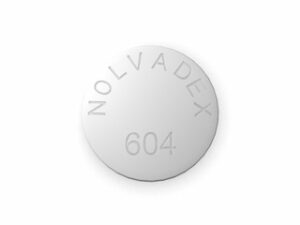
Zofran (Ondansetron): Comprehensive Patient Information for Australia
Basic Product Information
| International Non-proprietary Name (INN): | Ondansetron |
| Brand Names in Australia: | Zofran, Ondansetron Sandoz, Ondansetron Mylan, Ondansetron Teva |
| ATC Code: | A04AA01 |
| Available Forms & Strengths: | - Tablets: 4 mg, 8 mg
- Orally disintegrating tablets (ODT): 4 mg, 8 mg
- Oral solution: 4 mg/5 mL
- Injection: 2 mg/mL (2 mL and 4 mL ampoules)
|
| Manufacturers: | Novartis, Sandoz, Mylan, Teva, Generic manufacturers |
| Prescription Status (Australia): | Prescription Only Medicine (Schedule 4, S4) |
Mechanism of Action
For General Readers: Ondansetron (Zofran) helps to prevent nausea and vomiting by blocking the chemicals in the body that trigger the vomiting reflex, especially after surgery or cancer therapy.
For Specialists: Ondansetron is a selective serotonin 5-HT3 receptor antagonist, acting both peripherally (within the gastrointestinal tract) and centrally (at the chemoreceptor trigger zone in the brain), thereby inhibiting the emetogenic pathway associated with chemotherapy, radiotherapy, and postoperative states.
Pharmacokinetics
- Absorption: Well absorbed after oral administration; peak plasma concentrations occur within 1–2 hours.
- Bioavailability: Approximately 60% (oral), due to moderate first-pass hepatic metabolism.
- Metabolism: Primarily hepatic, via cytochrome P450 enzymes (CYP3A4, CYP2D6, CYP1A2).
- Elimination: Mainly renal (urine) and faecal routes as metabolites. Only 5% excreted unchanged.
- Duration of Action: Anti-emetic effects last 8–12 hours after a single dose.
- T1/2 (Half-life): About 3–6 hours in healthy adults (may be longer in elderly or hepatic impairment).
Use in Everyday Life and Best Practices
Zofran is commonly used across English hospitals, day units, and oncology centres to prevent and treat nausea and vomiting caused by cytotoxic chemotherapy, radiotherapy, and surgery. It is sometimes prescribed for severe gastroenteritis, especially in children, on specialist advice.
- Typical Doses: Adults: 4–8 mg per dose, 1–3 times daily depending on indication.
- How to Use:
- Tablets should be swallowed whole with water. For those who have trouble swallowing, ODT can dissolve on the tongue without water.
- Injections are reserved for hospital or clinical use.
- Follow your doctor’s instructions closely; do not exceed the recommended dose.
Dosing: Morning vs Evening
- Zofran can be taken at any time of day, according to when nausea is most likely (for example, before chemotherapy in the morning, or before travel).
- Advantages of Morning Dosing: Reduces morning nausea for patients undergoing treatments scheduled in the morning; helps maintain a routine.
- Potential Disadvantages: Some individuals may experience mild headache or constipation, which can affect daily activities.
- Tip: Take at the same time each day, especially if using regularly, to optimise prevention.
Taking with Food or on an Empty Stomach
- Zofran can be taken with or without food. Food does not significantly impact absorption or effectiveness.
- Australian Dietary Context: No dietary restrictions are necessary. Patients may take Zofran before or after classic English meals such as toast, cereal, or a meat-and-three-veg dinner.
- Tip: If nausea is severe in the morning, try taking Zofran before breakfast to help manage symptoms and allow you to eat.
Interaction Warnings
| Type | Interaction | Advice |
| Medications | SSRIs, SNRIs, Tramadol (risk of serotonin syndrome) | Monitor for confusion, agitation, rapid heart rate |
| Medications | Antiarrhythmics (e.g., amiodarone); Antipsychotics | May prolong QT interval — caution in those with heart problems |
| Medications | Phenytoin, carbamazepine, rifampicin | May reduce Zofran effectiveness by increasing its breakdown |
| Alcohol | Minimal interaction, but avoid excessive use | Alcohol may worsen underlying nausea or liver workload |
| Food | No significant food interactions | Safe with all typical English foods and drinks |
Indications
| Indication | Official (TGA-Approved) | Off-label (Specialist Advice) |
| Prevention of chemotherapy-induced nausea and vomiting (CINV) | Yes | No |
| Prevention of radiotherapy-induced nausea and vomiting | Yes | No |
| Prevention/treatment of postoperative nausea and vomiting | Yes | No |
| Severe vomiting due to gastroenteritis (in children) | No | Yes, under hospital/specialist advice |
| Pregnancy-related nausea (hyperemesis gravidarum) | No | Yes, second-line under specialist/obstetric direction |
Dosing According to Clinical Indications
| Indication | Adults | Paediatric | Elderly |
| CINV (oral) | 8 mg 1–2 hours before chemo, then 8 mg 12 hours later; then 8 mg every 12 hours for up to 5 days | 4 mg initial dose, then 4 mg 12-hourly (as per body weight) | As for adults. Monitor for side effects and lower starting dose if frail or with hepatic impairment |
| Postoperative N&V | 4 mg as single dose IV/IM/oral before induction of anaesthesia | 0.1 mg/kg (max 4 mg), single dose | As for adults; monitor cardiovascular status |
| Radiotherapy-induced N&V | 8 mg 1–2 hours before, then every 8 hours for up to 5 days | As above | As above |
| Severe gastroenteritis (child) | — | 0.15 mg/kg per dose, maximum 8 mg, 1–2 times | — |
Safety Profile & Side Effects
- Common Side Effects:
- Headache
- Constipation
- Feeling flushed or warm
- Tiredness or mild dizziness
- Uncommon/Rare Side Effects:
- QT prolongation (heart rhythm changes)
- Serotonin syndrome (when combined with some antidepressants)
- Hypersensitivity reactions (rash, difficulty breathing — seek urgent medical help)
- Liver function disturbances
- Special Warnings:
- Monitor closely in people with personal/family history of heart rhythm problems.
- Not recommended for long-term, regular use unless under specialist guidance.
- Consult a doctor if severe constipation, jaundice, or allergic symptoms occur.
Guidelines for Proper Use
- Keep tablets in their original packaging until use to protect from moisture and light.
- Store below 25℃ – do not freeze the oral solutions or injectables.
- Carry information about your prescription, especially when attending hospital or day-stay units.
- If you miss a dose and are still experiencing nausea, take it as soon as you remember. If it is almost time for your next dose, skip the missed one.
- Avoid driving or operating machinery if you feel dizzy or tired after taking Zofran.
- Do not share your medicine with others.
- If symptoms do not improve or worsen, seek medical attention.
Alternative Treatment Options
- Metoclopramide (Maxolon): Widely used, particularly for mild-to-moderate nausea. Can cause movement-related side effects (extrapyramidal symptoms).
- Pros: Cost-effective, available over wider range of indications.
- Cons: Not as effective as Ondansetron for severe chemo-induced nausea; may cause restlessness or abnormal movements.
- Domperidone (Motilium): Less effective for chemo-related nausea; used for gastroparesis and mild nausea.
- Pros: Fewer CNS side effects due to poor blood-brain barrier penetration.
- Cons: Can affect heart rhythm; not suitable for all patients.
- Prochlorperazine (Stemetil): Used for vestibular causes and migraine-associated nausea.
- Pros: Useful in motion sickness and migraines.
- Cons: Can cause sedation and movement-related side effects.
- Dexamethasone: Often used in combination for cancer patients.
- Pros: Effective adjunct; prolongs anti-nausea effect.
- Cons: Not generally used alone; has its own set of potential side effects.
Legal, Registration, and Reimbursement Status in Australia
- Regulator: Therapeutic Goods Administration (TGA), Department of Health and Aged Care.
- Legal Status: Prescription only (Schedule 4, S4).
- Reimbursement: Listed on the Pharmaceutical Benefits Scheme (PBS) for approved cancer/chemotherapy and radiotherapy indications, with strict criteria and authority prescription required for some uses.
- Off-label Uses: May not be covered by PBS; discuss with your doctor or pharmacist regarding costs and possible alternative treatments.
- No over-the-counter or non-pharmacy sales permitted under current URPL/TGA regulations.
Latest Research and Clinical Guidance (2022–2025)
- Recent studies (Australian Journal of General Practice, 2023) confirm Ondansetron’s superiority for moderate-to-severe chemotherapy-induced nausea, with ongoing safety monitoring for cardiac and serotonin-related effects.
- Updated English Cancer Council guidance (2024) recommends Ondansetron as first-line in combination anti-emetic regimens for moderate and high emetogenic risk chemotherapy.
- New guidelines now caution against routine use in pregnancy unless first-line treatments fail, following a review of Australian birth defect data (BMJ 2022).
- Paediatric usage is increasing following hospital studies showing reduced admissions for dehydration when used for severe vomiting (Royal Children’s Hospital, Melbourne, Clinical Guideline 2023).
Availability and Delivery in Australia
| Pack Size | Form | Indicative Price (PBS co-payment) | Private Prescription Price |
| 4 mg x 10 tablets | Tablet | approx. $30 (PBS); $10 for concessional | $20–$40 |
| 8 mg x 4 tablets | ODT | approx. $24 (PBS) | $18–$35 |
| 4 mg/5 mL x 50 mL | Oral solution | approx. $32 (PBS) | $28–$50 |
| Major City | Typical Delivery Time | Pharmacy Collection |
| Sydney | 1–2 working days | Available same day in most locations |
| Melbourne | 1–2 working days | Same day |
| Brisbane | 1–3 working days | Same day |
| Perth | 2–4 working days | Next working day |
| Adelaide | 1–3 working days | Same day |
| Hobart, Darwin, Regional | 2–5 working days | Allow up to 1–2 working days |
Frequently Asked Questions (FAQs)
- Can I take Zofran while pregnant?
Zofran should only be used during pregnancy if recommended by your doctor, usually after other treatments have failed. Your doctor will discuss potential risks and benefits with you. - Can children use Zofran?
Yes, but only under medical supervision and following paediatric dosing guidelines. It is often prescribed in hospitals for children with severe vomiting due to gastroenteritis. - Is it safe to take Zofran with my other medicines?
In most cases, yes, but you should always inform your doctor and pharmacist about all medicines and supplements you are taking. Important drug interaction risks include some antidepressants and antiarrhythmics. - What should I do if I experience side effects?
Mild side effects such as headache or constipation are common and often settle. If you develop serious symptoms such as chest pain, rapid heartbeat, rash, or fainting, seek medical help immediately. - How long does Zofran take to start working?
Zofran usually starts to reduce nausea within 30–60 minutes when taken by mouth.