
Hydroxyurea – Patient Information Guide (Australia)
Basic Product Information
| International Non-Proprietary Name (INN) | Hydroxyurea |
|---|---|
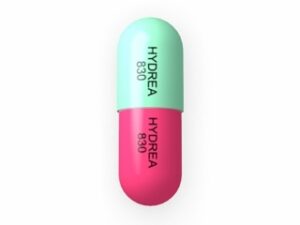
| Common Australia Brand Names | Hydrea®, Apo-Hydroxyurea®, Neofordex® (not all may be available in every region) |
| ATC Code | L01XX05 |
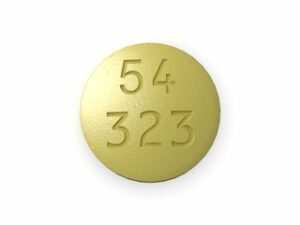
| Available Forms & Strengths | Capsules: 500 mg Tablets: 500 mg, 1,000 mg |
| Manufacturers | Bristol-Myers Squibb Australia, Apotex, Pierre Fabre, others |
| Prescription Status | Prescription Only (Schedule 4) |
Mechanism of Action
For Patients:Hydroxyurea works by slowing down the growth of certain abnormal blood cells in your body and reducing the sickling of red blood cells. This helps manage symptoms and complications in conditions such as some cancers and sickle cell disease.
For Healthcare Professionals:Hydroxyurea is an antimetabolite that inhibits ribonucleotide reductase, resulting in decreased DNA synthesis. This leads to cytotoxic effects, particularly in rapidly dividing cells and in erythroid precursors (increasing fetal haemoglobin production).
Pharmacokinetics
- Absorption: Rapid and almost complete oral absorption
- Metabolism: Mainly hepatic; some metabolism in erythrocytes
- Elimination: Primarily via the kidneys as unchanged drug and metabolites
- Time to Peak Plasma: 1–4 hours after oral dose
- Half-life: Approximately 3–4 hours in adults
- Duration of Action: Daily dosing required for chronic conditions
Everyday Use and Best Practices
Hydroxyurea must be taken exactly as prescribed by your doctor. Typically, it is taken once daily, at the same time each day, to keep blood levels steady. Your pharmacist will advise if you need to start with a low dose and gradually increase.
- Capsules or Tablets: Swallow whole with water. Do not crush or open (unless instructed).
- Best Practice Tips:
- Keep a daily diary or use a medication reminder app, as regular use is key for effectiveness
- Regular blood tests are required to check blood cell counts and organ function
- Never share your medicine or adjust the dose by yourself
- Typical Dose Ranges:
- Adults – Sickle Cell Anaemia: 15–35 mg per kg body weight per day
- Adults – Cancers (e.g. Chronic Myeloid Leukaemia): commonly 20–30 mg per kg body weight per day
- Paediatric doses are calculated by a specialist based on weight and indication
Dosing: Morning vs Evening
- Hydroxyurea can be taken in the morning or evening; consistency is most important.
- Morning dosing: May help align blood test results with therapeutic levels; may suit patients who feel nauseated if taken before bed.
- Evening dosing: May be easier for those who have busy mornings or experience daytime drowsiness as a side effect. Take at the same time each day.
- Tip: If you miss a dose, take the missed dose as soon as you remember unless it’s nearly time for the next dose. Do not double up.
Taking with Food or on an Empty Stomach
- Hydroxyurea may be taken with or without food.
- Taking it with food or milk can reduce stomach upset, which some people may experience, especially at the start of treatment.
- There are no specific restrictions related to traditional English or Australian meals, but a balanced diet is always advised.
- Stay hydrated; drink plenty of water throughout the day.
Interaction Warnings
| Type | Example | Advice |
|---|---|---|
| Medications | Other cytotoxic drugs, antiretrovirals (e.g. didanosine, stavudine), anticoagulants, immunosuppressants | May increase risk of infections or toxicity. Discuss all medications with your doctor or pharmacist. |
| Vaccines | Live vaccines (e.g. measles, mumps, rubella) | Avoid live vaccines during treatment without medical advice. |
| Food | No known food interactions | Normal diet can usually be maintained. |
| Alcohol | Beer, wine, spirits | Moderate consumption is generally safe; check with your doctor if you have liver issues or experience side effects. Avoid heavy drinking. |
Indications
| Indication | Approved in Australia | Off-label/Other Uses |
|---|---|---|
| Chronic Myeloid Leukaemia (CML) | Yes | — |
| Sickle Cell Anaemia | Yes | — |
| Thalassaemia (severe cases) | No | Sometimes used |
| Polycythaemia Vera / Essential Thrombocythaemia | Yes | Used when other therapies fail |
| Psoriasis | No | Rare, specialist prescription |
Dosing According to Clinical Indication
| Condition | Adult Dose | Paediatric Dose | Elderly Dose |
|---|---|---|---|
| Sickle Cell Anaemia | 15–35 mg/kg daily (adjust as per blood counts) | 15–30 mg/kg daily (adjusted with growth) | Start low, careful monitoring advised |
| Chronic Myeloid Leukaemia | 20–30 mg/kg daily | Specialist determination | As above, monitor closely for renal function |
| Polycythaemia Vera/Essential Thrombocythaemia | 500–1,000 mg/day; may be titrated up | Not typically used | Lower initial dose with slow increase |
Note: All doses must be tailored by your doctor and monitored with regular blood tests. Do not change your dose or stop treatment without medical advice.
Safety Profile & Side Effects
- Very Common
- Low blood cell counts (anaemia, neutropenia, thrombocytopenia)
- Gastrointestinal Upsets (nausea, vomiting, diarrhoea, constipation)
- Common
- Mouth sores
- Skin changes (darkening, dryness, ulcers)
- Fever
- Loss of appetite, weight loss
- Rare/Serious
- Severe infections due to low white blood cells
- Secondary leukaemia or cancer (rare, long-term use)
- Allergic reactions (rash, swelling, difficulty breathing)
- Hepatic and renal impairment
- Warnings: If you experience uncontrollable bleeding, fever, severe tiredness, or signs of an allergic reaction, seek medical attention urgently.
Guidelines for Proper Use (Australia)
- Take your medication at the same time each day.
- Handle tablets/capsules with clean, dry hands. Caregivers should wear gloves.
- Store at room temperature, away from moisture and heat.
- If you vomit after taking a dose, do not retake. Wait until your next scheduled dose.
- Regularly attend all recommended blood tests and clinic reviews.
- Women should not become pregnant while on hydroxyurea, as it may harm an unborn child. Speak to your doctor about contraception.
- Breastfeeding is not recommended during treatment.
- Discuss vaccination plans with your doctor as live vaccines may not be safe.
Alternative Treatment Options
- For Sickle Cell Disease: Blood transfusions, L-glutamine, newer agents such as crizanlizumab (not universally funded).
- For Chronic Myeloid Leukaemia: Tyrosine kinase inhibitors (e.g. imatinib/Glivec®), interferon Alpha. TKIs are now standard first-line in most cases.
- For Polycythaemia Vera/Essential Thrombocythaemia: Phlebotomy, low-dose aspirin, interferon Alfa, ruxolitinib (Jakavi®).
- Comparative Overview:
- Hydroxyurea is affordable and often first-line, but not suitable for all patients.
- Newer alternatives may offer fewer side effects or improved effectiveness, but access and cost can be limiting factors.
Legal, Registration, and Reimbursement Status in Australia
- Hydroxyurea is a prescription-only medicine (Schedule 4), authorised by the Therapeutic Goods Administration (TGA).
- Available on the Pharmaceutical Benefits Scheme (PBS) for registered indications such as sickle cell anaemia, CML, and myeloproliferative disorders.
- Hospital and community pharmacies can dispense hydroxyurea; supply restrictions may apply for some indications.
- Medicines must be supplied via a valid prescriber, such as a haematologist or general practitioner (GP) with appropriate authority.
Latest Research and Clinical Guidance (2022–2025)
- 2022–2024 consensus guidelines from the Haematology Society of Australia and New Zealand (HSANZ) recommend hydroxyurea as standard first-line therapy for sickle cell anaemia and specific myeloproliferative neoplasms (The Royal Australasian College of Physicians, 2023).
- TGA and PBS continue to support funded use in CML and essential thrombocythaemia, with ongoing surveillance for rare complications.
- Recent studies confirm early initiation in childhood sickle cell disease is safe and reduces vaso-occlusive crises and organ damage (Cochrane Review, 2023).
- Expanded role in paediatric sickle cell populations and investigational use in selected thalassaemia syndromes.
- Caution: There is no strong evidence of benefit for hydroxyurea in non-haematologic conditions (Lancet Haematology, 2024).
Availability and Delivery
| Pack Size | Typical PBS Price (as of early 2024) | Estimated Delivery Times (Major Cities) |
|---|---|---|
| 100 x 500 mg Capsules | $41.60 (with PBS co-payment) | Sydney: 1–2 business days Melbourne: 1–2 business days Brisbane: 2–3 business days Perth: 3–5 business days Adelaide: 2–3 business days Darwin/Hobart: 3–5 business days |
| 30 x 500 mg Capsules | $16.90 (with PBS co-payment) | As above |
- Most pharmacies require 24–48 hours to order stock if not held on site.
- Home delivery services and click-and-collect are available in most metropolitan areas.
Frequently Asked Questions (FAQ)
- Q: Can I take hydroxyurea with my usual medication?
A: Always inform your doctor and pharmacist of all medicines you take, including over-the-counter and complementary products. Some medicines may interact with hydroxyurea. Your healthcare team will ensure your treatment plan is safe. - Q: What do I do if I miss a dose?
A: Take your missed dose as soon as you remember, unless it is close to your next scheduled dose. Do not take extra doses to catch up. If unsure, contact your pharmacist or doctor. - Q: Is it safe to travel while taking hydroxyurea?
A: Yes, but take an adequate supply and keep it in your hand luggage. Carry a letter from your doctor and ensure you have contact details for emergency care. Stick to your dosing schedule as much as possible. - Q: What should I do if I feel unwell or experience side effects?
A: Contact your doctor or pharmacist for advice. If you have severe symptoms such as high fever, persistent sore throat, unexplained bruising, or trouble breathing, seek urgent medical attention. - Q: Can I stop treatment if I feel better?
A: No. Never stop taking hydroxyurea without medical advice. Suddenly stopping may cause your condition to worsen or lead to complications.