
Hydrea (Hydroxyurea) – Comprehensive Patient Information Guide
1. Basic Product Information
| International Nonproprietary Name (INN) | Hydroxyurea |
|---|---|
| Australia Brand Names | Hydrea®, Hydroxyurea Accord®, Hydroxycarbamide Sandoz® |
| ATC Code | L01XX05 |
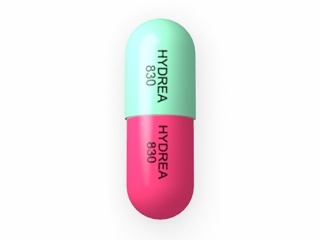
| Available Formulations & Strengths | Capsules: 500 mg |
| Manufacturers | Accord Healthcare, Bristol-Myers Squibb, Sandoz Australia |
| Prescription Status | Prescription Only Medicine (Schedule 4) |
2. Mechanism of Action
For patients: Hydrea (hydroxyurea) is a medication that works by slowing the growth of certain cells in your body, especially blood cells. This is useful if you have conditions where your bone marrow produces too many or abnormal blood cells.
For specialists: Hydroxyurea acts by inhibiting ribonucleotide reductase, interfering with DNA synthesis in proliferating cells, particularly during the S-phase. It is cytotoxic to rapidly dividing cells, including malignant erythroid and myeloid precursors, and also enhances fetal haemoglobin (HbF) production in sickle cell disease.
3. Pharmacokinetics
- Absorption: Rapidly and almost completely absorbed after oral administration. Peak blood levels reached in 1–4 hours.
- Metabolism: Primarily hepatic (<30%); some hydrolysis in plasma.
- Elimination: Main route is via the kidneys (urine), with approx. 40–60% excreted unchanged. Minor excretion via faeces.
- Duration of Action: Plasma half-life is 3–4 hours; pharmacodynamic effects on bone marrow last longer.
4. Use in Everyday Life and Best Practices
Hydrea should be taken exactly as prescribed by your doctor or specialist. It is usually used for treating:
- Chronic myelogenous leukaemia (CML)
- Polycythaemia vera
- Essential thrombocythaemia
- Sickle cell anaemia (to reduce frequency of painful crises)
- Some solid tumours (e.g., head and neck cancers) – less commonly in Australia
Please always swallow capsules whole with a full glass of water. Do not open or crush Hydrea capsules.
5. Dosing: Morning vs. Evening
- Morning dose: May help fit within your daily medication routine and lab test schedules; may reduce the risk of missed doses.
- Evening dose: Favoured by some patients if gastrointestinal upset occurs; consult your doctor if you have nausea in the mornings.
- Best practice: Take Hydrea at the same time each day, whichever time works best for you, to maintain consistent blood levels and improve adherence.
Consistency is more important than time of day. Set a daily reminder if needed.
6. Taking with Food or on an Empty Stomach
- Hydrea can be taken with or without food.
- Taking it with food may help reduce stomach upset or nausea. If you experience indigestion, have it with a small meal or light snack.
- There are no known significant interactions with typical English or Australian diets (e.g., dairy, bread, vegetables, lean meat).
- Do not consume grapefruit or grapefruit juice, as this may affect medicine levels.
7. Interaction Warnings
| Interacting Substance | Effect | How to Manage |
|---|---|---|
| Alcohol | Can increase drowsiness, risk of liver toxicity | Limit or avoid; ask your doctor |
| Other cytotoxic drugs (e.g., busulfan, azathioprine) | Increased risk of bone marrow suppression | Close blood monitoring required; physician oversight |
| Antiretrovirals (HIV medicines, especially didanosine & stavudine) | Increased risk of side effects (pancreatitis, liver toxicity) | Inform your HIV specialist |
| Live vaccines (e.g., BCG, yellow fever) | Risk of serious infection due to immune suppression | Avoid; use only under specialist advice |
| Grapefruit juice | May alter drug levels | Avoid |
8. Indications
| Condition | Official (TGA) | Off-label (with specialist support) |
|---|---|---|
| Chronic myelogenous leukaemia (CML) | Yes | |
| Polycythaemia vera | Yes | |
| Essential thrombocythaemia | Yes | |
| Sickle cell anaemia | Yes | |
| Head & neck cancers | Yes | |
| Mast cell leukaemia, other rare myeloproliferative disorders | Yes; specialist only |
9. Dosing According to Clinical Indication
| Indication | Adults | Paediatrics | Elderly patients |
|---|---|---|---|
| Chronic myelogenous leukaemia, Polycythaemia vera, Essential thrombocythaemia | 15–20 mg/kg/day in single daily dose, adjusted per response | Not routinely recommended | Start at lower end (cautious titration), more frequent monitoring |
| Sickle cell anaemia | 15 mg/kg/day. Adjust every 8–12 weeks; max 35 mg/kg/day | 15–20 mg/kg/day initial; titrate to response and tolerance | As for adults, with careful monitoring |
| Solid tumours (e.g. head/neck) | 80 mg/kg as single dose every 3 days (specialist guidance) | Not routinely used | Individualised; specialist supervision required |
All doses must be carefully individualised and guided by blood tests.
10. Safety Profile / Side Effects
- Common side effects:
- Nausea, vomiting, loss of appetite
- Mild diarrhoea or constipation
- Low blood cell counts (anaemia, neutropenia, thrombocytopenia)
- Mild skin rashes, darkening of skin or nails
- Fatigue
- Fever (especially when starting treatment)
- Less common but serious side effects:
- Severe infection due to immune suppression
- Painful leg or mouth sores (ulcers)
- Severe anaemia or bleeding
- Kidney or liver toxicity (rare, but needs monitoring)
- Lung reactions (rare: see doctor for shortness of breath, cough)
- Warnings: Hydrea can be harmful to unborn babies. Do not use during pregnancy or breastfeeding unless advised by your specialist. Always use contraception during treatment and after stopping Hydrea for a time (usually 3–6 months; consult your health care team).
- Monitoring: Routine blood tests are needed (usually every 2–4 weeks initially, then as directed by your specialist).
11. Guidelines for Proper Use – Pharmacist/Clinic Advice
- Take your Hydrea at the same time each day with a full glass of water.
- Wear disposable gloves if handling capsules for someone else (e.g., carer role); do not open or crush capsules.
- Dispose of unused or expired medication at your local pharmacy (do not flush down the toilet or bin).
- Keep out of reach of children and pets.
- Attend all scheduled blood tests and clinic appointments. Your dose may need changing based on results.
- Inform your doctor or pharmacist promptly if you develop fever, bruising, persistent cough, severe tiredness, ulcers, or unexplained symptoms.
12. Alternative Treatment Options
- For myeloproliferative disorders: Interferon alfa (pegylated forms), Anagrelide, Ruxolitinib (PBS reimbursement for some cases), Phlebotomy (for polycythaemia vera), Allopurinol (as adjunct)
- For sickle cell disease: Blood transfusions (acute/chronic), L-glutamine (not yet widely available on PBS), Crizanlizumab (special access schemes).
- Overview: Hydroxyurea remains first-line due to effectiveness, oral administration, and long safety record. Other agents may be considered if side effects are not tolerated, pregnancy is planned, or inadequate response occurs. All alternatives require discussion with a haematology or specialist physician.
13. Legal, Registration, and Reimbursement Status in Australia
- Registered by the Therapeutic Goods Administration (TGA)
- Prescription-only; not available over-the-counter
- Available through the Pharmaceutical Benefits Scheme (PBS) for listed haematological indications (e.g., CML, polycythaemia vera, sickle cell disease, other approved uses)
- Prescribers must be doctors or specialists, in accordance with state and territory regulations
- Dispensing is restricted to registered pharmacies; requires S4 prescription
14. Latest Research & Clinical Guidance (2022–2025)
- Consensus and clinical guidelines: The Haematology Society of Australia and New Zealand (HSANZ) continues to recommend hydroxyurea as first-line for myeloproliferative neoplasms and sickle cell anaemia (Koshy M, et al. 2023; HSANZ Guidelines 2024).
- Updated safety advice: Continuing evidence supports the long-term safety of hydroxyurea; risk of secondary malignancy remains very low compared to untreated disease.
- Paediatric use: Recent studies confirm effectiveness in children with sickle cell anaemia and highlight the importance of careful dose titration (Tshilolo L. et al., Lancet Haematology, 2024).
- Fertility and pregnancy: Latest data advise strict contraception for both men and women due to possible temporary reduction in fertility and teratogenic risk.
- See also: Australian TGA, HSANZ guidelines, and PBS listings for up-to-date prescribing and funding information.
15. Availability and Delivery
| Pack Size | Capsule Strength | Typical RRP (AUD)* | Indicative Pharmacy Delivery (business days) |
|---|---|---|---|
| 100 capsules | 500 mg | $55–$90 (PBS subsidised price is lower) | Sydney: 1–2 Melbourne: 1–2 Brisbane: 2–3 Perth: 2–4 Adelaide: 1–2 |
*Prices may vary between pharmacies and according to PBS status.
16. Frequently Asked Questions (FAQ)
- Will Hydrea cure my condition? Hydrea is not a cure but helps manage blood cell counts and reduce complications. It is effective in controlling disease symptoms and improving quality of life in many conditions.
- How long will I need to take Hydrea? For myeloproliferative disorders and sickle cell disease, Hydrea is often a long-term (sometimes lifelong) therapy. Your treatment plan will be reviewed regularly with your specialist.
- Is it safe to use other medicines or supplements with Hydrea? Always inform your pharmacist and doctor about any other prescription, over-the-counter medicines, or supplements. Some vitamins, especially folic acid, are routinely recommended; do not start new therapies without medical advice.
- What if I miss a dose? Take the missed dose as soon as you remember on the same day. If it is nearly time for your next dose, skip the missed dose—do not double dose. Consult your pharmacist or doctor if unsure.
- Can I travel with Hydrea? Yes, but carry enough medicine and your prescription with you. In hot Australia summers, store Hydrea below 25°C, away from direct sunlight or heat in a secure, child-safe container.