

Cytoxan (Cyclophosphamide): Patient Information for Australia
1. Basic Product Information
| Description | Details |
|---|---|
| International Non-Proprietary Name (INN) | Cyclophosphamide |
| Brand Names Available in Australia | Cytoxan®, Endoxan®, Cycloblastin®, Cyclophosphamide Accord |
| ATC Code | L01AA01 |
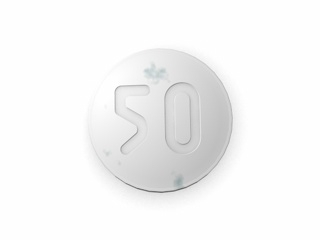
| Available Forms & Strengths | Tablets (50 mg); Powder for injection (500 mg, 1 g, 2 g vials) |
| Manufacturers | Baxter Healthcare, Accord Healthcare, Pfizer Australia |
| Prescription Status | Prescription Only Medicine (Schedule 4, S4) |
2. Mechanism of Action
For Patients:
Cytoxan (cyclophosphamide) is a type of medicine called a cytotoxic or chemotherapy drug. It works by interfering with the DNA inside cells, preventing them from dividing and growing. This helps to stop the spread of cancer cells or calm down an overactive immune system.
For Specialists:
Cyclophosphamide is an alkylating agent; it cross-links DNA strands at the N7 position of guanine, leading to interference with DNA replication and transcription, resulting in cytotoxicity in rapidly dividing cells. Its active metabolite, phosphoramide mustard, is formed via hepatic metabolism.
3. Pharmacokinetics
- Absorption: Well-absorbed orally; peak plasma concentration in 1–3 hours (tablets).
- Metabolism: Liver (hepatic CYP450 enzymes) to active and inactive metabolites.
- Elimination: Mainly via the kidneys (urine); minor excretion in bile.
- Half-life: Approximately 3–12 hours, variable by dose and renal/hepatic function.
- Duration: Chemotherapeutic effect may persist for days after dosing due to metabolites.
4. Use in Everyday Life and Best Practices
Cytoxan is used under the supervision of a specialist (oncologist, haematologist, rheumatologist). It is commonly prescribed as part of a cancer treatment regimen or for severe autoimmune conditions when other medications do not work.
Typical Doses:
- Oral: 1–5 mg/kg/day as a single daily dose, adjusted by indication and tolerance.
- Intravenous (IV): 500–1,000 mg/m2 once every few weeks, often as day treatment.
Best Practices:
- Take at the same time each day for oral forms.
- Always follow your doctor’s or pharmacist’s instructions.
- Attend all scheduled blood/urine tests and clinic visits.
- Report any symptoms (fever, bleeding, mouth sores, unusual fatigue) promptly.
- If using tablets, handle with clean, dry hands; swallow whole with water.
5. Dosing in the Morning vs Evening
Morning Dosing: Most experts recommend taking cyclophosphamide in the morning. This helps reduce the risk of bladder irritation, as drinking fluids and urinating more during waking hours helps flush the medicine out.
Evening Dosing: May lead to the medicine sitting in the bladder overnight, increasing risk of bladder side effects.
Practical Tips:
- Take your dose after breakfast and drink plenty of water throughout the day (1.5–2 litres unless told otherwise).
- Avoid taking your dose late in the evening.
- If you miss a dose, take it as soon as you remember unless it is nearly time for your next dose; do not double up.
6. Taking with Food or on an Empty Stomach
Cyclophosphamide tablets may be taken with or without food. Taking them with food may help prevent nausea, a common side effect. It’s best to choose a light breakfast such as cereal, toast, or fruit. There are no special Australian dietary restrictions beyond maintaining adequate hydration. Do not consume grapefruit juice, as it may interact with medicine metabolism.
7. Interaction Warnings
| Type | Interaction | Recommendations |
|---|---|---|
| Food | Grapefruit/grapefruit juice | Avoid—may affect drug metabolism |
| Alcohol | May worsen liver toxicity, nausea | Limit or avoid alcohol during treatment |
| Other medicines |
|
|
8. Indications
| Indication | Status | Summary |
|---|---|---|
| Malignancies | Approved | Breast cancer, lymphoma, leukaemia, multiple myeloma, ovarian cancer, neuroblastoma, mycosis fungoides. |
| Autoimmune diseases | Approved & Off-label | Systemic lupus erythematosus (lupus nephritis), Wegener’s granulomatosis (GPA), nephrotic syndrome. |
| Other immune conditions | Off-label | Steroid-resistant vasculitis, scleroderma, ANCA-associated vasculitis. |
9. Dosing According to Clinical Indications
| Condition | Typical Adult Dose | Pediatric Dose | Elderly Dose |
|---|---|---|---|
| Malignancy (oral) | 2–4 mg/kg/day (as per protocol) | As per body surface area (BSA), e.g. 2–3 mg/kg/day | Start at lowest effective dose and monitor closely |
| Autoimmune (IV pulse) | 500–1,000 mg/m2 every 2–4 weeks | 350–500 mg/m2/ every 3–4 weeks | Consider reduced dose; close monitoring |
| Maintenance (oral) | 1–2 mg/kg/day | As per protocol | Use minimum duration; regular test monitoring |
All doses are individualised. Dosage adjustments are required for kidney/liver problems. Always follow specialty team instructions.
10. Safety Profile and Side Effects
| Frequency | Side Effect | Advice |
|---|---|---|
| Common | Nausea, vomiting, loss of appetite, hair loss, low blood count (increased infection risk), mouth sores | Report symptoms, take anti-emetics if prescribed, regular blood tests |
| Occasional | Bladder irritation (cystitis), skin rashes, menstrual changes, temporary infertility | Drink plenty of water, inform doctor if passing blood in urine |
| Rare/Serious | Severe infections, severe allergic reactions, liver damage, secondary cancers (bladder) | Seek immediate medical help if severe symptoms |
- Some side effects (e.g., infertility, secondary cancer) may appear many years later. Discuss fertility preservation with your doctor if appropriate.
- Live vaccines are generally avoided during and after treatment until your immune system recovers.
- Women of childbearing age must use effective contraception; men should discuss sperm banking prior to treatment.
11. Guidelines for Proper Use (Australia-Specific Advice)
- Obtain this medicine only from registered Australian pharmacies with a prescription from your specialist.
- It is usually supplied in child-resistant packaging. Store below 25°C in a dry place, away from children and pets.
- Bring a list of all your medicines to every appointment, including over-the-counter and complementary remedies.
- Dispose of leftover tablets and used vials safely—return to your pharmacy for secure disposal per Australian guidelines.
- If unwell, develop a fever, or are exposed to chickenpox/shingles, seek urgent medical advice.
12. Alternative Treatment Options
- Azathioprine – Less potent, commonly used for long-term immune suppression, fewer fertility concerns.
- Mycophenolate mofetil – Also used for autoimmune disease, less risk of bladder toxicity, fertility risks still possible.
- Rituximab – Infusion therapy for some cancers & autoimmune conditions. Avoids certain risks, but more expensive and not always available for all indications.
- Methotrexate – Used in oncology and autoimmune disease; less risk of some side effects, different monitoring required.
- Some of these alternatives are available on the Australian PBS (Pharmaceutical Benefits Scheme) for eligible patients. Your doctor will help you choose the most appropriate treatment.
13. Legal, Registration, and Reimbursement Status in Australia
- Registered with the Therapeutic Goods Administration (TGA).
- Prescription Only Medicine (Schedule 4, S4) in Australia.
- Reimbursed for specific cancer/autoimmune indications under the PBS (Pharmaceutical Benefits Scheme) — consult your prescribing doctor or pharmacist for eligibility and co-payment details.
- Not to be supplied without a valid script from an Australian medical practitioner.
14. Latest Research and Clinical Guidance (2022–2025)
Current guidelines from Cancer Council Australia and international societies (e.g. ESMO, ASCO, Kidney Health Australia) continue to support cyclophosphamide as part of combination therapy for many cancers and severe autoimmune conditions.
Recent studies (Smith, Br J Cancer 2023; Kidney International 2024; ANCA Vasculitis Australia, 2024 position statement) indicate lower, intermittent intravenous dosing reduces cumulative toxicity while maintaining efficacy. Fertility preservation and infection prophylaxis remain key concerns in treatment planning (TGA drug safety update, 2024).
Ongoing research is focused on personalising dosing using pharmacogenomics and further reducing long-term side effects.
15. Availability and Delivery
| Pack Size | Price (Indicative, PBS co-payment) | Delivery to Major Australia Cities* |
|---|---|---|
| 50 mg x 30 tablets | $41.24 (PBS co-payment may apply) | Next business day (Sydney, Melbourne, Brisbane), 2–3 days (Perth, Adelaide, Darwin) |
| 500 mg, 1 g, 2 g IV vials | Hospital supply or specialist order; price varies by supply channel | Within 24–48 hours in major cities |
*Delivery times based on metropolitan areas; remote/rural locations may vary. Always allow extra time for PBS processing and hospital pharmacy supplies.
16. Frequently Asked Questions (FAQ)
- Q: Can I have vaccinations while on Cytoxan?
A: Live vaccines are not recommended while taking cyclophosphamide or for some time after. Inactivated vaccines may be safe but might not work as well. Always consult your specialist before any immunisation. - Q: Will Cytoxan affect my fertility?
A: Yes, it can reduce fertility in both men and women. It’s important to discuss fertility preservation options with your doctor before starting treatment if you are considering having children in the future. - Q: What if I miss a dose?
A: Take the missed dose as soon as you remember during the same day. If it’s almost time for your next dose, skip the missed one—don’t double dose. Contact your clinic if unsure. - Q: Can I drink alcohol during treatment?
A: Alcohol may increase liver strain, worsen nausea, and interact with medications. It’s safest to limit or avoid alcohol while on Cytoxan. Ask your healthcare team for personalised advice. - Q: How will I be monitored?
A: You will require regular blood and urine tests to monitor blood counts and kidney/bladder function, and check for side effects or toxicity. Your specialist will schedule these before and during treatment.
For further questions: Speak to your specialist or accredited pharmacist, or consult reliable resources such as NPS MedicineWise and Cancer Australia.