Xeloda (Capecitabine) – Patient Information for Australia
Basic Product Information
| International Nonproprietary Name (INN) | Capecitabine |
|---|---|
| Australia Brand Names | Xeloda® (primary), generics available |
| ATC Code | L01BC06 |
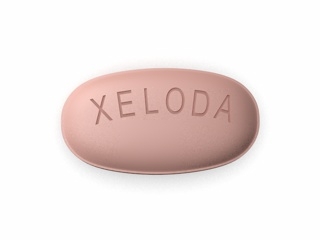
| Available Forms & Strengths | Oral tablets: 150 mg and 500 mg (film-coated) |
| Manufacturers | Roche Products Pty Ltd and approved generic manufacturers |
| Prescription Status | Prescription only (Schedule 4/S4 medicine in Australia) |
Mechanism of Action
For Patients:Capecitabine is a type of chemotherapy medicine called a "prodrug." Once you swallow the tablet, your body changes it into the active medicine called fluorouracil (5-FU), which helps stop cancer cells from growing and dividing.
For Clinicians:Capecitabine is an orally administered fluoropyrimidine carbamate. It undergoes enzymatic conversion primarily in the liver and within tumours to 5-fluorouracil, which inhibits thymidylate synthase, thereby disrupting DNA synthesis and leading to tumour cell apoptosis.
Pharmacokinetics
- Absorption: Well absorbed from the gut. Peak plasma levels reached ~1.5 hours post-dose.
- Metabolism: Capecitabine is metabolised in the liver to 5’-DFCR and then to 5’-DFUR, and finally to 5-FU by thymidine phosphorylase (particularly found in tumours).
- Elimination: Predominantly via urine (approx. 95%) with a small amount in faeces. Elimination half-life: 0.5–1 hour for capecitabine, longer for active metabolites.
- Duration of Action: Dose effect persists as long as 5-FU metabolites are present in system, with anti-tumour effect lasting days after last dose.
Use in Everyday Life and Best Practices
Capecitabine tablets are swallowed with water, usually twice daily (morning and evening), or as prescribed by your oncologist. In Australia, most regimens involve a 14-day treatment period followed by a 7-day rest ("21-day cycle"). Doses can vary depending on your body size, kidney and liver function, and specific type of cancer. Regular blood tests are required before and during treatment to monitor your response and adjust dosing as needed.
- Always swallow tablets whole; do not split, crush, or chew.
- Read each prescription label closely as instructions (timing, meal relationship) may differ slightly based on regimen.
- If you miss a dose, inform your care team—do not double the next dose.
- Speak to your pharmacist or oncology nurse if you have trouble swallowing tablets.
Dosing in the Morning vs Evening
- Standard Timing: Doses are generally 12 hours apart (e.g., at 8am and 8pm).
- Advantages: Helps maintain steady drug levels and reduces the risk of side effects.
- Tips: Take at the same times every day for best results. Use phone reminders. Morning and evening may be easier to remember if attached to daily routines (e.g., after breakfast and after dinner).
- Note: Your doctor may tailor the timing based on your lifestyle or specific symptoms (eg. adjusting for gastrointestinal side effects).
Taking with Food or on an Empty Stomach
- With Food: Take capecitabine tablets within 30 minutes after a meal. Food slows the absorption and may reduce stomach upset.
- Australian Diet Advice: You can take capecitabine with regular meals—there are no specific restrictions, but avoid very high-fat, greasy, or uncommonly spicy foods that may upset your stomach further.
- Why: Taking the medicine with food reduces the risk of gut-related side effects (nausea, diarrhoea), improves consistency of absorption, and aligns with clinical trials.
Interaction Warnings
| Interaction Type | Examples | Advice |
|---|---|---|
| Food | High-fat meals | May alter absorption. Take after a standard meal. |
| Alcohol | Beer, wine, spirits | May worsen side effects (nausea, liver strain). Best to avoid during treatment. |
| Other medicines | Warfarin, phenytoin | May increase or decrease effects—blood test monitoring may be needed. Inform your healthcare provider. |
| Antacids | Magnesium/aluminium hydroxide | Potential small increase in blood levels. Monitor for side effects. |
| Allopurinol | Anti-gout medicine | May reduce effect of capecitabine. Inform your healthcare provider. |
| Live vaccines | Flu (nasal), measles, mumps | Do not use during capecitabine treatment—immune response may be altered. |
Always provide your doctor and pharmacist with a full list of your medicines, including non-prescription medicines and herbal or dietary supplements.
Indications
| Indication | Use Status | Notes |
|---|---|---|
| Colorectal cancer | Approved | Stages II-IV; as single agent or in combination (adjuvant or metastatic treatment) |
| Breast cancer | Approved | Metastatic; usually after failure of other regimens (e.g., anthracyclines, taxanes) |
| Gastric cancer | Approved | In combination with other chemotherapy agents |
| Pancreatic cancer | Off-label | Used in some regimens after discussing benefits and risks |
| Other cancers (e.g., Oesophageal, head and neck cancers) | Off-label | Specialist use only; clinical trial or tertiary centre |
Dosing According to Clinical Indications
| Population | Indication | Typical Adults Dose | Pediatric Dose | Elderly Dose |
|---|---|---|---|---|
| Adults | Colorectal, gastric, breast cancer | 1,250 mg/m2 body surface area, twice daily for 14 days, followed by 7-day rest (21-day cycle) | Not commonly used | Use standard adult dose but monitor closely for toxicity; may need dose reduction |
| Adults (combination therapy) | With oxaliplatin, docetaxel, or other agents | Usually reduced dose (e.g., 1,000 mg/m2 twice daily) per protocol | — | Dose adjustment based on tolerance and renal function |
| Poor renal function (CrCl < 50mL/min) | All | Start with lower dose (e.g., 75% of standard); monitor for side effects | — | Further dose reductions and close monitoring |
All doses must be tailored by an oncologist. Never change dose or schedule by yourself.
Safety Profile and Side Effects
| Frequency | Side Effect | Notes/Warnings |
|---|---|---|
| Common | Diarrhoea, nausea, vomiting, mouth sores (stomatitis), fatigue, loss of appetite, hand-foot syndrome (redness/peeling, pain in palms/soles) | Usually dose-related; tell your care team if persistent or severe |
| Less common | Elevated liver enzymes, low blood counts (white/red cells, platelets), sore mouth | May require dose changes, regular blood testing |
| Rare | Heart effects (chest pain, irregular heartbeat), serious allergic reactions, severe diarrhoea or dehydration | Seek urgent medical help if these occur |
| Very rare | Stevens-Johnson syndrome, severe skin reactions | Stop medicine and contact hospital immediately |
Important: If you experience uncontrolled diarrhoea, severe nausea or vomiting, hand-foot syndrome, or unusual bleeding/bruising, contact your oncology team or emergency department.
Guidelines for Proper Use
- Store tablets below 30°C in their original packaging to protect from moisture (as per TGA guidelines).
- Wash your hands after handling tablets. If you touch a broken tablet, wash area thoroughly.
- Never share your medicine with others, even if they have a similar diagnosis.
- Tablets can be hazardous—return unused or out-of-date medicines to your local pharmacy for safe disposal.
- Attend all scheduled blood tests and reviews. If you feel unwell, call your care team as dose adjustments may be needed.
- If you are planning travel, organise your prescription and carry a letter from your treating doctor.
Alternative Treatment Options
- 5-Fluorouracil (5-FU) infusions: Standard alternative, requires hospital attendance and intravenous access. May cause less hand-foot syndrome, more hospital visits.
- Tegafur/uracil: Another oral fluoropyrimidine, less commonly available in Australia.
- Irinotecan, oxaliplatin: Used in combination for some colorectal cancer regimens. Require blood tests, may cause neuropathy or neutropenia.
- Immunotherapy (e.g. pembrolizumab): For some colorectal cancers with certain genetic changes. Not used in all cases.
- Australian reimbursement: Most public patients receive capecitabine and 5-FU regimens under the Pharmaceutical Benefits Scheme (PBS).
Legal, Registration, and Reimbursement Status in Australia
- Australian Register of Therapeutic Goods (ARTG): Capecitabine is registered for use in colorectal, breast and gastric cancer.
- TGA (Therapeutic Goods Administration): Approved medicine; PBS listed for most approved indications; available in private and public clinics.
- Prescription Requirements: Only doctors may prescribe; initial scripts often by oncologists.
- Price and Subsidies: PBS generally covers the cost; private prices may vary according to pack size and supplier.
Latest Research and Clinical Guidance (2022–2025)
- Current Australian and international guidelines (e.g., eviQ, Cancer Council Australia) continue to recommend capecitabine as a preferred oral fluoropyrimidine in colorectal and breast cancer (Pawlyn J, et al, 2023).
- Recent studies (Lancet Oncol, 2023) confirm non-inferiority of capecitabine to 5-FU in adjuvant colorectal cancer; side-effects profiles differ.
- Research is ongoing for capecitabine in other cancers (pancreatic, oesophageal), but use remains generally limited to specialist centres and/or clinical trials (Australian Cancer Trials, 2024).
- AI-based risk analysis (Lancet 2023) and pharmacogenetic testing (DPYD genotyping) are increasing attention for personalising safe dosing.
- Please discuss any interest in next-generation regimens or trials with your treating oncologist.
Availability and Delivery
| Pack Size | Indicative PBS Price* | Private Price Range | Availability | Estimated Delivery (Major Cities) |
|---|---|---|---|---|
| 60 x 500 mg tablets | ~A$41.60 (PBS patient co-payment, subject to annual change) | A$180–A$220 | Most hospital and community pharmacies | Sydney: 1–2 days; Melbourne: 1–2 days; Brisbane: 2–3 days; Perth: 2–3 days; Adelaide: 2–3 days |
| 120 x 500 mg tablets | ~A$41.60 | A$320–A$380 | Orderable via most pharmacies | As above (may take 1 extra business day for special orders) |
*Correct at time of writing, subject to PBS policy changes (see PBS schedule).
Frequently Asked Questions (FAQ)
- 1. Can I take capecitabine if I have diabetes/high blood pressure?
Capecitabine may be used in people with these conditions but your doctor will monitor you closely and adjust treatment as needed. Always list all medicines at each appointment. - 2. What should I do if I forget a dose?
If it is within a few hours of your scheduled dose, take it as soon as you remember. If it is close to your next dose, skip the missed dose—do not double up. Report any missed doses to your doctor at your next visit. - 3. Can I drive or operate machinery while taking Xeloda?
Some people may feel tired or dizzy whilst on capecitabine. Avoid driving if you feel unwell or are affected. Otherwise, most patients can continue normal activities. - 4. Is capecitabine safe in pregnancy and breastfeeding?
No. Capecitabine is not safe during pregnancy or while breastfeeding—use effective contraception during treatment and for several months after your last dose. - 5. Where can I get help or more information?
Your hospital oncology team, GP, and pharmacist are best placed to answer individual questions. Support is also available from organisations such as Cancer Council Australia (13 11 20).