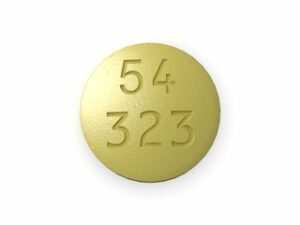
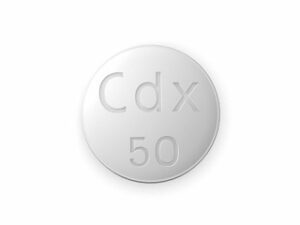
Bicalutamide: A Patient Guide for Australia
Basic Product Information
| Active Ingredient (INN) | Bicalutamide |
|---|---|
| Common Australia Brand Names | Casodex®, Bicalox®, Bicalutamide Sandoz®, Bicalutamide Accord® |
| ATC Code | L02BB03 |
| Available Forms & Strengths | Tablets: 50 mg and 150 mg |
| Major Manufacturers | AstraZeneca Pty Ltd, Sandoz Pty Ltd, Accord Healthcare Pty Ltd, Mylan Australia |
| Prescription Status | Prescription only (Schedule 4, S4) |
Mechanism of Action
For Patients: Bicalutamide is a type of medicine called an 'anti-androgen.' It works by blocking the action of male hormones (androgens) such as testosterone, which can help slow or stop the growth of prostate cancer cells. It does not lower the amount of testosterone in your body, but rather prevents testosterone from affecting the cancer.
For Health Professionals: Bicalutamide selectively binds to androgen receptors, inhibiting androgen-mediated cell proliferation in prostate tissue. It exhibits both anti-androgenic and weak partial agonist effects. It is frequently used as part of combined androgen blockade with LHRH analogues, or as monotherapy, particularly in patients with non-metastatic prostate cancer.
Pharmacokinetics
- Absorption: Bicalutamide is well-absorbed from the gastrointestinal tract. Peak plasma concentrations are typically reached within 30–45 minutes of oral administration. Food does not significantly affect absorption.
- Metabolism: The medicine is largely metabolised in the liver, primarily via cytochrome P450 (CYP3A4). The main circulating form is the (R)-enantiomer.
- Elimination: Bicalutamide and its metabolites are excreted through both urine and stools. The elimination half-life is about 6 days, supporting once-daily dosing.
- Duration of Action: Due to its long half-life and slow elimination, therapeutic blood levels remain stable with once-daily dosing.
Use in Everyday Life and Best Practices
Bicalutamide is typically prescribed as a long-term treatment for advanced, metastatic, or locally advanced (sometimes even earlier) prostate cancer in Australia. Your doctor may prescribe it alone or in combination with other treatments such as LHRH analogues (e.g., goserelin).
- Typical adult dose: 50 mg or 150 mg once daily, depending on your specific condition and whether used as monotherapy or combination therapy.
- Take your tablet at the same time each day to ensure steady levels in your body.
- Swallow the tablet whole, with a glass of water. Do not crush or chew.
- If you miss a dose, take it as soon as you remember – but no double doses.
- Bicalutamide may be a lifelong medicine for some patients. Continue taking it unless advised by your doctor.
Dosing: Morning vs Evening
- There is no significant difference in effect whether you take bicalutamide in the morning or evening. The most important factor is consistency – take it at the same time daily.
- Some patients prefer mornings to avoid forgetting. If you take other medicines in the morning, you might add bicalutamide to your routine.
- If side effects such as fatigue occur, some may switch to evening dosing, but always consult your doctor first.
- Try tying your dose to a daily habit (e.g., breakfast, brushing teeth) for regularity.
Taking with Food or on an Empty Stomach
- Bicalutamide can be taken with or without food – meals do not significantly affect how your body absorbs the medicine.
- If you feel stomach upset, try taking it with food, such as your main meal or after a light breakfast – common in Australia diets (e.g., toast, cereal, fruit).
- It is safe to pair with tea or milk, but avoid excessive grapefruit, as it may interact with your medication metabolism.
Interaction Warnings
| Type | Interaction | Advice |
|---|---|---|
| Food | No significant effect from most foods | Can be taken with or without meals; avoid excessive grapefruit |
| Alcohol | No direct interaction, but may worsen tiredness or liver strain | Limit alcohol, especially if experiencing drowsiness |
| Other Medicines | Warfarin, statins, ciclosporin, tamoxifen, LHRH analogues | Inform your doctor; monitor for increased or decreased effectiveness or side effects |
| Herbal Supplements | St John’s Wort, high-dose antioxidants | May reduce effects; consult your pharmacist before use |
| Liver Function | Patients with liver disease | Regular monitoring of liver tests; dose adjustment may be needed |
Indications
| Indication | Status |
|---|---|
| Treatment of locally advanced and metastatic prostate cancer, in combination with LHRH analogues | Approved (PBS reimbursed) |
| Monotherapy for non-metastatic, locally advanced prostate cancer | Approved (PBS reimbursed) |
| Off-label: hirsutism in females, other androgen-dependent conditions | Off-label (not PBS reimbursed) |
| Prevention of tumour flare at the start of LHRH analogue therapy | Approved |
| Adjunct to surgical castration (orchidectomy) | Approved |
Dosing According to Clinical Indication
| Patient Group | Typical Dose | Duration |
|---|---|---|
| Adults (Prostate Cancer, Combination Therapy) | 50 mg once daily | Long-term/lifelong; as directed by oncologist |
| Adults (Monotherapy – Locally Advanced Disease) | 150 mg once daily | Long-term/lifelong; as directed |
| Elderly Patients | As above (no dose adjustment required) | Monitor closely for side effects |
| Pediatric Patients | Not recommended | Use not established |
| Mild Liver or Kidney Impairment | Generally no dose adjustment needed | Monitor liver function |
Safety Profile and Side Effects
Bicalutamide is generally well-tolerated, but as with all medicines there may be side effects.
| Frequency | Possible Side Effects |
|---|---|
| Common (>1 in 10) |
|
| Occasional (1 in 100 to 1 in 10) |
|
| Rare (<1 in 100) |
|
Tell your doctor or pharmacist if you develop persistent nausea, dark urine, yellow skin/eyes, cough, chest pain, or severe fatigue.
Guidelines for Proper Use
- Always use bicalutamide exactly as prescribed by your doctor.
- Pharmacy advice: Report any new symptoms or other medications to your pharmacist, especially over-the-counter or complementary medicines.
- Regular follow-ups and blood tests are important to monitor the drug’s effect and check your liver function.
- If travelling, carry your medication in its original packaging and prescription.
- Store at room temperature, away from moisture and heat – safe in most Australia homes.
- Do not share your medicine, even if others have similar symptoms.
- Seek immediate care for signs of severe allergic reaction or unexplained breathing problems.
Alternative Treatment Options
- Pharmaceutical alternatives (PBS reimbursed):
- Flutamide: Older anti-androgen, more frequent dosing, potentially more liver side effects.
- Enzalutamide: Used for metastatic castration-resistant prostate cancer, newer agent, more expensive and different side effect profile (e.g., risk of seizures, hypertension).
- Abiraterone acetate: Used in combination with prednisone for advanced prostate cancer, requires monitoring of blood pressure and potassium.
- LHRH agonists (e.g., goserelin, leuprorelin): Injectable, can be used alone or with anti-androgens.
- Non-pharmaceutical options:
- Surgery (orchidectomy – removal of the testicles)
- Radiotherapy
- Active surveillance for low-risk disease
- Pros: Bicalutamide is well-established, oral, and widely available.
- Cons: May be less effective for certain advanced, hormone-resistant cancers compared to next-generation anti-androgens.
Legal, Registration, and Reimbursement Status in Australia
- Registered by the Therapeutic Goods Administration (TGA)
- Prescription-only: Schedule 4 (S4)
- Listed and reimbursed under the Pharmaceutical Benefits Scheme (PBS) for locally advanced/metastatic prostate cancer (see current PBS schedule for item numbers and conditions)
- Not reimbursed for non-cancer androgen-dependent conditions
- Prescriptions may be issued by GPs or specialists; PBS subsidy often requires a urologist or oncologist’s authority
Latest Research & Clinical Guidance (2022–2025)
- According to recent English guidelines (NICE, EAU 2023), bicalutamide remains a first-line option for hormone-sensitive prostate cancer, as part of combination androgen blockade or monotherapy for specific patient groups.
- Recent trials (e.g., STAMPEDE, 2023) confirm that next-generation agents (enzalutamide, abiraterone) provide greater survival benefits for some patients with metastatic disease, but bicalutamide continues to be appropriate in selected cases, particularly for men with lower risk or comorbidities. (Eur Urol. 2023; Lancet Oncology 2023)
- Australian and Asia-Pacific Society of Urological Surgeons (2024) recommend regular monitoring of liver function and side effects; suggest shared decision-making to account for patient preference and quality of life.
- Lifestyle interventions, including exercise and a Mediterranean-style diet, are encouraged to help manage side effects (see Cancer Council Australia 2023).
Availability and Delivery
Bicalutamide is available from most community and hospital pharmacies across Australia.
| Pack Size | Indicative Price (PBS)* | PBAC Reference Code | Delivery to Major Cities* |
|---|---|---|---|
| 30 x 50 mg tablets | $6.70 (concession), up to $30 (general) | 3057M | 1–2 days: Sydney, Melbourne, Brisbane |
| 30 x 150 mg tablets | $6.70 (concession), up to $30 (general) | 3058H | 2–3 days: Perth, Adelaide, Canberra |
*Prices and delivery times are indicative; check with your local pharmacy for up-to-date information.
Frequently Asked Questions (FAQ)
- Can I keep taking bicalutamide long-term?
Most patients remain on bicalutamide for as long as it is controlling their cancer, sometimes for many years. Your doctor will monitor you regularly to make sure it is working and to watch for side effects. - What if I miss a dose?
Take it as soon as you remember. If it is almost time for your next dose, skip the missed dose – never double up. Missing a single dose is unlikely to affect your treatment. - Are there foods I should avoid while taking bicalutamide?
No specific foods need to be avoided, but limit grapefruit and excessive alcohol. Eat a healthy, balanced diet as advised by your health team. - Does bicalutamide cause hair loss or weight gain?
Hair thinning can occur in a minority of patients, but weight gain is more likely (especially with reduced physical activity). A healthy diet and regular exercise can help. - Can I still drive or operate machinery?
Most patients can, but if you experience drowsiness or dizziness, do not drive or use machinery until you feel safe and alert.