

Daliresp (Roflumilast) – Patient Information Guide (Australia)
1. Basic Product Information
| International Nonproprietary Name (INN) | Roflumilast |
|---|---|
| Brand Names (Australia) | Daliresp, Roflumilast Sandoz (no generic listed June 2024) |
| ATC Code | R03DX07 |
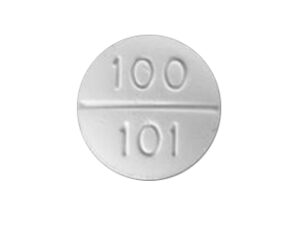
| Available Forms & Strengths | Film-coated tablets: 500 micrograms (0.5 mg) |
| Manufacturers | AstraZeneca, Sandoz, various international manufacturers |
| Prescription Status (Australia) | Prescription-only Medicine (Schedule 4, PBS listed) |
2. Mechanism of Action
For Patients:Roflumilast works by reducing inflammation in the lungs. It helps keep your airways open so you can breathe more easily, especially if you have long-term lung conditions like chronic obstructive pulmonary disease (COPD).
For Healthcare Professionals:Daliresp is a selective phosphodiesterase-4 (PDE4) inhibitor. It increases intracellular cAMP levels, leading to reduced neutrophil and eosinophil activity, and down-regulation of inflammatory mediator release in airway tissues.
3. Pharmacokinetics
- Absorption: Well absorbed orally; peak plasma concentrations occur in about 1 hour (roflumilast) and 8 hours (active metabolite, roflumilast N-oxide).
- Metabolism: Extensive hepatic metabolism mainly via CYP3A4 and CYP1A2 to the active N-oxide metabolite.
- Elimination: Excreted in urine (70%) and faeces (20%).
- Duration of Action: Long; suitable for once daily dosing due to the half-life (average 17 hours for the N-oxide metabolite).
4. Use in Everyday Life and Best Practices
Daliresp is typically used as part of a comprehensive management plan for severe COPD, especially in patients with chronic bronchitis and a history of frequent exacerbations.
- Usual Dose: One 500 microgram tablet taken once daily.
- Who Should Take It: Adults with moderate to severe COPD, on top of bronchodilator therapy.
- How to Take: Swallow the tablet whole with water. Do not crush or chew.
- Who Should Not Take: Not recommended for children. Use with caution in patients over 65 years.
- Keep a regular daily routine: Take at the same time each day.
- Discuss with your GP or pharmacist if you have liver problems, depression, or significant weight loss recently.
5. Dosing in the Morning vs Evening
- Morning: Many people prefer taking Daliresp in the morning to build a routine and reduce risk of forgetting.
- Evening: Suitable for patients who find it easier to remember doses at night or who experience mild side effects best tolerated before sleep.
- General Tip: Choose a time of day that suits your schedule and stick with it for consistency.
- Food Intake: Does not significantly affect absorption – see next section.
6. Taking with Food or on an Empty Stomach
Daliresp can be taken with or without food. There is no significant effect of meals on the absorption or effectiveness of the drug. Eating a balanced English diet (including breakfast, lunch, and dinner) should not interfere with the medication. If you experience nausea, try taking the tablet with a small meal.
7. Interaction Warnings
| Substance/Drug | Interaction | Advice |
|---|---|---|
| Alcohol | Possible additive effect on mood changes or weight loss | Limit intake, monitor for side effects |
| CYP3A4 Inducers (e.g., carbamazepine, phenytoin, rifampicin, St John's wort) | May lower roflumilast levels | Avoid concurrent use |
| CYP3A4 Inhibitors (e.g., ketoconazole, erythromycin, cimetidine) | May increase roflumilast levels | Monitor for increased side effects |
| Theophylline | Additive side effects (nausea, insomnia) | Use cautiously |
| Warfarin | No significant interaction | No specific warning |
| Grapefruit juice | Potential enzyme inhibition | Consume in moderation |
8. Indications
| Indication | Use in Australia |
|---|---|
| Severe COPD (chronic bronchitis type) with exacerbations | Official PBS-approved use; in adults only |
| Asthma (adjunct therapy, select cases) | Off-label, specialist discretion only |
| Other chronic inflammatory lung diseases | Not routinely recommended |
9. Dosing According to Clinical Indications
| Group | Typical Dose | Adjustments |
|---|---|---|
| Adult (18–65 years) | 500 mcg once daily | No initial adjustment |
| Elderly (>65 years) | 500 mcg once daily | Monitor closely for side effects; reduce if poorly tolerated |
| Renal Impairment | 500 mcg once daily | No dose adjustment needed |
| Hepatic Impairment (mild; Child-Pugh A) | 500 mcg once daily | Use with caution |
| Children <18 years | Not recommended | Safety/efficacy not established |
10. Safety Profile & Side Effects
Daliresp is generally well tolerated, but some patients may experience side effects, especially when first starting treatment.
| Frequency | Side Effects | Comments |
|---|---|---|
| Common (1–10%) | Diarrhoea, weight loss, nausea, headache, insomnia, reduced appetite, abdominal pain | Often mild and resolve with continued use |
| Uncommon (0.1–1%) | Depression, anxiety, tremor, muscle cramps | Report promptly to your GP |
| Rare (<0.1%) | Suicidal thoughts, allergic reactions (rash, swelling, breathing difficulties) | Seek urgent medical help |
| Warnings | Significant weight loss, persistent diarrhoea, mood changes | Stop taking and consult immediately |
11. Guidelines for Proper Use (Australia-Specific Advice)
- Always follow your doctor or pharmacist’s instructions.
- Continue other COPD treatments (inhalers, etc) as prescribed.
- Check your weight weekly for the first 3 months; report significant loss (>5–10% of body weight).
- See your GP regularly for routine monitoring and blood tests.
- Let your care team know if you have a history of depression or mental illness.
- Store at room temperature, out of direct sunlight, and away from children and pets.
- Dispose of unused tablets via your local pharmacy’s Return Unwanted Medicines (RUM) bin.
- Do not share your medicine with anyone else.
12. Alternative Treatment Options (PBS reimbursed – Australia)
- Inhaled Corticosteroids (ICS): Examples include budesonide, fluticasone (Can cause oral thrush, usually combined with bronchodilators. PBS listed.)
- Long-acting Beta2 Agonists (LABAs): E.g., salmeterol, formoterol (Can be used in combination with ICS or anticholinergics.)
- Long-acting Muscarinic Antagonists (LAMAs): E.g., tiotropium (Effective for symptom control and exacerbation reduction.)
- Antibiotics (macrolides, intermittent): Used in some with frequent exacerbations, but with risk of resistance and side effects.
Comparative Pros & Cons:
Roflumilast may offer added benefit for those still experiencing frequent exacerbations despite optimal inhaled therapy. Inhaled therapies are more established, especially for initial management.
13. Legal, Registration & Reimbursement Status
- Regulation: Registered on the Australian Register of Therapeutic Goods (ARTG).
- Prescription: Required (Schedule 4 in the Poisons Standard).
- PBS Status: PBS listed for severe COPD with chronic bronchitis and frequent exacerbations.
- Reimbursement: Available for eligible patients meeting clinical criteria; check with your prescriber or pharmacist.
14. Latest Research & Clinical Guidance (2022–2025)
- A 2023 update by the Australian COPD-X Guidelines recommends roflumilast for patients experiencing exacerbations despite maximal inhaled therapy (Yang et al., 2023, Med J Aust. 218(2): 90–96).
- A large meta-analysis (Wilkinson et al., 2022, Lancet Resp Med. 10(1): 50–62) confirmed that roflumilast reduces exacerbation rates by 17–20% compared to placebo in severe COPD.
- Australian real-world data (Gibson & McDonald, 2024, Respirology) suggest similar safety and tolerability to those reported in clinical trials.
- Ongoing trials are evaluating benefits for asthma-COPD overlap and specific subgroups with eosinophilic airway inflammation.
15. Availability and Delivery (Australia)
| Pack Size (tablets) | Indicative Price (AUD) | Delivery Time (Sydney, Melbourne, Brisbane, Perth, Adelaide) |
|---|---|---|
| 28 | $85–$95 (private); with PBS copayment (standard rates apply) | Same day–3 days (metro); 3–5 days (regional/remote) |
| 56 | $165–$180 (private); with PBS copayment | As above |
Check stock and local regulations with your pharmacy; Daliresp may need to be ordered in from the wholesaler.
16. Frequently Asked Questions (FAQ)
Q: How long does it take for Daliresp to work?A: It may take several weeks before you notice a reduction in COPD flare-ups. Symptoms like cough and breathlessness may improve gradually; always keep using your other inhalers as prescribed.
Q: What should I do if I miss a dose?
A: Take the missed dose as soon as you remember if it is within 12 hours. If more than 12 hours have passed, skip the missed dose and take your next dose at the usual time. Do not double the dose.
Q: Can I take Daliresp with other COPD medications?
A: Yes, Daliresp is intended as an add-on to inhaled therapies (such as bronchodilators and corticosteroids). Always inform your doctor or pharmacist about all your current medications.
Q: Will Daliresp cure my COPD?
A: Daliresp does not cure COPD, but it helps to reduce exacerbations and improve quality of life in many patients when used as part of a comprehensive management plan.
Q: What if I experience severe side effects?
A: If you develop persistent diarrhoea, major weight loss, severe abdominal pain, or mental health changes (like low mood or suicidal thoughts), stop Daliresp and contact your doctor or emergency services immediately.
Contact your local pharmacist or GP for more information about Daliresp (Roflumilast), prescription queries, or side effect reporting. For urgent medical help, call 000. For medicines advice, ring the Medicines Line on 1300 633 424.