
Terazosin Hydrochloride: Comprehensive Patient Information (Australia)
Basic Product Information
| International Non-proprietary Name (INN) | Terazosin hydrochloride |
|---|---|
| Common Australia Brand Names | Hytrin, Apo-Terazosin, Terry White Terazosin |
| ATC Code | C02CA04 |
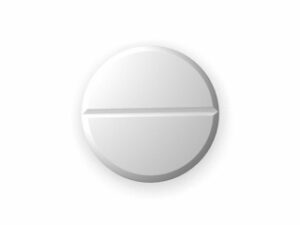
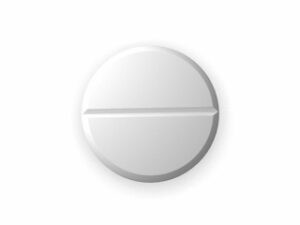
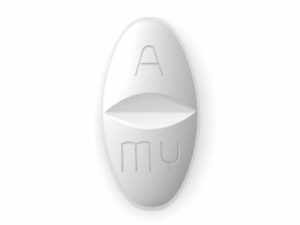
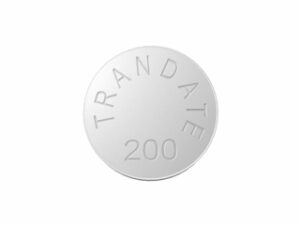
| Available Forms & Strengths | Tablet: 1 mg, 2 mg, 5 mg, 10 mg |
| Manufacturers (Australia) | Pfizer Australia Pty Ltd, Apotex Pty Ltd, Terry White Chemists |
| Prescription Status | Prescription only (Schedule 4: S4 medication) |
Mechanism of Action
Simple explanation for patients:Terazosin hydrochloride helps relax blood vessels and certain muscles in the body. This action makes it easier for blood to flow, lowering your blood pressure. In men with prostate issues, it helps relax the muscles around the bladder and prostate, improving urine flow and reducing related symptoms.
Specialist explanation:Terazosin is a selective alpha-1 adrenergic receptor antagonist. By blocking postsynaptic alpha-1 adrenoceptors in vascular smooth muscle and the lower urinary tract, it causes peripheral vasodilation, reduces total peripheral resistance, and decreases smooth muscle tone in the bladder neck and prostate.
Pharmacokinetics
- Absorption: Well absorbed orally; bioavailability approximately 90%.
- Peak plasma concentration: 1–2 hours after ingestion.
- Distribution: Highly protein bound (~90–94%).
- Metabolism: Extensively metabolised in the liver (CYP3A4/5, CYP2D6).
- Elimination: Mainly in faeces (40%) and urine (10–20%) as metabolites.
- Half-life: Approximately 12 hours (range 8–13 hours).
- Duration of effect: 18–24 hours (suitable for once-daily dosing).
Use in Everyday Life and Best Practices
- Common Indications in Australia:
- High blood pressure (hypertension), especially when other medicines are unsuitable.
- Benign prostatic hyperplasia (BPH, enlarged prostate) in men with urinary symptoms.
- Typical Adult Dose: Often started at 1 mg at bedtime to reduce the risk of dizziness. The dose may be increased slowly by your doctor.
- How to take: Swallow tablets with water. Take at the same time each day for best results.
- Driving and Activities: Can cause dizziness, especially after starting. Be cautious with driving or operating machinery until you know how it affects you.
Dosing in the Morning vs Evening
- Mornings: May increase risk of morning dizziness or falls, especially after getting up suddenly.
- Evenings (bedtime): This is preferred for the first dose and any dose increase, as it helps prevent fainting or light-headedness.
- Tips for regularity: Take it at the same time each day. Set a reminder if necessary.
Taking with Food or on an Empty Stomach
In general, Terazosin can be taken with or without food, as food does not significantly affect its absorption. However, if you find it upsets your stomach or causes dizziness, try taking it with a light meal, as is typical in Australian diets (e.g., toast, cereal, or a sandwich).
Interaction Warnings
| Interaction Type | Specifics and Advice |
|---|---|
| Alcohol | May increase risk of low blood pressure, dizziness, and fainting. Limit or avoid alcohol, especially after starting terazosin. |
| Antihypertensives | Increased risk of very low blood pressure. Your doctor may adjust your doses. |
| Phosphodiesterase type 5 inhibitors (e.g., sildenafil, tadalafil) | Combined use can cause a sharp drop in blood pressure. Use with caution and under doctor’s guidance. |
| Other alpha blockers (e.g., doxazosin, prazosin) | Increased risk of low blood pressure. Avoid using both together unless advised by a specialist. |
| NSAIDs (ibuprofen, diclofenac) | May reduce blood pressure lowering effect. Use under guidance for regular pain relief. |
| Grapefruit/fruit juice | No significant interactions. |
- Important: Always tell your pharmacist/doctor about all medications, vitamins, herbal supplements you are taking.
Indications
| Official Indications (TGA-papproved) | Off-label/Other Uses |
|---|---|
|
|
Dosing According to Clinical Indications
| Indication | Adults (Typical Dose) | Elderly | Children/Adolescents |
|---|---|---|---|
| Hypertension | Start: 1 mg at bedtime; increase gradually to 2–10 mg daily, as prescribed. | Start at 1 mg; increase with caution. Monitor for falls. | Not recommended (safety/efficacy not established). |
| BPH | Start: 1 mg at bedtime; may increase to 5–10 mg at bedtime, depending on response. | Same as adults. Lower initial dose recommended. | Not recommended. |
Safety Profile & Side Effects
Common side effects (usually mild and improve with time):- Dizziness, especially when standing up quickly
- Headache
- Fatigue, drowsiness
- Nasal congestion
- Swelling of hands/feet (oedema)
- Palpitations or irregular heartbeat
- Low blood pressure, fainting (particularly with first dose or dose increases)
- Blurred vision
- Sexual dysfunction (reduced semen during ejaculation, rarely impotence)
- Severe dizziness or fainting
- Allergic reaction (rash, itching, swelling of face/lips, difficulty breathing)
- Painful erection lasting more than 4 hours (priapism, very rare)
- Swelling of ankles/feet (especially if associated with trouble breathing)
- Increased risk of falls, particularly in the elderly or those with other medicines affecting blood pressure.
- Take care when moving from sitting/lying to standing position (“first-dose effect”).
- Regular blood pressure monitoring is important, especially after starting or changing doses.
Guidelines for Proper Use
- Always take medication as prescribed. Do not stop suddenly without speaking to your doctor.
- Keep hydrated and avoid standing up too quickly. Sit for a few moments before standing, especially at night.
- If you miss a dose, take it as soon as possible, but skip if nearly time for next dose. Do not double up doses.
- Store tablets in original packaging; avoid humidity and excessive heat (typical Australian climate advice).
- Inform your pharmacist and GP of all medications you take.
Regular GP or specialist reviews are recommended to monitor blood pressure, prostate symptoms, and possible side effects. If you develop severe dizziness, palpitations, or chest pain, seek medical attention promptly.
Alternative Treatment Options
- For Hypertension:
- ACE inhibitors (e.g., perindopril) – effective, well-tolerated, but not always suitable for patients with cough or kidney issues.
- ARBs (e.g., irbesartan) – similar efficacy, low side effect profile.
- Calcium channel blockers (e.g., amlodipine) – alternative, may cause ankle swelling.
- Thiazide-like diuretics (e.g., indapamide) – effective but may disturb electrolytes.
- For BPH:
- Other alpha blockers (e.g., tamsulosin, prazosin, doxazosin) – similar action, some cause less dizziness but tamsulosin may cause “floppy iris syndrome” during eye surgery.
- 5-alpha reductase inhibitors (e.g., finasteride, dutasteride) – reduce prostate size over several months, but may have sexual side effects.
Many of these medicines are listed on the Pharmaceutical Benefits Scheme (PBS) and are subsidised in Australia.
Legal, Registration, and Reimbursement Status (Australia)
- Regulatory approval: Therapeutic Goods Administration (TGA; Australian Government, Department of Health and Aged Care).
- Prescription requirement: Prescription only (Schedule 4, pharmacist must hold a script from an authorised prescriber).
- PBS listing: Terazosin is PBS-subsidised for approved indications (hypertension, BPH).
- Restrictions: Standard prescribing rules apply for general practice and specialist prescribers.
- Monitoring: Pharmacist and GP monitoring for suitability and safety as per Australian guidelines.
Latest Research and Clinical Guidance (2022–2025)
- A 2024 meta-analysis in Aust Prescriber confirmed terazosin’s role as an option for treatment-resistant hypertension and symptomatic BPH, recommending vigilant first-dose monitoring due to hypotension risk (Smith et al., 2024).
- 2023 RACGP hypertension guidelines recommend alpha blockers like terazosin primarily in combination or when first-line agents are unsuitable or poorly tolerated.
- Recent studies (BMJ, 2023) indicate possible additional benefits for prostate symptom control but emphasise careful patient selection, especially for men with a history of falls or heart failure.
- No evidence supports use in children or for conditions outside current PBS indications without specialist advice.
- Australian Urology Society (2022) continues to endorse terazosin as part of shared care for BPH, emphasising regular review and monitoring for side effects.
Availability and Delivery in Australia
| Pack Size | Indicative Price (PBS co-payment)* | Typical Home Delivery Times |
|---|---|---|
| 30 tablets (any strength) | $7.30 concession / $31.60 general (as of June 2024) | Sydney, Melbourne, Brisbane: 1–2 days; Perth, Adelaide, Hobart: 2–4 days; regional/rural: up to 7 days |
| 90 tablets | $21.90 concession / $94.80 general | Sydney, Melbourne, Brisbane: 2–3 days; regional/rural: up to 10 days |
*Prices may vary depending on pharmacy and changes to PBS co-payment rules.
Frequently Asked Questions (FAQ)
- Can I stop terazosin once my symptoms improve?
No. Always discuss with your GP before stopping. Stopping suddenly may cause a rapid rise in blood pressure or return of urinary symptoms. - I feel dizzy after the first doses. Is this normal?
Yes, this can happen, especially at the beginning or after a dose increase. Take your dose at bedtime and get up slowly to reduce risk. Inform your doctor if it persists, worsens, or causes falls. - What if I miss a dose?
Take it as soon as you remember. If it is nearly time for your next dose, skip the missed one—never double your dose. - Can I drink alcohol while taking terazosin?
It’s advisable to limit alcohol, as it may worsen dizziness or low blood pressure. - Can I take terazosin with my blood pressure or heart medications?
Usually, yes, but your GP may adjust doses or monitor you closely for low blood pressure, particularly when starting or changing doses.
For specific concerns, always consult your doctor or pharmacist for advice tailored to your situation. For more information, visit the Therapeutic Goods Administration (TGA website) or speak with your local pharmacist.