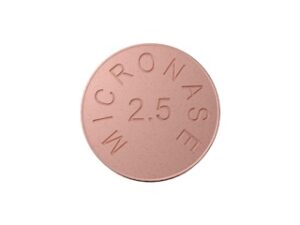
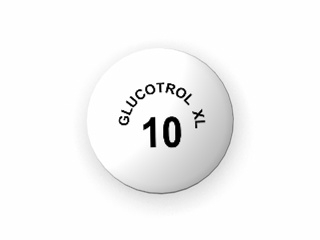

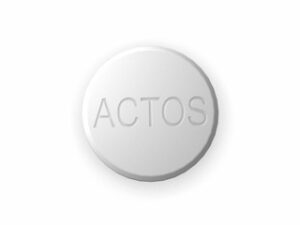
Glucotrol (Glipizide) – Comprehensive Patient Information for Australia
Basic Product Information
| International Nonproprietary Name (INN) | Glipizide |
|---|---|
| Australia Brand Names | Glucotrol, Minidiab, Melizide (selection varies by manufacturer and pharmacy) |
| ATC Code | A10BB07 |
| Available Forms & Strengths | Tablets: 2.5 mg, 5 mg, 10 mg (immediate and modified release) |
| Manufacturers | Pfizer, Alphapharm (Viatris), various generic manufacturers |
| Prescription Status | S4 — Prescription Only Medicine. Dispensed with a script from a registered Australian medical practitioner. |
Mechanism of Action
In Simple Terms:
Glipizide belongs to the sulfonylurea class of medicines. It helps lower blood glucose levels by encouraging your pancreas to release more insulin, a vital hormone that helps move sugar from your blood into your body’s cells to be used as energy. Glipizide works best in people whose bodies can still make at least some insulin on their own.
For Specialists:
Mechanistically, glipizide stimulates insulin secretion by binding to sulfonylurea receptors (SUR1) on pancreatic beta cells. This binding closes ATP-sensitive potassium channels, leading to depolarisation, calcium influx, and exocytosis of pre-formed insulin granules. There is also evidence of modest extrapancreatic effects on hepatic glucose production and insulin sensitivity.
Pharmacokinetics
- Absorption: Rapidly and well-absorbed after oral administration (peak plasma concentration typically within 1–3 hours for immediate-release and 4–6 hours for modified-release forms).
- Metabolism: Extensively metabolised in the liver through hepatic cytochrome P450 enzymes, primarily CYP2C9.
- Elimination: Mostly renal (urine, as inactive metabolites); minimal unchanged drug excreted. Half-life is 2–4 hours (immediate release), up to 7 hours (modified-release).
- Duration of Action: Usually 12–24 hours; once or twice daily dosing may be required.
People with significant liver or kidney impairment may need dose adjustments due to reduced drug clearance.
Use in Everyday Life & Best Practices (Australian Context)
- Typical Doses: For adults, Glipizide is usually initiated at 2.5–5 mg daily, with incremental titration according to your blood glucose results, up to a maximum dose of 40 mg daily (may be divided into multiple doses).
- How to Use: Swallow the tablet whole with a glass of water. Take at approximately the same time(s) each day as prescribed by your doctor. Do not crush or chew modified-release formulations.
- Monitoring: Regular blood glucose monitoring is essential to guide dosing and reduce the risk of hypoglycaemia (low blood sugar).
- Lifestyle: It is crucial to maintain a healthy diet (such as the Australian Dietary Guidelines), stay physically active, and keep regular medical check-ups.
- Travel & Routine: If travelling, bring sufficient medication and keep your dosing schedule consistent, adjusting for significant time zone differences if necessary (discuss with your healthcare provider).
- Missed Dose: If you miss a dose, take it as soon as you remember. Skip it if it’s nearly time for your next dose. Do not double the dose.
Dosing: Morning versus Evening
- Morning Dosing: Often recommended due to better matching with daily food intake and lower risk of overnight hypoglycaemia. Also aids in establishing medication routine.
- Evening Dosing: May occasionally be prescribed for people with specific blood glucose patterns (e.g., late evening hyperglycaemia), but carries a greater risk of nocturnal low blood sugar. Should only be prescribed under medical supervision.
- Tips: Take with breakfast or your first main meal if possible. Always follow prescriber’s instructions, and ask your pharmacist for advice if unsure.
Taking with Food or on an Empty Stomach
For most Australians, Glipizide is best taken 30 minutes before breakfast or your first substantial meal of the day.
Why? This reduces the risk of gastrointestinal upset, promotes optimal absorption, and helps synchronise the medicine’s peak effect with food intake, helping to prevent low blood sugar.
If you eat a typical English/Australian breakfast (e.g., cereal, toast, eggs), remember to take your dose before you begin eating.
Do not take Glipizide on a completely empty stomach without intending to eat soon, as this can cause hypoglycaemia.
Interaction Warnings
| Type | Interaction Details |
|---|---|
| Food | Food slightly reduces absorption, but is generally safe. Avoid taking with high-fat meals, which can delay its effect. |
| Alcohol | Alcohol can increase the risk of hypoglycaemia and mask warning signs; avoid or strictly limit intake. |
| Medicines |
|
Indications for Use
| Condition | Approved/Official (TGA) | Off-label |
|---|---|---|
| Type 2 Diabetes Mellitus (Adult) | ✔ Yes | - |
| Type 2 Diabetes (Pediatric & Adolescent) | - | Limited off-label use (specialist only) |
| Other forms of diabetes | - | Not routinely |
Dosing According to Clinical Indication
| Population | Initial Dose (mg/day) | Usual Dose Range (mg/day) | Max Dose (mg/day) | Comments |
|---|---|---|---|---|
| Adults | 2.5–5 | 5–20 (divided if needed) | 40 | Titrate in 2.5–5 mg steps at 1–2 week intervals |
| Elderly (or renal/hepatic impairment) | 2.5 | as tolerated | Varies | Start low, go slow; strict monitoring |
| Children | - | - | - | Not routinely used (specialist advice only) |
Safety Profile & Side Effects
| Frequency | Side Effect | Comments / Actions |
|---|---|---|
| Common (>1/100) | Low blood sugar (hypoglycaemia) | Recognise early signs: sweating, shaky, dizzy, hunger; keep glucose source on hand |
| Common | Nausea, bloating, mild stomach upset | Usually short-lived; take before food |
| Occasional | Headache, tiredness, skin reactions (rash, itching) | Report persistent or severe symptoms to your doctor |
| Rare (<1/1,000) | Severe allergic reaction, jaundice, significant blood disorders | Stop medicine and seek urgent medical help |
| Other | Weight gain, changes in liver enzymes, visual disturbances | Discuss with your healthcare provider during reviews |
- Hypoglycaemia: Most important risk. Recognise and treat promptly with glucose tablets or sugary snacks.
- Pregnancy & Breastfeeding: Generally not recommended. Other medicines preferred. Consult your specialist.
- Driving: Be alert for symptoms of low blood sugar — may impair driving safety.
Guidelines for Proper Use (Pharmacist/Clinic Advice)
- Follow your GP, endocrinologist, or diabetes educator’s instructions closely. Do not alter the dose yourself.
- Keep a record of your blood glucose readings — bring these to appointments.
- Attend regular diabetes reviews, blood tests (HbA1c, renal/liver function), and check for complications.
- Always carry some form of fast-acting sugar (e.g., jellybeans, glucose tablets).
- Notify your doctor if you become pregnant, undergo a major operation, or have a significant illness or infection.
- Update your medicine list with your pharmacist regularly and check for drug interactions.
- Store tablets at room temperature (below 25°C), away from moisture and direct sunlight.
Alternative Treatment Options
- Metformin (Diabex, Glucophage): First-line therapy in most patients. Less risk of low blood sugar, may cause gut upset. Funded by the PBS and widely available.
- DPP-4 inhibitors (e.g., sitagliptin, saxagliptin): Newer; low hypo risk. Taken orally. More expensive, but many are PBS-listed for eligible patients.
- SGLT2 inhibitors (e.g., dapagliflozin, empagliflozin): Promote urinary glucose loss; help with weight reduction and heart/renal protection in some patients. Must monitor for genital/urinary tract infections.
- GLP-1 receptor agonists (e.g., dulaglutide, semaglutide): Injectable; reduce appetite, promote weight loss, evidence of cardiovascular benefit. Typically reserved for specific populations due to higher cost.
- Insulin: Injectable; essential for some and may be added when oral therapy is insufficient.
Choice depends on medical history, tolerance, risk factors, and doctor’s advice. Many are subsidised through the Pharmaceutical Benefits Scheme (PBS) for eligible Australians.
Legal, Registration, and Reimbursement Status in Australia
- Glipizide has full approval from the Therapeutic Goods Administration (TGA).
- Classified as S4 — prescription only, available from pharmacies with a valid script.
- Widely listed on the Pharmaceutical Benefits Scheme (PBS) for type 2 diabetes, subject to criteria (e.g., failure or intolerance to metformin).
- Not approved for type 1 diabetes or as sole therapy in children.
Registered product information is available via the TGA and the Australian Medicines Handbook (AMH).
Latest Research & Clinical Guidance (2022–2025)
- ADA and RACGP/ADS Guidelines (2022–2024): Sulfonylureas like glipizide are no longer first-line due to higher risk of hypoglycaemia and weight gain, but may be used where other medicines are unsuitable or not tolerated (‘Australian type 2 diabetes guidelines’, Diabetes Australia, 2023).
- Cardio-renal Safety: Recent evidence (e.g., Zinman et al., N Engl J Med, 2022) favours SGLT2 inhibitors/GLP-1 agonists for high-risk patients, but glipizide remains effective for many without high cardiovascular risk.
- Cost-Effectiveness: Glipizide is widely available and inexpensive under the PBS. However, individualisation of therapy is emphasised in all guidelines.
Availability & Delivery
| Pack Size | Typical PBS Price (concession/general) | Delivery Time – Sydney | Melbourne | Brisbane | Perth | Adelaide |
|---|---|---|---|---|---|---|
| 30 tablets (5 mg) | $7 (concessional) / $22 (general) | Next day | Next day | Next day | 2–3 days | Next day |
| 100 tablets (5 mg) | $11 (concessional) / $33 (general) | 2 days | 2 days | 2 days | 3–4 days | 2 days |
Product is available through most community pharmacies and online pharmacy services with a valid prescription. Delivery times may vary with public holidays and remote locations.
Frequently Asked Questions (FAQ)
1. What should I do if I accidentally take too much Glucotrol (glipizide)?
Take excess doses very seriously, as this can lead to dangerous low blood glucose (hypoglycaemia). If you suspect an overdose or experience severe symptoms (confusion, unconsciousness, seizures), seek emergency medical attention immediately, and call 000 if needed.
2. Can I drink alcohol while taking glipizide?
Alcohol can increase your risk of low blood sugar and mask its warning signs. If you do drink, limit yourself to modest amounts and never on an empty stomach. Discuss your drinking habits with your healthcare provider for tailored advice.
3. Can I stop glipizide if my sugar levels improve?
Never stop or alter your dose unless instructed by your doctor. Some patients may be able to reduce or discontinue sulfonylureas after sustained lifestyle improvements or addition of new diabetes medicines, but this decision must always be guided by your healthcare team.
4. Does glipizide cause weight gain?
Mild weight gain is possible due to higher insulin levels. Maintaining physical activity and healthy eating per the Australian Dietary Guidelines can help minimise this effect.
5. How do I store glipizide tablets?
Store in a dry, cool place below 25°C, out of reach of children and pets. Leave tablets in the original blister until ready to use. Dispose of old or unused medicine safely via your pharmacy's return program.
Always consult your doctor, pharmacist, or diabetes educator for personalised medical advice. This information is intended to support, not replace, professional care. For more details, visit the TGA website or Diabetes Australia.