Semaglutide: Comprehensive Patient Guide (Australia)
Basic Product Information
| International Non-Proprietary Name (INN) | Semaglutide |
|---|---|
| Australian Brand Names | Ozempic®, Rybelsus® |
| ATC Code | A10BJ06 |
| Available Forms & Strengths |
|
| Manufacturers | Novo Nordisk Pharma Pty Ltd |
| Prescription Status | Prescription only (Schedule 4; "Prescription Medicine") |
Mechanism of Action
For Patients: Semaglutide belongs to a class of medicines known as GLP-1 (glucagon-like peptide-1) receptor agonists. It helps lower blood sugar by increasing insulin release when blood sugar is high, reducing the amount of sugar released by the liver, and slowing down the movement of food through the stomach. This can also help with weight loss.
For Health Professionals: Semaglutide is a human GLP-1 analogue binding to and activating the GLP-1 receptor. It enhances glucose-dependent insulin secretion, suppresses inappropriate glucagon secretion, delays gastric emptying, and reduces appetite centrally via hypothalamic pathways.
Pharmacokinetics
- Absorption: After subcutaneous injection, peak plasma concentrations occur in 1–3 days. Oral semaglutide (Rybelsus®) achieves about 1% bioavailability due to degradation in the gut.
- Metabolism: Metabolised mainly by proteolytic cleavage and β-oxidation.
- Elimination: Cleared predominantly through urine and faeces (as amino acid fragments). Not dialysable.
- Duration of Action: Semaglutide has a long half-life (~1 week), making it suitable for once-weekly administration.
Use in Everyday Life & Best Practices (Australia)
Typical Doses:
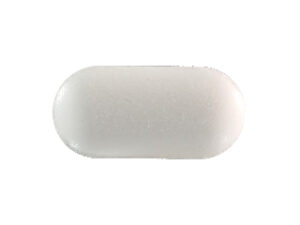
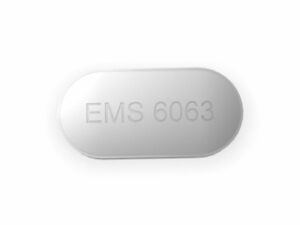
For type 2 diabetes in adults, Ozempic® is usually started at 0.25 mg once weekly as a ‘starter’ dose for 4 weeks to reduce gastrointestinal side effects. The maintenance dose is 0.5 mg once weekly, which may be increased to 1 mg if further blood sugar reduction is needed. Rybelsus® tablets are initiated at 3 mg daily for 30 days, then typically increased to 7 mg daily, with a possible increase to 14 mg for additional therapeutic effect.
How to Use (Patient Advice):
- Ozempic®: Inject subcutaneously (under the skin) in the abdomen, thigh, or upper arm, rotating sites each week. Seek advice on technique from your pharmacist or nurse.
- Rybelsus®: Swallow tablet whole with no more than 120 mL water, at least 30 minutes before first food, drink, or other medications each day.
Context for Australia: Healthcare professionals should conduct thorough patient education—needle disposal (bring-back to pharmacies), sharps bins, local guidelines for home use, and access to follow-up checks (see Diabetes Australia resources).
Dosing: Morning vs Evening
- Morning: Most patients find weekly Ozempic® doses easier to remember in the morning, in line with regular weekly routines. For Rybelsus®, morning is mandatory for optimal absorption.
- Evening: Some people may find evenings suit their schedules better for Ozempic®, but injections should always be on the same day of the week.
- Tip: Set reminders on your phone or mark your calendar. Consistency reduces missed doses.
Taking With Food or on an Empty Stomach
- Ozempic® (injection): Can be taken with or without food, with no effect on absorption.
- Rybelsus® (tablet): Must be taken on an empty stomach, at least 30 minutes before eating or drinking. This is especially important for Australians whose traditional breakfast can include coffee, tea, or cereals—hold off until after your tablet has been absorbed.
Interaction Warnings
| Interacting Substance | Effect / Risk | Advice |
|---|---|---|
| High-fat meals (Rybelsus® only) | Reduces absorption | Take before any food |
| Alcohol | May increase risk of hypoglycaemia, especially with insulin or sulfonylureas | Moderation advisable, monitor blood glucose closely |
| Oral medications (Rybelsus®) | Reduced efficacy if co-administered | Wait at least 30 minutes after Semaglutide before other medicines |
| Insulin and Sulfonylureas | Increased risk of hypoglycaemia | Consult your doctor; dosage adjustment may be needed |
| Other anti-diabetic agents | Possible additive effect | Blood glucose monitoring required |
Indications
| Condition | Regulatory Status | Notes |
|---|---|---|
| Type 2 diabetes mellitus | Approved | In combination with diet and exercise (PBS-subsidised for eligible) |
| Obesity/weight management (BMI ≥30 or BMI ≥27 with comorbidities) | Off-label; research and international approvals | Not currently reimbursed by PBS for this use |
| Cardiovascular risk reduction in type 2 diabetes | Approved in some settings | For patients with established cardiovascular disease |
Dosing by Clinical Indication
| Population | Ozempic® Dose | Rybelsus® Dose |
|---|---|---|
| Adult (type 2 diabetes) | 0.25 mg/week (first 4 weeks); increase to 0.5 mg/week; max 1 mg/week | 3 mg/day (30 days), then 7 mg/day; max 14 mg/day |
| Elderly (≥65 years) | Same as adult; adjust for renal/hepatic function | Same as adult; monitor renal function |
| Paediatric (12–18 years) | Not routinely recommended in Australia; specialist use only | Not approved |
| Obesity/Weight management | Off-label doses: Up to 2.4 mg/week in trials (eg, Wegovy overseas) | Not approved |
Safety Profile & Side Effects
Most people tolerate Semaglutide well, especially when dose is gradually increased. The most common side effects are gastrointestinal.
| Common Side Effects | Rare Side Effects | Warnings |
|---|---|---|
|
|
|
Guidelines for Proper Use (Australia)
- Follow the instructions provided by your doctor or diabetes educator.
- Store pens and tablets as per the label (usually fridge before first use, then at room temp for in-use pens).
- Dispose of used pens/needles in a sharps bin; return to pharmacy—never in household waste.
- If you miss a dose: Inject the missed solution as soon as you remember, if within 5 days; otherwise, skip and continue on your regular schedule. For oral tablets, skip missed dose and take the next day as usual.
- Monitor blood sugar trends, particularly when starting or changing doses.
- Attend all regular check-ups for blood sugar, weight, HbA1c, and kidney function. These reviews are often bulk-billed in Australia.
- Keep your My Health Record updated for seamless healthcare, particularly if travelling interstate.
Alternative Treatment Options
- Other GLP-1 Agonists: Dulaglutide (Trulicity®), Exenatide (Byetta®, Bydureon®)
- Other classes:
- Metformin (first-line, cost-effective, widely used)
- SGLT2 inhibitors (dapagliflozin, empagliflozin—supported for heart failure and kidney disease)
- DPP-4 inhibitors (sitagliptin, saxagliptin—oral, less effective in weight loss)
- Insulin therapy (if inadequate control—requires frequent monitoring)
- Pros & Cons:
- GLP-1 agonists (like Semaglutide) usually offer superior weight loss, but with more GI side effects and need for injection (except oral Semaglutide).
- Metformin is oral, fewer adverse effects, and first-line in most guidelines.
Legal, Registration, and Reimbursement Status in Australia
- Semaglutide is registered with the TGA (Therapeutic Goods Administration).
- Schedule 4 medicine: Only available via doctor’s prescription.
- PBS (Pharmaceutical Benefits Scheme) subsidises for type 2 diabetes if criteria met (see latest PBS criteria).
- Not currently subsidised for weight loss or obesity alone.
- Australian guidelines: ADA, RACGP endorse its use for eligible patients with type 2 diabetes; see Diabetes Australia.
Latest Research / Clinical Guidance (2022–2025)
- Major studies confirm Semaglutide’s benefits in diabetes control, weight loss, and reduction of cardiovascular events (e.g., SUSTAIN, PIONEER, STEP trials).
- RACGP and Australian Diabetes Society recommend its use in patients with established cardiovascular risk (ADA 2023/2024 guidelines).
- High demand and international recognition for obesity management, but ongoing PBS reviews as of 2024 (see Saxenda/Wegovy guidance for context).
- Latest review: “Semaglutide and cardiovascular outcomes in patients with type 2 diabetes,” New England Journal of Medicine 2019; extended Australian consensus in MJA 2022–2024.
Availability and Delivery
Semaglutide is in high demand—supply can be variable. Check with your pharmacy for current stock status.
| Pack Size | Indicative PBS/Purchase Price | Estimated Delivery (to pharmacy, major cities) |
|---|---|---|
| Ozempic® 1 mg weekly pen (4-dose) | $130 PBS co-payment / ~$130–$140 private | 1–2 days (Sydney, Melbourne, Brisbane, Adelaide, Perth) |
| Rybelsus® 7 mg (30 tablets) | $130 PBS co-payment / ~$130–$150 private | 1–3 days (Sydney, Melbourne, Brisbane); ~4 days for Darwin, Hobart |
| Ozempic® 0.5 mg pen | $130 PBS / ~$120–$130 private | Similar |
Some regional/rural areas may experience slightly longer delivery times. Pharmacies offer SMS alerts for order readiness and can assist with medication delivery in special cases (elderly, disabled).
Frequently Asked Questions (FAQ)
- How do I know if Semaglutide is right for me?
Semaglutide is suitable for patients with type 2 diabetes who need additional blood sugar lowering beyond diet, exercise, and metformin—or for those at increased cardiovascular risk. Speak to your GP or endocrinologist to see if you’re eligible under Australian guidelines. - Can I use Semaglutide for weight loss?
While international guidelines support its use for weight management, in Australia it is only officially subsidised for type 2 diabetes at this time. Off-label use may be considered by specialists, but it is not PBS-reimbursed for obesity. - What should I do if I miss a dose?
For Ozempic®, take the missed dose within 5 days or skip and take the next dose at the regular time. For Rybelsus®, skip the missed tablet and take the next one the following morning. Never double up doses. - Can I drink alcohol while taking Semaglutide?
Alcohol may increase your risk of low blood sugars, especially if you are on insulin or a sulfonylurea. Moderate, responsible consumption is generally safe, but monitor your glucose more frequently. - How do I store my Semaglutide pen or tablets?
Unused pens should be kept in the fridge (do not freeze). Once in use, store at room temperature and use within 6 weeks. Tablets should be kept in their original container, dry and below 30°C.