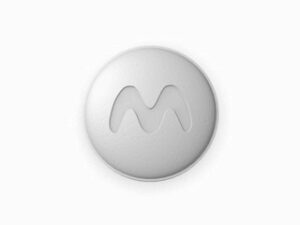
Micronase (Glyburide): Patient Information for Australian Users
Basic Product Information
| Active Ingredient (INN) | Glyburide (also known as Glibenclamide) |
| Common Australian Brand Names | Daonil®, Glimel®, Glyade® |
| ATC Code | A10BB01 |
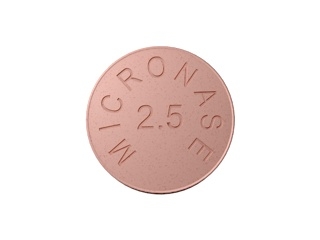
| Available Forms and Strengths | Tablets: 2.5 mg, 5 mg |
| Manufacturers | Servier, Alphapharm, Apotex, and others |
| Prescription Status | Prescription only (Schedule 4, S4) |
Mechanism of Action
For Patients: Glyburide works by helping your pancreas produce more insulin — a natural hormone that controls your blood sugar level. This lowers blood glucose, making it easier to keep your diabetes under control.
For Specialists: Glyburide is a second-generation sulfonylurea. It stimulates insulin secretion from functional pancreatic beta-cells by inhibiting ATP-sensitive potassium channels, resulting in cell depolarisation and increased calcium influx.
Pharmacokinetics
- Absorption: Well absorbed orally, bioavailability ~50–100%. Peak effect in 2–4 hours.
- Metabolism: Extensively metabolised by the liver (CYP2C9 pathway).
- Elimination: Metabolites are mostly excreted via urine (50%) and faeces (50%).
- Duration of Action: Hypoglycaemic effect lasts about 12–24 hours.
Use in Everyday Life and Best Practices in Australia
Glyburide is most commonly prescribed for adults with type 2 diabetes who cannot control blood sugar adequately with diet, exercise, or metformin alone.
Typical Doses: The starting dose for most adults is 2.5–5 mg once daily (usually in the morning). The dose may be gradually increased, under doctor supervision, to keep your blood sugars in your target range—up to a maximum of 20 mg daily, divided into one or two doses.
- Always take exactly as prescribed by your healthcare provider.
- Monitor your blood glucose regularly, especially when starting or adjusting the dose.
- Never double the dose to make up for a missed tablet.
- Attend regular reviews with your GP or diabetes clinic.
Dosing in the Morning vs. Evening
Morning Dosing (Most Common):
- Reduces the risk of overnight hypoglycaemia (low blood sugar).
- Matches typical meal patterns—most Australians eat their largest meal at lunchtime or dinner.
- May be recommended if your blood sugar is high after dinner or overnight.
- Carries a slightly higher risk of nighttime hypoglycaemia. If advised for you, monitor overnight blood glucose and discuss with your doctor or diabetes educator.
Taking with Food or on an Empty Stomach
Take glyburide with or immediately after a meal, preferably breakfast or your first main meal of the day. This helps reduce the risk of low blood sugar and fits well with the typical Australian breakfast of cereal, toast, or eggs. Do not skip meals while taking glyburide, as this increases the risk of hypoglycaemia.
Interaction Warnings
| Interaction | Possible Effect | Recommendation |
|---|---|---|
| Alcohol | Increases risk of low blood sugar or rarely, a serious reaction (disulfiram effect) | Limit alcohol; avoid binge drinking |
| Certain Antibiotics (e.g., trimethoprim, sulfamethoxazole) | May increase glyburide effect (more risk of hypoglycaemia) | Extra glucose monitoring; discuss with doctor/pharmacist |
| Beta-blockers | Can mask symptoms of hypoglycaemia (except sweating) | Monitor blood glucose carefully |
| Other Diabetes Medicines (e.g., insulin, metformin) | May increase risk of low sugar | Ensure regular meals and glucose checks |
| Corticosteroids, Diuretics | May raise blood glucose; reduce glyburide effectiveness | May need dose adjustment |
| Herbal Remedies (e.g., gymnema, fenugreek) | Possible additive effect; unpredictable | Inform your doctor/pharmacist about all supplements |
Indications
| Indication | Status in Australia | Notes |
|---|---|---|
| Type 2 Diabetes Mellitus (Non-insulin-dependent) | Approved | First- or second-line agent in adults (in combination with diet and exercise) |
| Gestational Diabetes | Not approved/off-label (alternative therapies preferred) | Occasionally used if metformin not tolerated/ineffective, but insulin usually preferred |
| Type 1 Diabetes | Not indicated | Not effective; insulin required |
Dosing According to Clinical Indications
| Population | Recommended Dose | Comments |
|---|---|---|
| Adults (Type 2 Diabetes) | 2.5–5 mg once daily (start); adjust in 2.5 mg steps, max 20 mg (divided doses) | Dose titration every 1–2 weeks; take with meals |
| Elderly | Start lower (1.25–2.5 mg daily) | Monitor closely for low blood sugar |
| Paediatric | Not routinely used; specialist advice only | Off-label; usually reserved for rare cases under specialist care |
| Patients with Renal or Hepatic Impairment | Start with lowest possible dose | Increased risk of hypoglycaemia; may not be recommended |
Safety Profile and Side Effects
- Common Side Effects:
- Low blood sugar (hypoglycaemia): dizziness, weakness, sweating, hunger, confusion, palpitations
- Nausea, mild stomach upset
- Weight gain
- Uncommon:
- Skin rash or allergic reaction
- Light sensitivity
- Rare but Serious:
- Severe hypoglycaemia (requiring assistance)
- Blood cell disorders (e.g., low white cells)
- Liver dysfunction (jaundice, abnormal tests)
Important Warnings: Always keep a source of fast-acting sugar (e.g., glucose tablets or jelly beans) handy. If major allergic reactions or persistent low blood sugar occur, seek urgent medical advice.
Guidelines for Proper Use (Pharmacist & Clinic Advice for Australians)
- Discuss individual diet, especially carbohydrate intake, with your diabetes educator or dietitian—especially if you follow an English or Mediterranean diet common in Australia.
- Avoid skipping meals and limit fasting periods (e.g., during holidays or sporting events).
- If you exercise, be aware activity can lower sugar—monitor more frequently.
- Have regular blood glucose checks and monitor HbA1c every 3–6 months.
- Inform all healthcare providers (including dentists) that you are on glyburide.
- Be alert to symptoms of high blood sugar (thirst, frequent urination) and low blood sugar (see above). Adjust lifestyle or consult at times of stress, illness, or change in activity.
- Carry diabetes identification (bracelet/card) in case of emergencies.
Alternative Treatment Options in Australia
- Metformin (first-line, PBS reimbursed): Lower risk of low blood sugar, weight-neutral; may cause stomach upset.
- DPP-4 Inhibitors (e.g., sitagliptin, vildagliptin): Less risk of hypoglycaemia, weight-neutral, PBS-listed for some patients.
- SGLT2 Inhibitors (e.g., empagliflozin, dapagliflozin): Encourage passing more sugar via urine—weight loss, blood pressure benefits; risk of genital yeast infections.
- GLP-1 Receptor Agonists (e.g., dulaglutide, semaglutide): Injectable, cause weight loss and lower cardiovascular risk; PBS restricted use criteria.
- Insulin: Preferred for severe, uncontrolled diabetes or pregnancy, requires injections.
Your doctor will choose the right option or combinations based on your needs, safety, and Australian PBS reimbursement rules.
Legal, Registration, and Reimbursement Status in Australia
- Registered with the Therapeutic Goods Administration (TGA)
- Prescription only medicine (Schedule 4)
- Available on the Pharmaceutical Benefits Scheme (PBS) for eligible patients with type 2 diabetes
- Manufactured or distributed by several TGA-licensed companies (e.g., Servier, Alphapharm, Apotex)
- Not available without a prescription in Australia
Latest Research and Clinical Guidance (2022–2025)
Australian Diabetes Society (ADS) & RACGP Guidelines:
- Metformin remains the first-line therapy; sulfonylureas like glyburide may be added if metformin alone does not achieve blood sugar targets.
- Sulfonylureas generally used as second-line, especially when cost is a concern or newer agents are contra-indicated.
- Recent data (ADA 2023, NHMRC reviews) show higher risk for hypoglycaemia and mild weight gain vs. newer classes.
- Glyburide may be less preferred in elderly and in those with kidney or liver problems, due to longer action and higher risk for low blood sugar (RACGP Diabetes Guidelines 2024).
- Not recommended for routine use in gestational diabetes — insulin or metformin preferred (Diabetes Australia 2024).
Availability and Delivery
| Pack Size | No. of Tablets | Indicative PBS Price | Private Price Estimate |
|---|---|---|---|
| 2.5 mg | 100 | ~A$6 for eligible patients | A$12–A$20 |
| 5 mg | 100 | ~A$6 for eligible patients | A$12–A$20 |
Delivery Times (Australia Major Cities):
| City | Typical Pharmacy Delivery | Notes |
|---|---|---|
| Sydney | Same day or next day | Subject to local pharmacy stock |
| Melbourne | Same day or next day | Check with pharmacy for express delivery |
| Brisbane | 1–2 days | Outer suburbs may be longer |
| Perth, Adelaide | 1–2 days | Remote areas 2–4 days |
| Canberra, Hobart, Darwin | 1–3 days | Subject to availability |
Frequently Asked Questions (FAQ)
- Can I stop Micronase or swap to a different medicine?
Only adjust or stop Micronase (glyburide) after discussing with your doctor. Sudden changes can cause unstable blood sugar or complications. - What should I do if I miss a dose?
If you realise soon after, take it with your next meal. If it's almost time for the next dose, skip the missed one—do not double up. - Is Micronase okay during pregnancy or breastfeeding?
It is not generally recommended. Insulin or metformin are preferred. Inform your doctor if you are planning pregnancy or breastfeeding. - Can I drink alcohol while taking Micronase?
Moderate, responsible drinking is generally allowed, but avoid excessive or binge alcohol, which may dangerously lower your blood sugar or cause side effects. - Does it interact with common pain medications (paracetamol, ibuprofen)?
Paracetamol is safe. Check with your pharmacist before using non-steroidal anti-inflammatory drugs (NSAIDs) like ibuprofen, as they can affect kidney function, especially if you are elderly or have existing health issues.