Cyclophosphamide: Comprehensive Patient Information (Australia)
Basic Product Information
| International Non-proprietary Name (INN) | Cyclophosphamide |
|---|---|
| Australia Brand Names | Endoxan®, Cycloblastin® |
| Anatomical Therapeutic Chemical (ATC) Code | L01AA01 |
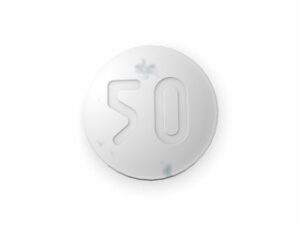
| Available Forms & Strengths | Tablets: 50 mg; Powder for injection: 200 mg, 500 mg, 1 g, 2 g |
| Common Manufacturers | Baxter Healthcare, Baxter Oncology, Accord Healthcare, Sandoz, Pfizer |
| Prescription Status in Australia | Prescription only (Schedule 4 - S4); Not available over the counter. |
Mechanism of Action
- In simple terms: Cyclophosphamide is a type of chemotherapy. It works by interfering with the DNA in cells, especially cancer cells, stopping them from growing and multiplying.
- For specialists: Cyclophosphamide is an alkylating agent of the nitrogen mustard group. It is a prodrug that requires activation by hepatic cytochrome P450 enzymes to form active metabolites (phosphoramide mustard and acrolein), which cross-link DNA strands and inhibit cell division.
Pharmacokinetics
- Absorption: Well absorbed orally; peak plasma levels are reached in 1–3 hours after oral administration.
- Metabolism: Metabolised primarily in the liver by cytochrome P450 (CYP2B6 and CYP3A4 isoforms) to its active form.
- Elimination: Mainly excreted via urine as metabolites (60–70% within 48 hours).
- Duration of Action: Biological activity remains for up to several days; however, the plasma half-life is approximately 3–12 hours, dependent on individual hepatic function.
Use in Everyday Life and Best Practices
- How to take: Cyclophosphamide may be given as tablets or as an infusion/injection in a hospital or clinic. Oral doses should be taken with a large glass of water. Always follow your doctor’s instructions.
- Usual Dosing: Varies greatly depending on the indication and individual factors such as body weight, age, kidney/liver function, and other medications.
- Australian Context: Most patients are treated at major oncology centres or rheumatology clinics, and regular monitoring is a standard part of therapy in Australia’s healthcare system.
- Support available: Access to nurse/GP support, Cancer Council information lines, and local pharmacists trained in safe handling and patient support.
Dosing: Morning vs Evening
- Morning dosing: Often preferred. Taking cyclophosphamide in the morning reduces the risk of bladder irritation (cystitis) because patients typically drink more fluids and pass urine more frequently during the day, helping to flush the medication and its metabolites from the bladder.
- Evening dosing: Less commonly recommended due to increased bladder exposure to metabolites overnight.
- Tip: Maintain a consistent dosing schedule—always at the same time of day for best results.
- Hydration: Drink plenty of fluid (2–3 litres/day if allowed by your doctor), especially during oral therapy.
Taking with Food or on an Empty Stomach
- Cyclophosphamide can be taken with or without food. A light meal or snack helps minimise nausea, a common side effect. There is no significant interference of absorption by food in most cases.
- Australian diet tip: Incorporate bland foods like toast, plain crackers, and avoid very spicy or greasy meals to help reduce stomach upset during treatment.
Interaction Warnings
| Type | Examples | Advice |
|---|---|---|
| Food | Grapefruit, St. John’s Wort (supplements) | Avoid grapefruit and herbal supplements—may interact with liver enzymes. |
| Alcohol | All types of alcohol | Avoid or limit—can worsen nausea, liver strain, and interact with immunosuppressive action. |
| Medications | Live vaccines (e.g., measles, chickenpox), allopurinol, phenobarbital, phenytoin, warfarin, ACE inhibitors, other cytotoxics | Consult your doctor or pharmacist before starting new medicines or vaccines. |
| Natural products | Herbal teas, high-dose vitamin C, ginseng | Avoid, unless approved by treating team. Some products may increase side effects or reduce effectiveness. |
Indications
| Condition/Illness | Official Use | Off-label Use |
|---|---|---|
| Non-Hodgkin lymphoma, leukaemia, multiple myeloma, breast cancer, ovarian cancer, small cell lung cancer | ✓ | |
| Nephrotic syndrome (children/adults), lupus nephritis, systemic lupus erythematosus, vasculitis (e.g., ANCA vasculitis, Wegener’s granulomatosis) | ✓ |
Dosing According to Indication
| Population | Indication | Usual Dose & Frequency | Comments |
|---|---|---|---|
| Adult (Oncology) | Cancer (IV) | 500–1,500 mg/m2 IV every 3–4 weeks (protocol dependent) | Given in cycles; with or without other drugs |
| Adult (Rheumatology) | Anca vasculitis, lupus | 500–1,000 mg IV every 2–4 weeks, OR 1–2 mg/kg PO daily | Lower doses for gradual immune suppression |
| Paediatric (Oncology) | Cancer (IV) | 750–1,200 mg/m2 IV per cycle | Paediatric specialist supervision only |
| Elderly | Any | Usually starting at lower dose; closely monitored | Adjust for renal/hepatic function, frailty |
Safety Profile and Side Effects
- Common side effects:
- Nausea, vomiting, poor appetite
- Hair loss (usually temporary)
- Low white blood cells (increased infection risk)
- Mouth ulcers, sore throat
- Fatigue, weakness
- Changes in menstrual cycles; infertility (may be temporary or permanent)
- Rare but serious effects:
- Bladder inflammation (haemorrhagic cystitis)
- Secondary cancers (e.g., bladder cancer, leukaemia, usually after long-term use)
- Severe allergic reactions
- Heart muscle effects (at high doses)
- Lung toxicity
- Warnings:
- Potential for birth defects (avoid in pregnancy; effective contraception advised for both men and women during use and for several months after).
- Temporary or permanent infertility.
- Live vaccines should be avoided during therapy.
Guidelines for Proper Use (Advice for Australia)
- Always take cyclophosphamide EXACTLY as prescribed by your oncologist or specialist.
- Stay well hydrated (in line with your doctor’s advice).
- Report any symptoms of infection (fever, chills, sore throat, cough) immediately.
- Use effective contraception during treatment and for several months after.
- Attend all scheduled monitoring visits (blood tests, urine checks, kidney/liver function tests).
- Contact your healthcare team before receiving any vaccinations.
- If you miss a dose, seek advice from your medical team—do NOT take a double dose.
- Safe handling: If taking tablets at home, wear gloves or wash hands immediately after handling tablets.
- Disposal: Return any unused medication to your pharmacy for safe disposal. Do not throw into domestic rubbish or flush down the toilet.
Alternative Treatment Options
- Oncology:
- Doxorubicin, Ifosfamide: Other alkylating agents, used in specific protocols. Increased risk of certain side effects.
- Carboplatin, Cisplatin: Used for specific cancers; different side effect profiles (e.g., kidney toxicity, hearing loss).
- Targeted therapies (e.g., rituximab, imatinib): Used in selected blood cancers. Generally lower risk of hair loss, some require long-term use.
- Autoimmune/rheumatic diseases:
- Azathioprine, Methotrexate: Less potent immune suppression but fewer long-term cancer risks.
- Rituximab: Shown in research and guidelines to be as effective as cyclophosphamide for certain vasculitides, with lower infertility risks.
- Mycophenolate mofetil (MMF): Used for lupus nephritis; similar effectiveness but different side effect profile.
- Consult your healthcare provider for individually tailored options. Most alternatives are covered by the Pharmaceutical Benefits Scheme (PBS) for listed indications.
Legal, Registration, and Reimbursement Status in Australia
- Regulation: Registered with the Therapeutic Goods Administration (TGA).
- Reimbursement: Cyclophosphamide is reimbursed by the Australian Government's Pharmaceutical Benefits Scheme (PBS) for a wide range of cancers and selected autoimmune conditions.
- Prescription Requirements: Must be prescribed by a registered Australian Medical Practitioner (e.g., oncologist, rheumatologist).
- Special access: May be available via special access schemes for rare diseases or hospital-only conditions.
Latest Research and Clinical Guidance (2022–2025)
- The Australian Cancer Council and Kidney Health Australia have updated their cyclophosphamide guidelines in 2023 to favour lower cumulative doses and wider access to alternative agents (e.g., rituximab in ANCA vasculitis) to reduce long-term side effect risks.
- Recent studies (Smith et al., Lancet Rheumatology, 2023; Watson et al., NEJM, 2024) highlight that shorter-course, pulse intravenous regimens are as effective as longer oral regimens, with less risk of toxicity and infertility.
- Increasing use of fertility preservation (egg/sperm banking) prior to starting cyclophosphamide, especially in young adults, is now standard in many Australian centres.
- Ongoing clinical trials in 2023–2025 are investigating genetic predictors of side effects to further personalise cyclophosphamide dosing.
Availability and Delivery
| Pack Size | Form | Typical PBS Price (Australian Dollars) | Delivery Time (Sydney, Melbourne, Brisbane, Perth, Adelaide) |
|---|---|---|---|
| 30 tablets | 50 mg | $40.00–$60.00 (PBS price typically $41.19 for most cancer indications) | Same day–1 day |
| 1 vial | 500 mg powder for injection | $20.00–$35.00 | Same day–2 days |
| 1 vial | 1g powder for injection | $36.00–$65.00 | Same day–3 days |
- Cyclophosphamide must be supplied by a licensed pharmacy (hospital or community). Home delivery services are available in most states and capital cities.
- Pharmacies may arrange express delivery for urgent prescriptions, especially for immunosuppressed patients.
Frequently Asked Questions (FAQ)
- Can I work or go to school while taking cyclophosphamide?
Most people can continue daily activities, but fatigue and infection risk may limit attendance during some cycles. Discuss your risks with your doctor and notify your employer/teacher if you need time off for treatment or side effects. - What should I do if I miss a dose?
Do not double up your next dose. Take the missed dose as soon as you remember unless it is almost time for your next scheduled dose. If unsure, contact your pharmacist or doctor. - Can I get vaccinated while on cyclophosphamide?
Live vaccines should be avoided. Inactive (killed) vaccines are generally safe but may not work as well. Always consult your healthcare provider before any vaccine. - Will my hair grow back after treatment?
Hair loss with cyclophosphamide is usually temporary. Most patients' hair regrows a few months after completing therapy, sometimes with a different texture or colour. - Does cyclophosphamide cause infertility?
It can, especially at high doses or prolonged use. Discuss fertility preservation (egg/sperm banking) options with your specialist before starting therapy if this is a concern.