
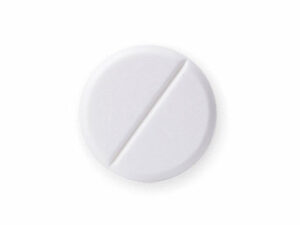

Alkacel (Melphalan) – Comprehensive Medicine Information for Patients in Australia
Basic Product Information
| International Non-Proprietary Name (INN) | Melphalan |
|---|---|
| Australian Brand Names | Alkacel®, Alkeran® |
| ATC Code | L01AA03 |
| Available Forms & Strengths | Tablets: 2 mg, 5 mg; Powder for injection: 50 mg/vial (for intravenous administration) |
| Manufacturers | Bannockburn Pharma Pty Ltd, Aspen Pharmacare Australia |
| Prescription Status | Prescription Only Medicine (Schedule 4) |
Mechanism of Action
For Patients: Alkacel contains melphalan, which belongs to a group of medicines called alkylating agents. It works by interfering with cancer cell DNA, stopping the cells from multiplying and eventually leading to their destruction. Melphalan mainly targets rapidly dividing cells, such as abnormal blood or bone marrow cells seen in certain cancers.
For Specialists: Melphalan is a bifunctional alkylating agent of the nitrogen mustard type. It causes cross-linking of DNA strands at the N7 position of guanine, resulting in inhibition of DNA and RNA synthesis, and cell death during the S phase of the cell cycle.
Pharmacokinetics (How Alkacel is Processed in Your Body)
- Absorption: Oral melphalan exhibits variable absorption (25–89%), and food may reduce peak plasma concentration.
- Distribution: Widely distributed in body tissues; crosses placenta, minimal cerebrospinal fluid penetration. Moderate protein binding (~60%).
- Metabolism: Primarily hydrolysed in plasma; undergoes spontaneous degradation; not heavily metabolised by the liver.
- Elimination: Eliminated mainly by non-enzymatic hydrolysis and renal excretion. Terminal half-life is approximately 1.5 hours (oral) to 30–90 minutes (IV).
- Duration of Action: The cytotoxic effects persist for several days due to DNA binding; neutropenia may last 7–14 days after a dose.
Use in Everyday Life & Best Practices
Alkacel is most commonly used under the guidance of a specialist for particular types of cancer. Always take this medicine as instructed by your doctor or oncology pharmacist. Do not alter your dose unless told to do so.
- Typical Doses: Vary depending on condition – see tables below.
- Administration: Oral tablet form is most often taken at home. Injectable forms are administered in hospital settings by trained professionals.
- Swallow whole: Do not crush or chew the tablets. Wash your hands thoroughly after handling.
- Missed Dose: If you forget a dose, take it as soon as you remember unless it is nearly time for your next dose. Do not double the dose to catch up.
- Storage: Store at room temperature (below 25°C), away from children and direct sunlight.
- Safe Handling: Patients and caregivers should follow special precautions for handling, as melphalan can be harmful if handled improperly.
Dosing in the Morning vs Evening
- Morning dosing: Often recommended to establish a routine and reduce the risk of forgetting. Allows for better monitoring of possible side effects during the day.
- Evening dosing: May suit personal schedules but could increase the risk of missing a dose if patients are tired or unwell.
- Key Tip: Take Alkacel at the same time each day, preferably in the morning with a glass of water for better adherence.
Taking with Food or on an Empty Stomach
- Effect of meals: Food, especially fatty meals, may decrease absorption. For best results, take on an empty stomach, at least one hour before or two hours after eating.
- Australian dietary context: Typical Australian breakfast foods (e.g., toast, cereal, fruit) should not interfere if the dose is taken before eating. Avoid taking Alkacel with tea or coffee, as some studies suggest beverages may alter drug absorption.
- If nausea occurs: Speak with your doctor, who may suggest taking future doses with a small, light snack or provide anti-nausea medication.
Interaction Warnings
| Item | Interaction Effect | Advice |
|---|---|---|
| Food (esp. fatty meals) | Decreased melphalan absorption | Take on empty stomach for best effect |
| Alcohol | Potential for liver strain, worsened side effects | Avoid or limit alcohol while on treatment |
| Vaccines (live) | Increased risk of infection | Do not receive live vaccines while undergoing melphalan therapy |
| Cyclosporin/Tacrolimus | Increased risk of toxicity | Inform your doctor before combining therapies |
| Phenytoin | Reduced anticonvulsant effect | Monitor levels and discuss with prescriber |
| Clozapine | Increased risk of serious blood disorders | Avoid use together where possible |
Indications
| Indication | Approved Use | Off-label Use |
|---|---|---|
| Multiple Myeloma | Yes | No |
| Ovarian Cancer | Yes | Yes (in some subtypes) |
| Advanced Breast Cancer | Yes | Rarely; newer drugs preferred |
| Melanoma | No | Yes (regional perfusion) |
| Paediatric neuroblastoma and sarcoma | No | Occasional specialist use |
Dosing by Indication
| Condition | Usual Adult Dose | Paediatric Dose | Elderly Dose (adjustment) |
|---|---|---|---|
| Multiple Myeloma (oral) | 0.15 mg/kg daily in divided doses for 7 days; repeated every 4–6 weeks | Specialist determination | Consider dose reduction if renal function impaired |
| Multiple Myeloma (IV) | High-dose: 100–200 mg/m2 as a single dose (with stem cell support) | Specialist determination | Adjust per renal function and tolerability |
| Ovarian Cancer (oral) | 0.2 mg/kg daily for 5 days; repeated every 4–6 weeks | Not routinely used | Adjust as appropriate |
| Breast Cancer (oral/IV) | 0.15 mg/kg (oral) or 30–40 mg/m2 (IV), schedule per specialist | Not routinely used | Monitor for adverse effects, adjust as needed |
| Renal impairment | Dose reduction and increased monitoring advised | ||
Safety Profile & Side Effects
| Common Side Effects | Less Common/Rare Side Effects | Warnings |
|---|---|---|
|
|
|
Guidelines for Proper Use (Australian Context)
- Attend all scheduled blood tests and appointments to monitor for side effects and effectiveness.
- Notify your doctor or pharmacist of any new medications, over-the-counter products, or supplements you are taking.
- Pregnant women, or those planning pregnancy, should not use Alkacel; effective contraception is required during treatment and for at least 6 months after the last dose.
- Breastfeeding is not recommended while on this medicine.
- Australian climate: Store tablets in a cool, dry place, below 25°C. Do not refrigerate unless instructed.
- Dispose of leftover tablets safely at your community pharmacy (Return Unwanted Medicines program).
- Contact your doctor immediately if you develop fever, unexplained bruising, persistent cough or breathlessness, or signs of infection.
Alternative Treatment Options
- Bortezomib (Velcade®): Also used for multiple myeloma. Often combined with melphalan for better results. Injectable, higher cost, reimbursed by the PBS.
- Lenalidomide (Revlimid®): Oral immunomodulatory agent, effective in relapsed myeloma, usually well-tolerated. Reimbursed for specific indications.
- Thalidomide or Pomalidomide: Used when other treatments fail. Careful monitoring required, especially for nerve damage and birth defects.
- Daratumumab, Carfilzomib, Ixazomib: Newer drugs with different side effect profiles, available through the PBS for eligible patients.
- Stem cell transplantation: For fit patients and those with relapsed disease.
Comparative overview: Melphalan remains a foundation option for certain Australian patients, especially where cost or convenience are major factors. Newer agents may be more effective but are more expensive and can carry different risks.
Legal, Registration, and Reimbursement Status in Australia
- Regulation: Registered by the Therapeutic Goods Administration (TGA, reference: ARTG listings for melphalan tablets and injection).
- Prescription Only: Schedule 4, available only via prescription following specialist review.
- Reimbursement: Listed under the Pharmaceutical Benefits Scheme (PBS) for approved cancer indications. Special access can be requested where needed.
- Patient programs: Some pharmaceutical companies provide patient access programs or co-payment assistance.
Latest Research and Clinical Guidance (2022–2025)
- High-dose melphalan with stem cell transplantation remains the standard first-line therapy for eligible multiple myeloma patients (Blood 2023; 141(17): 2034-2044).
- Combination with novel agents (e.g., daratumumab, lenalidomide) is improving outcomes but individualisation of treatment is important (Lancet Oncol. 2023;24(9):843-857).
- Regional or isolated limb perfusion with melphalan is supported for advanced melanoma in specialist settings (Eur J Cancer 2024; 189: 10-22).
- Ongoing monitoring for long-term side effects and patient quality of life is increasingly emphasised in updated Australian clinical guidelines (Cancer Council Australia, 2024).
Availability and Delivery Information
- Popular pack sizes: Tablets: Bottle of 25 or 50; Injection: single-use vials (hospital supply)
- Indicative price (PBS co-payment, 2024): $30–$40 per pack for general patients, less for concession holders.
- Private price: May be significantly higher outside PBS subsidy; check with your pharmacy.
| City | Standard Delivery (Days) | Express Delivery (Days) |
|---|---|---|
| Sydney | 1–2 | Same/Next Day |
| Melbourne | 1–2 | Same/Next Day |
| Brisbane | 1–3 | 1 |
| Adelaide | 2–3 | 1 |
| Perth | 3–5 | 2 |
| Hobart | 2–4 | 1–2 |
Delivery times may vary due to local stock, public holidays, or pharmacy arrangements. Hospital patients will be supplied medication during their admission or clinic visits.
Frequently Asked Questions (FAQs)
- Can I take Alkacel with my regular breakfast?
For best absorption, take Alkacel on an empty stomach—ideally one hour before breakfast, or two hours after eating. If you find it causes nausea, ask your doctor for advice. - Is it safe to get vaccinated while on Alkacel?
Live vaccines should be avoided during treatment and for some time after. Non-live (inactivated) vaccines are usually safe but consult with your specialist for personalised guidance. - How will my blood counts be monitored?
You will have regular blood tests (usually every 1–2 weeks) to check for low white cells, red cells, and platelets. Your doctor may adjust your dose based on these results. - Can I drink alcohol while taking Alkacel?
While small amounts may be tolerated, it is safest to limit or avoid alcohol due to increased liver strain and the potential to worsen side effects. - What should I do if I miss a dose?
Take the missed dose as soon as possible unless it is almost time for your next scheduled dose. Never take a double dose. If unsure, contact your pharmacy or specialist.