Keflex (Cephalexin): Comprehensive Patient Information for Australia
Basic Product Information
- International Nonproprietary Name (INN): Cephalexin
- Brand Names in Australia: Keflex®, Cephalexin Sandoz®, Apo-Cephalexin®, GenRx Cephalexin®
- ATC Code: J01DB01
- Available Forms & Strengths:
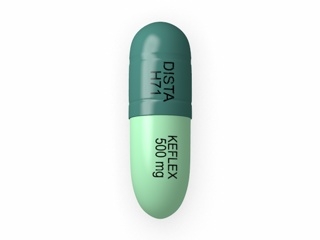
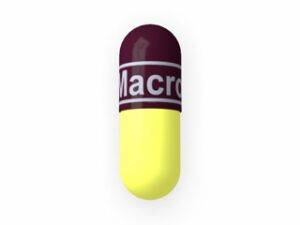
- Capsules: 250 mg, 500 mg
- Oral Suspension: 125 mg/5mL, 250 mg/5mL
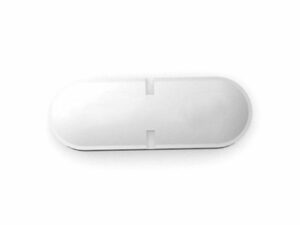
- Tablets: occasionally available in some brands
- Manufacturers: Various, including Alphapharm, Sandoz, Apotex
- Prescription Status: S4 (Prescription Only Medicine) in Australia
Mechanism of Action
For patients: Cephalexin works by killing bacteria that cause infections. It does this by stopping the bacteria from building their protective cell walls, which leads to their death.
For healthcare providers: Cephalexin is a first-generation cephalosporin antibiotic. It inhibits bacterial cell wall synthesis by binding to penicillin-binding proteins (PBPs), thereby blocking peptidoglycan cross-linking in the cell wall. It is bactericidal and is effective mainly against Gram-positive organisms and some Gram-negative bacteria.
Pharmacokinetics
- Absorption: Cephalexin is rapidly and almost completely absorbed from the gastrointestinal tract. Peak plasma levels are reached 1 hour after administration.
- Metabolism: Cephalexin undergoes minimal metabolism in the liver.
- Elimination: Most of the drug is excreted unchanged in the urine (within 6-8 hours).
- Duration of Action: Generally, the effects last 6–12 hours, requiring dosing 2-4 times per day depending on the infection.
Use in Everyday Life and Best Practices in Australia
Cephalexin is widely prescribed for uncomplicated bacterial infections, particularly of the skin, soft tissues, respiratory tract, urinary tract, bones and joints, and dental infections. It is not suitable for viral infections (such as cold or flu).
- Typical Doses for Adults: 250 mg to 500 mg every 6 to 12 hours, according to infection severity. Total daily dose generally ranges from 1,000 mg to 4,000 mg.
- How to Use: Swallow capsules or tablets whole with water. If you are using the oral suspension, shake the bottle well before measuring your dose with an accurate spoon or syringe.
- Practical Notes: Always complete the full course, even if you feel better. Do not share your medicine. If you miss a dose, take it as soon as possible; if it's close to your next dose, skip and continue as normal—do not double up.
- Australian setting advice: Cephalexin is well-suited to managing infections seen in GPs and pharmacies across Australia, from urban to remote communities. Be aware of the high prevalence of Staphylococcus aureus and Group A streptococci in community skin infections.
Dosing in the Morning vs. Evening
- Morning Dosing: Helps maintain routine and reduces likelihood of missed doses, useful for once- or twice-daily regimens.
- Evening Dosing: Suitable if night-time doses are required (in 3-4 times daily schedules). May help with school or work timetables.
- Tip: Try to space your doses at even intervals over the day. For best effect, take it at the same time(s) every day. Set an alarm or reminder if needed.
Taking with Food or on an Empty Stomach
Cephalexin can be taken with or without food. Some people find it gentler on the stomach when taken with a meal—this can be especially helpful with a typical English low-fat meal, such as toast, cereal, or a sandwich.
- With Food: May help reduce stomach upset or nausea.
- Without Food: Slightly quicker absorption, but for most people, this makes little practical difference in outcome.
- Advice: For children, mixing the oral suspension with a small amount of milk or juice is acceptable if necessary to encourage compliance.
Interaction Warnings
| Substance/Group | Interaction/Advice |
|---|---|
| Probenecid | Increases cephalexin blood levels by reducing excretion. Dose adjustment may be necessary. |
| Metformin | Cephalexin may raise blood levels of metformin; monitor for increased effects or side effects of metformin. |
| Warfarin and anticoagulants | Antibiotics can rarely affect INR; monitor closer if on blood thinners. |
| Live vaccines (oral typhoid, BCG, etc.) | Effectiveness of vaccines may be reduced during and just after antibiotics. |
| Alcohol | No direct interaction, but excessive alcohol may increase stomach upset or hinder recovery. |
| Other antibiotics | Avoid unnecessary duplication; consult your doctor before mixing. |
Indications
| Approved (TGA) | Off-label/Other recognised uses |
|---|---|
|
|
Dosing According to Clinical Indications
| Condition | Adults (≥18 years) | Children (1 year and older) | Elderly |
|---|---|---|---|
| Respiratory Tract/Skin/Soft Tissue Infection | 250–500 mg every 6 hours | 25–50 mg/kg/day in divided doses every 6-12 hours | Same as adults; monitor kidney function, may require dose reduction |
| Uncomplicated UTI | 500 mg every 12 hours for 5–7 days | As above, typically 7–14 days | Reduce dose in renal impairment |
| Dental Abscess | 500 mg every 6 hours | Consult paediatric dentist or doctor | Caution; monitor for side effects |
Note: The above are common regimens; always follow your doctor's specific instructions.
Safety Profile and Side Effects
Cephalexin is generally well tolerated, but like all medicines, it may cause side effects. Most are mild and temporary.
- Common side effects (affect up to 1 in 10):
- Diarrhoea
- Stomach upset/pain
- Nausea or vomiting
- Headache
- Rash
- Candida (thrush) – mouth or genital area
- Rare but serious side effects:
- Severe allergic reaction (anaphylaxis): swelling, difficulty breathing—call 000 immediately.
- Severe skin reactions (Stevens-Johnson syndrome): intense rash, blisters—seek urgent help.
- Jaundice (yellowing skin/eyes), signs of liver or kidney problems.
- Unusual bruising/bleeding
- Warnings:
- Avoid if you have a confirmed severe allergy to cephalosporins or immediate hypersensitivity to penicillins.
- Inform your healthcare team of all your allergies and other medicines.
- Report any severe or persistent diarrhoea (risk of C. difficile infection).
Guidelines for Proper Use (Australian Resources)
- Store capsules/tablets at room temperature, away from moisture and heat.
- Refrigerate oral suspension (liquid) and discard any unused liquid after 14 days.
- Keep out of reach of children.
- Do not share antibiotics—your prescription is meant for you only.
- Return any leftover or expired antibiotics to a pharmacy for safe disposal (Return Unwanted Medicines program in Australia).
- Drink plenty of water while taking cephalexin to aid kidney clearance.
- If allergic reaction occurs, seek emergency help immediately.
- Speak to your GP or pharmacist if you have concerns during your course.
Alternative Treatment Options
- Amoxicillin (brands: Amoxil®, generics): Suitable first-line for many infections; not suitable if penicillin-allergic.
- Flucloxacillin: Preferred for skin and soft tissue infections due to efficacy against Staphylococcus aureus; more stomach upset.
- Trimethoprim: Used for uncomplicated urinary tract infections; not appropriate for most skin/respiratory infections.
- Clindamycin: Alternative for penicillin and cephalosporin allergy in some indications; risk of severe diarrhoea.
- Macrolides (e.g., azithromycin, erythromycin): For selected respiratory and skin infections, especially in penicillin allergy; more drug interactions.
Choice depends on: Type of infection, local antibiotic resistance, allergy profile, and GP judgement/therapeutic guidelines.
Legal, Registration, and Reimbursement Status in Australia
- Scheduling and Legal Status: Schedule 4 (Prescription Only Medicine).
- Registration: Registered with the TGA (Therapeutic Goods Administration).
- Reimbursement: Available on the PBS (Pharmaceutical Benefits Scheme) for approved indications—concessional and general patients.
- Prescribing: Must be prescribed by a registered medical practitioner, dentist, or nurse practitioner where appropriate.
Latest Research and Clinical Guidance (2022–2025)
- Recent Australian clinical guidelines (Therapeutic Guidelines: Antibiotic, 2024 update) continue to recommend cephalexin for uncomplicated skin and soft tissue infections, selected UTIs, and respiratory tract infections, especially where penicillin resistance or intolerance is an issue (Therapeutic Guidelines Limited, 2024).
- Research from the UK and Australia confirms cephalexin's efficacy in treating Streptococcal and Staphylococcal skin infections, with low rates of resistance (McDonald et al., MJA 2023; NICE guidelines, 2023).
- Safety: A large post-market review in 2024 found the risk of severe allergic reactions to be low in non-penicillin-allergic patients (Australian Adverse Drug Reactions Bulletin, 2024).
- Rational antibiotic use: The latest guidance emphasises completion of the prescribed course, discouraging use for viral illness, and recommends dose adjustment in renal impairment (NPS MedicineWise, 2023-2024).
Availability and Delivery in Australia
| Pack Size | Formulation | Indicative PBS Price* | Popular Australia City Delivery Times |
|---|---|---|---|
| 20, 100 | Capsules (250 mg, 500 mg) | $8.20–$10.50 (concession), $15.60–$25.40 (general) |
|
| 100 mL, 200 mL | Oral Suspension (125 mg/5mL, 250 mg/5mL) | $8.20–$10.50 (concession), $15.90–$24.70 (general) | As above |
* Prices as of 2024. Actual cost varies by pharmacy and PBS status. Check with your local pharmacy for up-to-date prices.
Frequently Asked Questions (FAQ)
- Can I drink alcohol while taking cephalexin?
In moderation, alcohol does not interact with cephalexin. However, avoid heavy drinking as it may increase risk of stomach upset or reduce your recovery. - What should I do if I miss a dose?
Take the missed dose as soon as you remember, unless it's nearly time for your next dose. If so, skip the missed dose and resume your schedule. Do not double the dose to make up. - Is cephalexin safe in pregnancy or breastfeeding?
Cephalexin is generally considered safe for use in pregnancy and breastfeeding in Australia. Always inform your doctor before starting any new medicine if you are pregnant or breastfeeding. - Can I take cephalexin if I have a penicillin allergy?
Most people with a mild penicillin allergy can safely take cephalexin, though cross-reactivity is rare. Inform your doctor of any allergy history and watch for symptoms. - Do I need to take probiotics with cephalexin?
Probiotics are not required, but some people take them to help reduce the risk of antibiotics-related diarrhoea. Take probiotics at least 2-3 hours after your antibiotic dose, and consult your GP or pharmacist for advice.