Macrobid (Nitrofurantoin Monohydrate) – Comprehensive Patient Information
Basic Product Information
| International Nonproprietary Name (INN) | Nitrofurantoin monohydrate |
|---|---|
| Australia Brand Names | Macrobid®, Furadantin®, Nifuran® |
| ATC Code | J01XE01 |
| Available Forms and Strengths |
|
| Manufacturers | Teva Pharma, Sandoz, Aurobindo, Arrow Pharma |
| Prescription Status | Prescription Only Medicine (Schedule 4, S4) |
Mechanism of Action
In simple terms: Nitrofurantoin works by killing the bacteria that cause urinary tract infections (UTIs). It does this by entering the bacterial cells and damaging their DNA, which stops the bacteria from growing and multiplying.
For specialists: Nitrofurantoin acts primarily by reduction within bacterial cells to active intermediates, which then disrupt ribosomal proteins and other macromolecules, impairing processes such as DNA, RNA, cell wall, and protein synthesis. The drug is bactericidal at therapeutic concentrations, especially in urine.
Pharmacokinetics
- Absorption: Rapidly and almost completely absorbed from the gastrointestinal tract; bioavailability improves with food.
- Metabolism: Partially metabolised in the liver and other tissues.
- Elimination: Primarily excreted via urine; achieves high urinary concentrations, but low systemic levels.
- Duration of Action: Requires dosing twice daily due to a half-life of 30–60 minutes.
Use in Everyday Life and Best Practices (Australia Context)
Macrobid is most commonly used to treat uncomplicated lower urinary tract infections (UTIs) such as cystitis in adults and children over 12 years. It is usually prescribed as a five to seven-day course, but your doctor will decide the exact duration. Always take Macrobid exactly as prescribed by your doctor or pharmacist. It is not effective for kidney infections (pyelonephritis) or in cases of reduced kidney function.
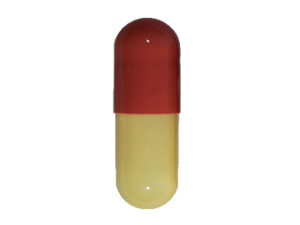
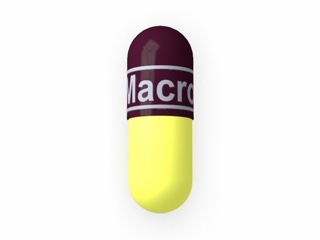
Typical Adult Dose: One 100 mg capsule twice daily for 5 to 7 days.
Dosing in the Morning vs Evening
- Consistency: Take Macrobid at the same time each day, roughly 12 hours apart (e.g., morning and evening).
- Advantages of evening dose: May help maintain higher urinary concentrations overnight when urine flow is lower.
- Disadvantages: If taken late at night, may lead to missing the dose. Try to link it with morning/evening meals for routine.
- Tip: Set reminders to help you maintain regular timing.
Taking with Food or on an Empty Stomach
With Food: Taking Macrobid with food (such as a meal typical in an Australian diet: cereal, toast, or a main meal) helps increase absorption and reduces the risk of stomach upset. This is the preferred method.
Without Food: May be less effective and more likely to cause nausea or vomiting.
Best Practice: Always take with a substantial snack or meal for optimal efficacy and comfort.
Interaction Warnings
| Interaction | Effect | Recommendation |
|---|---|---|
| Antacids (containing magnesium trisilicate) | Reduces Macrobid absorption | Avoid or separate by at least 2 hours |
| Probenecid, Sulfinpyrazone | Inhibits drug excretion, increasing toxicity risk | Avoid if possible |
| Other antibiotics (e.g., quinolones) | May interact unpredictably | Inform your doctor of all medications |
| Alcohol | No direct effect, but may worsen side effects | Limit alcohol consumption |
| Food | Increases absorption, reduces stomach upset | Take with food |
Indications
| Indication | Status |
|---|---|
| Acute uncomplicated urinary tract infection (UTI; cystitis) | Official, first-line |
| Prophylaxis of recurrent UTI | Official |
| UTI in children over 12 years | Official |
| Catheter-associated UTI | Off-label, rarely used |
Dosing According to Clinical Indications
| Patient Group | Dose | Duration |
|---|---|---|
| Adults (acute cystitis) | 100 mg twice daily | 5–7 days |
| Adults (prophylaxis) | 50–100 mg once daily (evening) | As prescribed |
| Children (>12 years) | 100 mg twice daily | 5–7 days |
| Elderly (with normal renal function) | As for adults | As above |
| Renal impairment (eGFR < 45 mL/min/1.73m²) | Generally contraindicated | – |
Safety Profile & Side Effects
| Frequency | Side Effect | Notes |
|---|---|---|
| Common | Nausea, headache, drowsiness, flatulence | Try taking with food; usually temporary |
| Uncommon | Skin rash, diarrhoea, mild allergic reactions | See your GP if persistent |
| Rare | Pulmonary reactions (shortness of breath, cough), hepatitis, peripheral neuropathy, liver enzyme elevation | Stop treatment and seek medical attention immediately |
| Very rare | Blood disorders (anaemia), severe allergic reactions (anaphylaxis) | Emergency! |
Guidelines for Proper Use
- Take each dose with food or a meal to improve absorption and reduce stomach upset.
- Finish the full course, even if symptoms improve early; stopping too soon may risk reinfection.
- Drink plenty of water, unless advised otherwise.
- If you miss a dose, take it as soon as you remember. If it is nearly time for your next dose, skip the missed dose—do not double up.
- If you experience unexplained cough, shortness of breath, jaundice (yellowing skin/eyes), rash, or numbness in legs/hands—stop Macrobid and seek help urgently.
- Always inform your doctor or pharmacist of any other medications or supplements you are taking.
Alternative Treatment Options
- Trimethoprim: First-line in many cases; single daily dose, but increasing resistance rates. Generally similar cost and effectiveness.
- Cephalexin: Suitable for some patients, but may cause more GI upset.
- Amoxicillin/clavulanate: Broader-spectrum, but risk of resistance and side effects.
- Pivmecillinam: Not widely used in Australia at present.
- Nitrofurantoin (Macrobid) remains a key option for lower UTI, especially where resistance to other antibiotics is a concern.
Pros of Nitrofurantoin: Low rates of resistance, concentrates well in urine, low systemic side effects.
Cons: Not suitable for upper UTI, contraindicated in certain kidney conditions, risk of rare lung/liver toxicity.
Legal, Registration, and Reimbursement Status in Australia
- Registered with the Therapeutic Goods Administration (TGA).
- Available only by prescription (Schedule 4, S4).
- Subsidised under the Pharmaceutical Benefits Scheme (PBS) when prescribed for approved indications.
- Must be dispensed by a licensed pharmacist.
- Not to be used in those with severe renal impairment (as per TGA guidelines).
Latest Research and Clinical Guidance (2022–2025)
- Australian guidelines (Therapeutic Guidelines: Antibiotic, latest edition) continue to recommend Nitrofurantoin/Macrobid as a first-line therapy for uncomplicated lower UTI in non-pregnant women (see: Therapeutic Guidelines Ltd., 2023).
- Recent studies (e.g., Huttner et al., NEJM 2023) confirm effectiveness even as some resistances rise in other antibiotics.
- Continued emphasis on limiting them to lower UTI and confirming normal renal function before use.
Availability and Delivery
| Pack Size | Approximate Price (PBS co-pay 2024)* | Delivery Time (Sydney) | Delivery Time (Melbourne) | Delivery Time (Brisbane) | Delivery Time (Adelaide/Perth) |
|---|---|---|---|---|---|
| 14 capsules (7-day course) | $7.30 (concession), $30–35 (general) | Same day–1 day | 1–2 days | 1–2 days | 2–4 days |
*Prices are indicative and may vary by pharmacy/location. Always check with your local pharmacy for up-to-date pricing and availability.
Frequently Asked Questions (FAQ)
- Can I take Macrobid if I am pregnant or breastfeeding?
Nitrofurantoin is not usually recommended during pregnancy (especially after 36 weeks) or breastfeeding without specific doctor advice. Always inform your doctor if you are pregnant or planning to be. - What should I do if I miss a dose?
Take the missed dose as soon as possible. If it is nearly time for your next dose, skip it and take the next dose at the usual time. Do not double up to make up for a missed dose. - Can I drink alcohol while taking Macrobid?
While alcohol doesn’t directly interact with Macrobid, it may worsen side effects such as nausea. Drinking alcohol in moderation is generally safe but not recommended if you feel unwell. - Why does my urine sometimes turn yellow or brown while on Macrobid?
This is a harmless effect caused by the medication. If you notice severe colour changes or other symptoms (such as pain, fever, rash), contact your doctor. - Is it safe to drive or operate machinery while on Macrobid?
Most people do not experience drowsiness with Macrobid, but if you feel tired or dizzy, avoid driving or handling heavy machinery until you feel better.
For any further questions, always seek advice from your GP or pharmacist. All medicine should be used strictly under medical supervision.