Cipro (Ciprofloxacin): Comprehensive Patient Information for Australia
Basic Product Information
| Generic Name (INN) | Ciprofloxacin |
|---|---|
| Common Australia Brand Names | Ciproxin®, Ciprofloxacin Sandoz®, Ciprofloxacin Teva®, Ciprofloxacin Mylan® |
| ATC Code | J01MA02 |
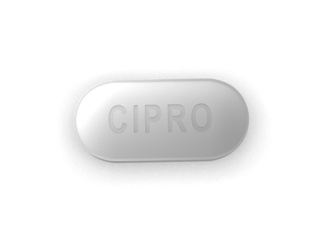
| Available Forms & Strengths | Tablets (250 mg, 500 mg, 750 mg), Oral solution, Infusion (IV), Eye and ear drops |
| Manufacturers | Bayer Australia Ltd, Sandoz Pty Ltd, Teva Pharma Australia, Mylan Health Pty Ltd |
| Prescription Status | Prescription only (Schedule 4, S4) |
Mechanism of Action
Ciprofloxacin is a fluoroquinolone antibiotic. It works by stopping the growth and multiplication of bacteria. Specifically, it inhibits two bacterial enzymes (DNA gyrase and topoisomerase IV), which are essential for bacteria to replicate their DNA and reproduce. This makes the bacteria unable to survive or spread, resulting in the resolution of the infection.
For Specialists: Ciprofloxacin binds strongly to the subunits of DNA gyrase (gyrA and gyrB) and topoisomerase IV, preventing supercoiling and subsequent DNA replication in susceptible gram-negative and some gram-positive organisms.
Pharmacokinetics (What the Body Does to Cipro)
- Absorption: Well absorbed orally (60-80% bioavailability), peak blood concentration reached within 1-2 hours after dose.
- Distribution: Widely distributed in body tissues and fluids, including lungs, kidneys, intestines, and prostate.
- Metabolism: Partially metabolised in the liver; mainly remains unchanged in the body.
- Elimination: Primarily excreted in urine (more than 50% as unchanged drug), some via faeces and bile.
- Duration of Action: Typical half-life of 4 hours (may be prolonged in kidney impairment).
Use in Everyday Life & Best Practices
Ciprofloxacin is most often used to treat various bacterial infections, including urinary tract infections (UTIs), chest infections (such as bronchitis and pneumonia), gastrointestinal infections, some sexually transmitted infections, and certain skin or soft tissue infections. Less commonly, it may be prescribed following exposure to anthrax.
- Take either as a tablet, oral liquid, or intravenous infusion as directed.
- Dosage is individualised according to condition, age, kidney function, and infection severity.
- Complete the full course, even if you feel better after a few days.
- Do not use for viral infections (such as colds or flu) or for minor bacterial infections that can recover without antibiotics.
Typical Doses in Australia
- Uncomplicated UTIs: 250-500 mg every 12 hours.
- Severe/systemic infections: 500-750 mg every 12 hours.
- Children: Usually 10-20 mg/kg/dose every 12 hours under specialist advice.
- Duration: Usually 3–14 days, depending on indication (longer for severe/complicated infections).
Dosing in the Morning vs Evening
Ciprofloxacin is generally taken twice per day, about 12 hours apart. There is no significant clinical difference in efficacy when doses are taken in the morning or evening, but maintaining consistency is important:
- Advantages of morning doses: May help reduce risk of insomnia (rare), easier to remember with breakfast or other morning routines.
- Advantages of evening doses: Can be convenient for those with busy schedules but try to avoid doses immediately before bed to prevent possible sleep disturbances.
- Tip: Set reminders or link doses with daily activities (e.g., meals) to support regularity.
Taking With Food or on an Empty Stomach
Ciprofloxacin may be taken with or without food in Australia. However, do not take with dairy products (milk, yogurt, cheese) or calcium-fortified juices alone, as these can reduce absorption. You may eat a normal English diet, but try to take Cipro with a full glass of water. If gastrointestinal upset occurs, taking it with a light meal may help.
Best practices:
- Swallow tablets whole—do not chew, split, or crush (unless scored and advised by your pharmacist).
- Avoid taking antacids, multivitamins, iron, or zinc supplements within 2 hours before or after, as these can lower the effect.
- Drink adequate fluids to help prevent kidney issues.
Interaction Warnings
Ciprofloxacin may interact significantly with other medicines, foods, or alcohol. Always tell your doctor or pharmacist about everything you are taking. Below is a summary of the most important interactions:
| Interaction | Description / Advice |
|---|---|
| Dairy/calcium-rich foods | Reduced absorption; avoid taking Cipro with milk, cheese, yoghurt, or calcium-fortified juices. |
| Antacids (aluminium, magnesium) | Lower absorption; take Cipro at least 2 hours before or after antacids. |
| Iron and zinc supplements | Lower absorption. Separate by 2 hours. |
| Caffeine | Ciprofloxacin can increase caffeine’s effects (palpitations, anxiety). |
| Blood thinners (warfarin) | May increase bleeding risk; require blood monitoring. |
| Anti-arrhythmics | Risk of heart rhythm problems (QT prolongation). |
| Other QT-prolonging drugs | Higher risk of arrhythmia; discuss alternatives with GP or pharmacist. |
| Alcohol | No direct interaction, but can worsen certain side effects (dizziness, stomach upset). |
Indications—Approved and Off-label Uses
| Official Indications (TGA) | Common Off-label/Secondary Uses |
|---|---|
|
|
Dosing According to Clinical Indications
| Indication | Adults | Children (Specialist Use) | Elderly / Renal Impairment |
|---|---|---|---|
| Uncomplicated UTI | 250-500 mg every 12 hours, 3-7 days | Not routine. 10–20 mg/kg every 12 hours for complicated infection | Lower starting dose; reduce frequency with impaired kidney function |
| Severe UTI/Pyelonephritis | 500-750 mg every 12 hours, 7-14 days | As above, duration & dosing by paediatric infectious diseases specialist | Lower dose, monitor kidney/liver function |
| Respiratory (non-CF) | 500-750 mg every 12 hours, 7-14 days | Specialist use only | Adjust dose as appropriate |
| Anthrax exposure | 500 mg every 12 hours, 60 days | 10–15 mg/kg every 12 hours for 60 days | Monitor for side effects |
Safety Profile and Side Effects
Ciprofloxacin is well tolerated by most people. However, side effects can occur, and some can be serious. Notify your doctor or pharmacist if you notice any of the following:
| Frequency | Side Effect | Advice |
|---|---|---|
| Common (1-10%) | Nausea, diarrhoea, stomach pain, headache, abnormal liver tests, rash | Usually mild and self-limiting; stay hydrated and report if severe |
| Occasional (0.1-1%) | Insomnia, confusion, agitation, tendon discomfort, photosensitivity | Use sunscreen; avoid strenuous exercise; report unusual symptoms |
| Rare (<0.1%) | Tendon rupture, severe allergic reactions, seizures, irregular heartbeat | Seek urgent medical help if you develop swelling, severe pain, palpitations, or fainting |
- Black Box Warning (Australia): Risk of tendon rupture, especially in people over 60, transplant recipients, or those on corticosteroids.
- Warning: May worsen symptoms of myasthenia gravis.
- Photosensitivity: Can increase sunburn risk—use sun protection if outdoors in Australia.
If an allergic reaction (rash, swelling, difficulty breathing) occurs, stop the medicine and seek urgent medical attention.
Guidelines for Proper Use in Australia
- Take at the same time(s) each day to maintain effective drug levels.
- Swallow tablets whole with water.
- Avoid skipping doses or stopping early—if missed, take as soon as possible (unless near time for next dose).
- If vomiting occurs within 30 minutes of a dose, repeat; otherwise, continue regimen.
- Report any joint/tendon pain, muscle weakness, or severe diarrhoea to your healthcare provider.
- Keep medicines out of reach of children and store at room temperature (below 25°C).
- Do not drive or operate machinery if you feel dizzy or lightheaded while taking ciprofloxacin.
- Return leftover or expired tablets to your community pharmacy for safe disposal—do not flush down the toilet or throw into household waste.
Alternative Treatment Options and Comparative Overview
- Trimethoprim (e.g., Alprim®) — Common choice for uncomplicated UTIs; well tolerated, but resistance rates are rising.
- Amoxicillin/Clavulanic Acid (e.g., Augmentin®) — Broad-spectrum, good for respiratory and skin/soft tissue infections, but more GI side effects.
- Nitrofurantoin — Used for lower UTIs, especially in women. Generally not suitable for severe kidney impairment.
- Cefalexin, Cephalexin — Useful for skin and soft tissue infections, especially with penicillin allergies.
- Fosfomycin — Newer option for resistant UTIs, limited availability.
Fluoroquinolones such as ciprofloxacin are often reserved for more complicated infections or when other antibiotics are unsuitable due to local resistance patterns and stewardship recommendations.
Legal, Registration & Reimbursement Status in Australia
- Legal Status: Prescription only (Schedule 4, S4) under the Therapeutic Goods Act.
- Regulation: Registered with the Therapeutic Goods Administration (TGA) Australia.
- Subsidy: Available on the Pharmaceutical Benefits Scheme (PBS) for approved indications—PBS item codes may vary by brand/strength.
- Notifiable conditions: Use is monitored to limit overprescription and antibiotic resistance.
- Not suitable for over-the-counter sale or use without prescription in Australia.
Latest Research and Clinical Guidance (2022–2025)
- According to the latest TGA guidance and NPS MedicineWise antibiotic stewardship advice, ciprofloxacin use should be limited to confirmed/suspected resistant bacterial infections or where alternative antibiotics are inappropriate.
- The Australian Guidelines (2023, updated 2024) recommend restricting fluoroquinolones to serious or complicated infections, in order to reduce resistance and avoid rare but serious side effects (e.g., tendon rupture, neuropsychiatric events).
- Recent international studies (JAMA, BMJ 2023–24) support limiting fluoroquinolone use in outpatients, especially in children and older adults, except for specific clinical situations.
- Both local and international guidance encourage reporting side effects to TGA adverse events portal.
Availability and Delivery in Australia
Ciprofloxacin is available throughout Australia by prescription. Community pharmacy and some hospital pharmacies supply the product. Pack sizes and prices may vary:
| Form/Strength | Pack Size | Indicative PBS Price (co-pay) | Private Prescription (approx.) |
|---|---|---|---|
| Tablets 250 mg | 14, 28 | $6.70–$40.00 (PBS subsidised) | $14–$35 (unsubsidised) |
| Tablets 500 mg | 10, 20 | $6.70–$48.00 | $13–$42 |
| Tablets 750 mg | 10, 20 | $6.70–$70.00 | $16–$62 |
| Oral liquid, IV, drops | As prescribed | Varies | Varies |
| City | Estimated Pharmacy Delivery Time |
|---|---|
| Sydney | Same day – 2 days |
| Melbourne | Same day – 3 days |
| Brisbane | Same day – 3 days |
| Perth | 1–4 days |
| Adelaide | 1–3 days |
| Regional & Remote | 2–7 days |
Frequently Asked Questions (FAQs)
- Can I drink alcohol while taking ciprofloxacin?
Alcohol does not directly interact with ciprofloxacin, but it may worsen side effects such as upset stomach, dizziness, or confusion. It is safest to limit or avoid alcohol during treatment. - What should I do if I miss a dose?
Take the missed dose as soon as you remember. If it is almost time for your next dose, skip the missed dose—do not take a double dose. Continue with your usual schedule. - Is ciprofloxacin safe during pregnancy or breastfeeding?
Ciprofloxacin is generally not recommended during pregnancy or breastfeeding unless there are no safer alternatives. Always inform your doctor if you are pregnant or planning pregnancy. - Can children take ciprofloxacin?
Ciprofloxacin is generally not used in children unless prescribed by a hospital or specialist doctor for very specific infections. - What foods should I avoid while taking ciprofloxacin?
Avoid taking with dairy products or calcium-fortified drinks. Keep to a normal English diet and take tablets with a glass of water. Avoid excessive caffeine.
For more information: Please consult your pharmacist or GP for personalised advice and report any unusual side effects to the TGA.