Betamethasone / Clotrimazole: Comprehensive Patient Guide (Australia)
Basic Product Information
| International Nonproprietary Names (INN) | Betamethasone (as dipropionate) / Clotrimazole |
|---|---|
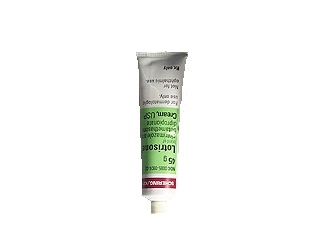
| Australian Brand Names | Lotriderm®, Resolve Plus®, various generics |
| ATC Code | D07CC01 |
| Available Forms & Strengths | Cream: betamethasone dipropionate 0.05% + clotrimazole 1% Lotion (limited brands): same strengths |
| Typical Manufacturers | MSD, Ego Pharmaceuticals, Alphapharm, Sandoz, generic manufacturers |
| Prescription Status (Australia) | Prescription only (Schedule 4) |
Mechanism of Action
- Simple Explanation: This medicine combines two ingredients. Betamethasone is a potent anti-inflammatory steroid that helps reduce redness, itching and swelling. Clotrimazole is an antifungal that stops the growth of fungus causing skin infections.
- Specialist Detail: Betamethasone dipropionate is a synthetic corticosteroid that suppresses local inflammatory responses, vasodilation, and migration of leukocytes by binding to cytoplasmic glucocorticoid receptors. Clotrimazole is an imidazole antifungal that inhibits fungal cytochrome P450-dependent enzyme 14α-demethylase, impairing ergosterol synthesis and damaging fungal cell membranes.
Pharmacokinetics
- Absorption: Both ingredients are designed for topical use. Betamethasone shows moderate absorption through healthy skin (higher in inflamed/damaged areas), while clotrimazole is minimally absorbed.
- Metabolism: Betamethasone is metabolised mainly in the liver to inactive compounds. Clotrimazole undergoes rapid hepatic metabolism with negligible systemic exposure from topical use.
- Elimination: Renal and biliary routes for betamethasone metabolites; less than 1% clotrimazole excreted unchanged in urine.
- Duration of Action: Local effect persists several hours up to 12 hours per application; unlikely to cause systemic effects if used as directed.
Use in Everyday Life and Best Practices
Betamethasone/clotrimazole cream is commonly prescribed in Australia for fungal skin infections with significant inflammation, such as tinea corporis (ringworm), tinea cruris (jock itch), and tinea pedis (athlete’s foot). It's often used when over-the-counter antifungal creams (e.g., clotrimazole alone) have been ineffective or inflammation is severe.
- Wash and dry the affected area before applying.
- Apply a thin layer, gently rub in, and wash hands after use.
- Do not cover with occlusive dressings (unless directed by your doctor).
- Avoid use on the face, groin, or other sensitive areas except under medical advice.
- Duration is usually 1–2 weeks for most fungal rashes, up to 4 weeks for stubborn or widespread infections. Long-term use is discouraged.
Dosing in the Morning vs Evening
- Recommended Regimen: Apply twice daily (morning and evening) or as prescribed.
- Advantages of Regular Dosing: Maintaining regular intervals keeps symptoms controlled and maximises efficacy.
- Morning Application: Helps manage daytime symptoms and reduces visible irritation.
- Evening Application: Allows the medication to work overnight, undisturbed, when clothing/friction is less likely to rub off the cream.
- Tips: Try to apply at the same times each day for consistency. Set reminders if needed.
Taking with Food or on an Empty Stomach
As a topical medication, food intake does not affect betamethasone/clotrimazole absorption or action. You can use it regardless of meal times. In the Australian context, there are no particular dietary or food-related concerns linked to this product.
Interaction Warnings
| Type | Interaction Example | Advice |
|---|---|---|
| Medications | Other topical steroids or antifungals | Only combine on medical advice to avoid excessive local or systemic steroid exposure |
| Oral medications | Warfarin | Very rare increase in INR/bleeding risk with severely damaged skin; use with caution in such cases |
| Food & Alcohol | None | No reported interactions |
| Skin products | Cosmetic/irritant creams | May reduce product effectiveness or irritate skin; space at least 30 minutes apart |
Indications (Official and Off-label)
| Indication | Status | Notes |
|---|---|---|
| Inflammatory fungal skin infections (tinea corporis, tinea cruris, tinea pedis) | Approved (TGA) | Most common use in Australia |
| Cutaneous candidiasis | Off-label | Sometimes used, but clotrimazole alone usually preferred |
| Eczema with secondary fungal infection | Off-label | Considered when fungal infection worsens eczema |
| Fungal infections in non-inflamed skin | Not indicated | Steroid not needed unless inflammation is present |
Dosing According to Clinical Indications
| Age Group | Typical Dose | Duration | Cautions |
|---|---|---|---|
| Adults (18–64 years) | Apply thinly twice daily | 1–2 weeks, up to 4 weeks if directed | Avoid prolonged use |
| Adolescents (12–17 years) | Same as adults | 1–2 weeks | Use only as prescribed |
| Pediatric (2–11 years) | Apply very sparingly, once or twice daily | Up to 1 week | Use with caution, avoid face/groin unless instructed |
| Elderly (>65 years) | Same as adults | As short as possible | Sensitive/thin skin—extra caution |
Safety Profile and Side Effects
| Frequency | Side Effect | Advice |
|---|---|---|
| Common | Burning, itching, redness at application site | Usually settles; tell your doctor if severe or ongoing |
| Less common | Skin thinning (atrophy), stretch marks, telangiectasia | More likely with prolonged/incorrect use |
| Rare | Allergic rash, new infection (impetigo, folliculitis) | Stop use and seek advice |
| Very rare | Systemic steroid effects (adrenal suppression) | Extremely unlikely with correct use |
Guidelines for Proper Use (Pharmacist/Clinic Advice)
- Do not use on eyes, mouth, or deep/broken wounds.
- Keep out of reach of children and pets.
- Use only as long as prescribed. If there’s no improvement in a week, review with your doctor or pharmacist.
- Never share your medication with others, even if they have similar symptoms.
- Store in a cool, dry place (below 25°C), away from direct sunlight as per Australian guidelines.
- If irritation develops, stop and consult your health professional.
- For extensive, severe, or recurrent infections, full medical assessment is recommended.
Alternative Treatment Options
- Topical Antifungal Monotherapy (e.g. clotrimazole, miconazole, terbinafine): Most fungal rashes resolve with these. Pros: Fewer side effects, available over the counter. Cons: Less effective if the rash is very inflamed.
- Topical Steroid Monotherapy (e.g. hydrocortisone): Useful for non-infective inflammatory skin conditions. Cons: Will not treat fungal infection and may worsen if used alone.
- Other Combination Products (e.g. econazole/triamcinolone): Less common in Australia.
- Oral antifungal (itraconazole, terbinafine): For large or unresponsive fungal infections; requires prescription and monitoring.
Legal, Registration, and Reimbursement Status in Australia
- Regulatory Body: Therapeutic Goods Administration (TGA)
- Registration: Registered and approved for use in Australia
- Legal Classification: S4 — Prescription Only Medicine
- Reimbursement: Not routinely funded by the PBS (Pharmaceutical Benefits Scheme) for most indications; private prescription cost applies
- Pharmacy Supply: Strictly on valid prescription
Latest Research and Clinical Guidance (2022–2025)
- The 2022 update by the Australasian College of Dermatologists supports using combination topical steroids/antifungals only when inflammation is pronounced and duration is kept as short as possible (Australasian Journal of Dermatology, 2022).
- A 2023 Cochrane review found that adding a topical steroid to a topical antifungal can improve short-term symptom control but does not affect final cure rates; monotherapy is preferred for mild infections (Bada et al., Cochrane Database Syst Rev., 2023).
- New Australian guidelines (TGA, 2024) warn against unnecessary combination use to avoid steroid overexposure, especially in children and on the face/groin.
- International recommendations (UK NICE Guideline NG190, 2024) mirror this advice, prioritising antifungal-alone for most cases and reserving combination for highly inflamed rashes.
Availability and Delivery
Most Australian community pharmacies can order registered brands with standard dispensing pack sizes:
| Brand/Generic | Pack Size(s) | Indicative Price* | Usual Delivery Times (Metro/Regional) |
|---|---|---|---|
| Lotriderm®/Resolve Plus® | 15g, 30g | $13–$22 per tube | Same day – next day (Sydney, Melbourne, Brisbane); 2–3 business days (regional/rural areas) |
| Generic | 15g, 30g | $9–$17 per tube | Same/next day (metro), up to 1 week (remote/NT/WA) |
*Prices vary by pharmacy and may be subject to dispensing fees.
Frequently Asked Questions (FAQ)
- Q: Can I use Betamethasone/Clotrimazole cream for athlete’s foot?
A: Yes, this cream is suitable for athlete’s foot with marked redness or itching. For mild or non-inflamed cases, an antifungal alone is usually enough. - Q: Can I buy this cream over-the-counter in Australia?
A: No, you need a prescription from your doctor. Similar antifungal cream (without steroid) is available at pharmacies without prescription. - Q: Is it safe for children?
A: It should be used cautiously in children, only under medical guidance, and for the shortest time necessary. - Q: What should I do if I forget a dose?
A: Apply as soon as remembered, but if almost time for the next dose, skip the missed one and continue your schedule. Do not double up applications. - Q: How long should I continue treatment?
A: Follow your doctor’s advice. Do not use for more than two weeks unless specifically told to continue.
For further advice, please consult your GP, dermatologist, or pharmacy staff. Always read the Consumer Medicine Information (CMI) provided with your prescription.