Nizoral (Ketoconazole): Patient Information for Australia
Basic Product Information
| International Nonproprietary Name (INN) | Ketoconazole |
|---|---|
| Australia Brand Names | Nizoral® (most common), Sebizole® |
| ATC Code | D01AC08 (topical), J02AB02 (oral) |
| Available Forms & Strengths | Tablets (200mg), Cream (2%), Shampoo (2%) |
| Manufacturers | Janssen-Cilag, AFT Pharmaceuticals, various generics |
| Prescription Status (Australia) | Oral: Prescription Only (S4) Topical (cream, shampoo): Over-the-counter (Pharmacist Only/S2 or Pharmacy Medicine/S3 depending on pack size) |
Mechanism of Action
In Simple Terms: Nizoral contains ketoconazole, which is an antifungal medicine. It works by preventing the growth of fungi that can cause skin infections or other types of fungal diseases. Essentially, it stops the fungus from building its cell wall, which kills or halts the growth of the fungus.
For Specialists: Ketoconazole is an imidazole derivative that inhibits ergosterol synthesis in fungal cell membranes by blocking cytochrome P450-dependent 14α-demethylase. This disruption impairs membrane function, leading to leaky cell walls and fungal death.
Pharmacokinetics
- Absorption: Oral ketoconazole is best absorbed in acidic gastric conditions; bioavailability is reduced if taken with antacids or after food (see "Taking with food"). Topical formulations are not significantly systemically absorbed.
- Metabolism: Metabolised by the liver (CYP3A4 pathway); patients with liver dysfunction must use with caution.
- Elimination: Metabolites mainly excreted in bile and faeces; minor renal excretion.
- Duration of action: Plasma half-life is approximately 2–8 hours; dosing is generally once daily.
Use in Everyday Life and Best Practices
Oral Use: Reserved for serious or resistant fungal infections such as chronic mucocutaneous candidiasis, dermatophyte infections, or as second-line for systemic mycoses due to the risk of liver toxicity. Always follow prescriber's exact instructions.
Topical Forms (Cream, Shampoo):
Cream: Apply a thin layer gently to the affected area once or twice daily. Use only as directed and avoid contact with eyes.
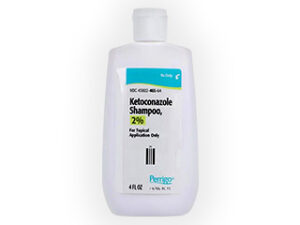
Shampoo: Massage into the scalp and leave for 3–5 minutes before rinsing. For dandruff or seborrhoeic dermatitis, use twice weekly; for tinea (fungal infections), follow your pharmacist’s directions.
General Tips:
- Complete the full course of treatment, even if symptoms resolve.
- Wash hands before and after application (topical forms).
- Maintain good hygiene and avoid sharing towels, hats or combs.
Dosing in the Morning vs Evening
- Oral Ketoconazole: Can be taken at any time, but try to take it at the same time each day. Some prefer mornings so that any potential stomach upset is managed during active hours. Others choose evening for convenience.
- Topical Forms: Apply at a regular time to form a habit and enhance consistent results. Cream: after showering (morning or evening). Shampoo: follow pharmacist or product advice.
- Regimen Consistency: Whichever time you choose (morning or evening), consistency is more important than the specific time of day.
Taking with Food or On an Empty Stomach
- Oral Use: Best taken with a meal, especially one containing some fat, to enhance absorption. Avoid grapefruit juice as it may increase the risk of adverse effects.
- Meals and pH: Avoid taking with antacids or within 2 hours of medications that reduce stomach acid (many English breakfast foods are suitable: toast, eggs, muesli; greasy, hot curries not needed but minimal fat is helpful).
- Topical Use: No relation to meals.
Interaction Warnings
Some medicines, foods, and alcohol can interact with ketoconazole:
| Type | Interaction Examples | Advice |
|---|---|---|
| Medicines | Statins, benzodiazepines, certain antihistamines, warfarin, oral hypoglycaemics, antacids, proton pump inhibitors, some antiepileptics | Warn your doctor or pharmacist before use; dose adjustment may be necessary |
| Food & Drinks | Grapefruit juice, alcohol | Avoid grapefruit juice; alcohol may increase liver toxicity risk—limit intake |
| Herbal Remedies | St John’s Wort, ginger, ginkgo | May lower effectiveness; consult your doctor |
| General | Other topical products on same area | May reduce Nizoral efficacy—use separately |
Indications
| Indication | Form | Official/Off-label |
|---|---|---|
| Dermatophyte infections (tinea, ringworm, athlete’s foot) | Cream, shampoo | Official |
| Seborrhoeic dermatitis, dandruff | Shampoo | Official |
| Pityriasis versicolor | Cream, shampoo | Official |
| Systemic fungal infections (chronic mucocutaneous candidiasis, histoplasmosis, blastomycosis, etc.) | Tablets | Official (only if no alternatives or resistance) |
| Prostate cancer (hormone-refractory cases) | Tablets | Off-label |
Dosing According to Clinical Indications
| Indication | Route | Adults | Children | Elderly |
|---|---|---|---|---|
| Tinea, ringworm, athlete's foot | Cream, shampoo | Apply 1–2 times daily | Apply 1–2 times daily (under supervision) | Apply 1–2 times daily (monitor skin) |
| Dandruff / seborrhoeic dermatitis | Shampoo | Twice weekly (maintenance: once weekly) | As directed, lower frequency | Same as adults |
| Systemic infections | Oral tablet | 200mg–400mg once daily (specialist direction) | 3.3–6.6 mg/kg once daily (maximum: 400mg) | As adults, but monitor liver function closely |
Safety Profile & Side Effects
While most patients tolerate Nizoral well, some side effects may occur.
| Frequency | Side Effects | Warnings |
|---|---|---|
| Common | Itching, redness, burning (topical); Nausea, abdominal pain (oral) | Usually mild; consult pharmacist if troublesome |
| Occasional | Hair loss (shampoo), headache, diarrhoea | Monitor if persistent |
| Rare | Jaundice, severe skin reactions, irregular heart rhythm (QT prolongation) | Seek urgent medical attention |
| Serious | Liver toxicity, allergic reaction | Cease use and seek immediate help |
Important: Oral ketoconazole has a risk of severe liver injury; blood tests may be required. Avoid alcohol and report symptoms such as yellow skin/eyes, dark urine, or severe fatigue immediately.
Guidelines for Proper Use (Australia Context)
- Use only as prescribed or advised by your pharmacist, especially for oral forms.
- Topical products can be purchased directly from your community pharmacy in most cases.
- For stubborn symptoms or worsening, see your GP. Do not self-medicate for systemic infections.
- Store topical products at room temperature, away from direct sunlight and out of reach of children.
- Dispose of unused products responsibly—return to pharmacy for eco-safe disposal if needed.
- For those working or living in hot/humid English climates, use a clean towel daily and dry skin thoroughly before application.
Alternative Treatment Options
- Terbinafine (Lamisil®): Available OTC/topical/oral; highly effective for most skin fungal infections. Fewer drug interactions than ketoconazole.
- Clotrimazole (Canesten®): Cream/pessary/oral; suitable for mild skin or vaginal fungal infections.
- Fluconazole (Diflucan®): Oral; more commonly used for systemic candidiasis—better tolerated than oral ketoconazole.
- Miconazole: Topical/oral gel; used in oral thrush and some skin/mycotic infections.
Your doctor or pharmacist can advise the most appropriate option based on your specific infection and health profile.
Legal, Registration, and Reimbursement Status in Australia
- Registered under the Therapeutic Goods Administration (TGA) by multiple sponsors.
- Prescription required for oral/tablet forms (Schedule 4 medicine).
- Topical products (cream/shampoo) available as pharmacy or pharmacist-only medicines, depending on package size.
- Systemic/oral use is not routinely subsidised by PBS except for specific, refractory infections as approved by an infectious diseases specialist.
Latest Research/Clinical Guidance (2022–2025)
2022–2025 updates: Contemporary guidelines, including those from the Infectious Diseases Society of America and the Australasian Society for Infectious Diseases, confirm oral ketoconazole should only be used when no safer systemic antifungal therapy is available, due to risk of liver toxicity (see TGA safety updates 2023). Topical ketoconazole remains a standard for mild-moderate fungal skin infections and seborrhoeic dermatitis. Recent evidence (BMJ, 2023) confirms efficacy of 2% shampoo for dandruff and scalp fungal conditions, with few adverse reactions.
Availability and Delivery
| Product | Pack Size | Indicative Price (AUD) | Delivery Time – Sydney | Delivery Time – Melbourne | Delivery Time – Brisbane | Delivery Time – Perth |
|---|---|---|---|---|---|---|
| Nizoral Cream 2% | 30g, 60g | $13–$22 | Next-day | 1–2 days | 1–2 days | 2–3 days |
| Nizoral Shampoo 2% | 60mL, 120mL | $15–$30 | Next-day | 1–2 days | 1–2 days | 2–3 days |
| Nizoral Tablets 200mg | 30 tablets | $75–$125 | 2 days (Rx required) | 2–3 days (Rx required) | 2–3 days (Rx required) | 3–4 days (Rx required) |
FAQ – Frequently Asked Questions
- Can Nizoral shampoo be used every day?
Generally, 2–3 times per week is sufficient for most scalp conditions. Overuse can cause dryness or irritation; follow the instructions from your pharmacist or GP. - How quickly will I see results?
For skin infections, improvement typically occurs within 2–4 weeks; dandruff and scalp issues often improve within 1–2 weeks. Complete the full course, even if symptoms resolve earlier. - Is Nizoral safe during pregnancy?
Topical forms are preferred and considered low-risk. Oral ketoconazole should only be used if absolutely necessary under specialist advice. Always consult your doctor if pregnant or breastfeeding. - What should I do if I miss a dose?
Apply/take as soon as you remember, unless near your next scheduled dose—then skip the missed dose. Do not double the dose. - Do I need a prescription for Nizoral?
Tablets require a doctor's prescription (Schedule 4). Creams and shampoos are usually available over the counter or from a pharmacy pharmacist.