Vantin (Cefpodoxime) – Comprehensive Product Information for Patients in Australia
Basic Product Information
| International Non-Proprietary Name (INN) | Cefpodoxime |
| Australian Brand Names | Vantin, Cefpodoxime Sandoz, Cefpodoxime Apotex |
| ATC Code | J01DD13 |
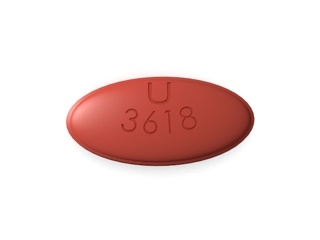
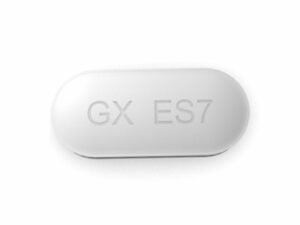
| Available Forms & Strengths | Oral tablets: 100 mg, 200 mg; Oral suspension: 50 mg/5 mL, 100 mg/5 mL |
| Major Manufacturers | Sandoz, Apotex, Aurobindo Pharma, Generic suppliers |
| Prescription Status in Australia | Prescription Only Medicine (Schedule 4, S4) |
Cefpodoxime (sold as Vantin and other brands) is a prescription antibiotic used in Australia to treat certain types of bacterial infections. It belongs to a group of medications known as third-generation cephalosporins and is available in tablet and oral suspension forms for both adults and children.
Mechanism of Action
- In simple terms: Cefpodoxime works by stopping bacteria from building their protective cell walls, making the bacteria unstable and causing them to die. This allows your body’s immune system to clear the infection more easily.
- For specialists: Cefpodoxime is bactericidal, inhibiting cell wall synthesis by binding to penicillin-binding proteins (PBPs), particularly PBP 3, resulting in cell lysis. It is resistant to many β-lactamases and active against a broad spectrum of Gram-positive and Gram-negative bacteria.
Pharmacokinetic Profile
| Absorption | Approximately 50% orally. Food increases absorption by 10–20%. |
| Metabolism | Limited hepatic metabolism; mostly unchanged in urine. |
| Elimination | Mainly renal (kidney); 80–90% excreted unchanged in urine. |
| Half-life | Approximately 2.1–2.5 hours in healthy adults. |
| Duration of Action | Dosing usually twice daily maintains therapeutic levels. |
Adjustments may be necessary for patients with kidney impairment. Minimal transfer through breast milk has been recorded.
Everyday Use and Best Practices in Australia
- Common Indications: Respiratory tract infections (including bronchitis, sinusitis, pneumonia), urinary tract infections, skin and soft tissue infections, and some sexually transmitted infections (e.g., gonorrhoea).
- Who may use it: Suitable for adults, adolescents, and children (adjusted doses).
- Typical duration: 5–14 days, depending on the infection and your doctor’s instructions.
- How to use:
- Follow your doctor’s prescription exactly.
- Take the tablet or suspension twice a day (every 12 hours), ideally at the same times daily.
- Shake liquid suspension well before measuring a dose.
- Finish the whole course, even if you feel better before it is completed.
- Store the oral suspension in a refrigerator (2–8°C), but never freeze. Tablets can be kept at room temperature.
- Do not share antibiotics with others or save for future use.
Dosing in the Morning vs Evening
- Cefpodoxime is usually dosed every 12 hours (e.g., 8am & 8pm).
- No clinically significant difference between taking in the morning or evening; consistency is key.
- Tip: Take at times you are most likely to remember (e.g., with breakfast & dinner).
- If a dose is missed, take as soon as you remember, unless it is almost time for your next dose. Do not double dose.
Taking With Food or on an Empty Stomach
- Taking Cefpodoxime with food increases its absorption slightly (by up to 20%), which may correspond to improved effectiveness, especially for severe infections.
- Food may also reduce stomach irritation for some people.
- There are no known major food-based dietary restrictions in the English or Australian diet.
- Best Practice: Take with or immediately after a meal or snack, unless your healthcare provider advises otherwise.
Drug, Food, and Alcohol Interactions
| Type | Example/Effect | Advice |
| Other Antibiotics | Antacids (aluminium or magnesium hydroxide), H2 blockers (ranitidine) | Can reduce absorption of Cefpodoxime—separate by at least 2 hours. |
| Probenecid | Increases Cefpodoxime levels | Not usually needed—consult your doctor. |
| Oral Contraceptives | Possible reduced effect if severe diarrhoea/vomiting | Use extra contraception if affected. |
| Alcohol | No direct interaction | Limit alcohol as it can worsen infection symptoms or side effects. |
| Food | High-fibre or iron-rich foods | No significant effect. |
| Blood Thinners | e.g., warfarin | Monitor for increased bleeding—inform your doctor. |
Indications (Approved and Off-Label Uses)
| Approved Indications (Australia, TGA) | Off-label/Non-Standard Use |
- Community-acquired pneumonia
- Acute exacerbations of chronic bronchitis
- Acute maxillary sinusitis
- Pharyngitis, tonsillitis
- Cystitis (lower urinary tract infection)
- Uncomplicated skin and soft tissue infections
- Sexually transmitted gonococcal infections (as alternative)
| - Otitis media (middle ear infection)
- Typhoid fever (as alternative in children)
- Other urogenital infections as deemed necessary by a specialist
|
Dosing According to Clinical Indication
| Indication | Adults (including elderly) | Paediatric (children) | Notes |
| Community-acquired pneumonia | 200 mg twice daily | 10 mg/kg/day in two doses (max 200 mg/dose) | 7-14 days |
| Bacterial sinusitis | 200 mg twice daily | 10 mg/kg/day in two doses | 7-10 days |
| Skin infection | 100 mg twice daily | 6 mg/kg twice daily | 7-10 days |
| Urinary tract infection | 100 mg twice daily | 6 mg/kg twice daily | 7 days |
| Pharyngitis/tonsillitis | 100 mg twice daily | 5 mg/kg twice daily | 5-10 days |
| Gonorrhoea | 200 mg single dose | Not routinely recommended | Use alternative where possible |
| Renal impairment (all conditions) | Dose adjustment may be necessary; consult your doctor or pharmacist. |
Safety Profile & Side Effects
| Frequency | Possible Side Effects |
| Common (>1%) | - Diarrhoea
- Nausea
- Headache
- Stomach pain or discomfort
- Rash
|
| Less common (0.1-1%) | - Vomiting
- Itching
- Fatigue
- Mild allergic reactions
|
| Rare (<0.1%) | - Severe allergic reaction (anaphylaxis)
- Severe diarrhoea (Clostridioides difficile infection)
- Blood disorders (e.g., leucopenia)
|
If you notice symptoms of a severe allergic reaction (difficulty breathing, swelling of face/lips/tongue, severe rash), seek emergency help immediately. Always read the Consumer Medicines Information (CMI) or ask your pharmacist for advice.
Guidelines for Proper Use (Australian Practice)
- Always take as prescribed and complete the entire course—even if you feel well.
- Record your doses (paper, calendar, or phone reminders).
- Do not double dose if you forget one—just resume your routine.
- Keep out of reach of children; store safely.
- Dispose of any leftover liquid suspension according to pharmacy guidelines (do not keep for reuse).
- Contact your pharmacist or GP if you have any unexpected symptoms.
- Notify your doctor if pregnant or breastfeeding, or if you have major allergies.
- Inform your healthcare provider about all medicines and supplements you take.
Alternative Treatment Options in Australia
- Other oral antibiotics for similar infections:
- Amoxicillin (with/without clavulanic acid)
- Cefuroxime
- Co-trimoxazole (trimethoprim/sulfamethoxazole)
- Azithromycin or clarithromycin (for penicillin allergy)
- Comparative overview:
- Cefpodoxime is often chosen for certain resistant Gram-negative bacteria or when first-line drugs cannot be used due to allergies or resistance.
- Amoxicillin remains the first-line for many respiratory infections, but resistance is an emerging issue.
- All oral antibiotics listed above are on the Pharmaceutical Benefits Scheme (PBS) and subsidised for eligible Australians when prescribed by a doctor.
- Choice should be based on infection severity, patient allergies, local resistance patterns, and your doctor’s judgement.
Legal, Registration and Reimbursement Status
- Therapeutic Goods Administration (TGA): Registered prescription medication.
- Schedule: S4 – Prescription Only.
- PBS (Pharmaceutical Benefits Scheme): Cefpodoxime is subsidised for certain infections. Ask your pharmacist for current status, as indications and subsidies can change.
- Supply is only with a valid doctor’s prescription and under pharmacist supervision.
- Not available for over-the-counter sale or direct importation without appropriate documentation.
Latest Research and Clinical Guidance (2022–2025)
- Recent evidence supports Cefpodoxime’s role for difficult-to-treat respiratory and urinary tract infections, particularly with multi-drug resistant organisms (refs: The Medical Journal of Australia 2022; Australian Prescriber 2023).
- Australian guidelines recommend it as a second- or third-line agent, to help reduce antibiotic resistance.
- Ongoing research supports cautious use in paediatrics and older adults, with dose adjustments for kidney function (ref: TGA, 2024; NPS MedicineWise, 2023).
- Emerging global guidelines (e.g., NICE, UK; IDSA, USA) emphasise “antibiotic stewardship” — using narrowest spectrum and shortest necessary duration.
Availability, Pack Sizes and Delivery
| Form | Pack Sizes (Typical) | PBS Price (As of 2024) | Major City Delivery (Approx.) |
| Tablets | 100 mg x 20, 200 mg x 14 | $16.50 – $19 (concessional prices lower) | - Sydney: 1-2 business days
- Melbourne: 1-2 business days
- Brisbane: 2-3 business days
- Perth: 2-4 business days
- Regional: 2-5 business days
|
| Oral Suspension | 50 mg/5 mL x 50 mL; 100 mg/5 mL x 50 mL | $17.60 – $21 | - Sydney: 1-2 business days
- Melbourne: 1-2 business days
- Other: Add 1-2 days
|
Prices and delivery times may vary by pharmacy and are indicative only. Always check current availability when ordering.
Frequently Asked Questions (FAQ)
- Can I take Cefpodoxime or Vantin if I have a penicillin allergy?
Many people with penicillin allergy can safely take cefpodoxime, but there is a small risk of cross-reaction. Always inform your doctor and pharmacist of any allergies. Do not self-start antibiotics. - What should I do if I miss a dose?
Take the missed dose as soon as you remember, unless it’s almost time for your next dose. Do not double up. Stick to your regular schedule as much as possible. - Is it safe to drink alcohol while on cefpodoxime?
While there is no direct harmful interaction, excessive alcohol can increase the risk of side effects or delay your recovery. Aim to limit alcohol until your course is finished. - Can children and elderly people use this medication?
Yes, at adjusted doses. Children and elderly patients may require dose changes because of differences in body size or kidney function. Always follow your doctor’s instructions. - Should I stop the antibiotic if I feel better?
No. Complete the entire prescribed course to ensure the infection is fully treated and to help prevent future antibiotic resistance.
For more detailed or individual medical advice, always consult your local doctor or community pharmacist.