Ethionamide: Patient Information for Australia
Basic Product Information
| International Nonproprietary Name (INN) | Ethionamide |
|---|---|
| Common Australia Brand Names | Tubercidin® (availability subject to supply), generic Ethionamide |
| Anatomical Therapeutic Chemical (ATC) Code | J04AD03 |
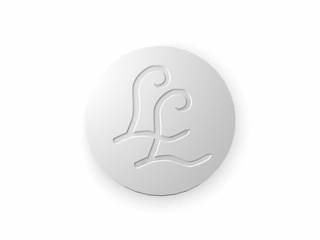
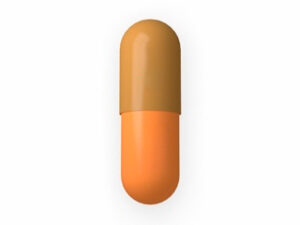
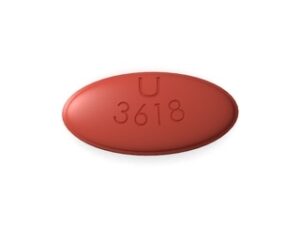
| Available Forms & Strengths | Tablets: 250 mg |
| Manufacturers (Australia supply) | Generic manufacturers overseas, access arranged via Special Access Scheme (SAS) where required |
| Prescription Status | Prescription only (Schedule 4, S4 medication in Australia) |
Mechanism of Action
For patients: Ethionamide works by stopping the growth and multiplication of certain bacteria, especially Mycobacterium tuberculosis, which causes tuberculosis (TB). It works by interfering with the bacteria’s ability to build a protective barrier around itself, making it easier for your immune system and other medicines to destroy the infection.
For healthcare professionals: Ethionamide is a prodrug that, after activation by the bacterial monooxygenase EtaA, inhibits InhA, an enzyme critical for mycolic acid synthesis in mycobacteria. This disruption of cell wall biosynthesis leads to bacteriostatic or bactericidal effects depending on drug concentration and susceptibility of the strain.
Pharmacokinetics
- Absorption: Well-absorbed from the gastrointestinal tract; peak plasma concentrations reached within 2–3 hours of oral administration.
- Distribution: Widely distributed throughout body tissues, including cerebrospinal fluid.
- Metabolism: Extensively metabolised in the liver, mainly via hydrolysis and oxidation.
- Elimination: Primarily excreted via urine (active/metabolised forms); minor amount in faeces.
- Half-life: Approximately 2–3 hours in adults, possibly extended in hepatic impairment.
- Duration of action: Usually dosed once or twice daily due to the half-life and clinical need for steady state with other anti-TB medications.
Use in Everyday Life and Best Practices
Ethionamide is prescribed mostly for drug-resistant tuberculosis (multidrug-resistant TB or MDR-TB), and is sometimes used for non-tuberculous mycobacterial infections on specialist advice. It is rarely a first-choice medication and often forms part of a combination regimen.
- Typical adult dose: 500–1000 mg daily, usually divided into two doses, but may be given once daily if well-tolerated.
- Children: Dose is based on weight and specialist recommendation.
- Ethionamide must always be taken as prescribed by your doctor, and ideally at the same time(s) each day to maintain steady levels.
- The total treatment duration is typically 18–24 months as part of multi-drug regimens for MDR-TB.
- Ethionamide should never be used as monotherapy (alone).
Patients are usually monitored closely by infectious disease or TB specialists, often as part of a team in a hospital or specialised clinic setting.
Dosing in the Morning vs Evening
- Morning dosing: May decrease the risk of insomnia (a possible side effect). Aligns with usual morning routines and mealtimes.
- Evening dosing: Sometimes preferred if daytime gastrointestinal upset occurs, but may worsen sleep disturbances for some. Patients should alert their providers if sleep or mood changes occur.
- General advice: Try to take at the same time of day, every day. If gastrointestinal upset is troublesome, splitting the dose between morning and evening or taking it with a light snack may help. Consult your doctor before changing timing.
Taking with Food or on an Empty Stomach
Ethionamide can be taken with or without food. However, taking it with a small meal or milk may help reduce stomach upset, which is a common side effect. Australian dietary habits favour light meals (such as toast or a smoothie for breakfast) and this is generally acceptable. High-fat meals may slightly delay absorption, but this is rarely clinically significant.
- If nausea is problematic, avoid greasy or rich foods at the time of dosing.
- Oral doses should be swallowed whole with water.
Interaction Warnings
| Type | What to Avoid | Comments |
|---|---|---|
| Alcohol | Alcoholic drinks | May worsen liver side effects and increase gastrointestinal upset. Strongly advised to avoid. |
| Food | Very hot or spicy foods | May aggravate stomach irritation or nausea in some patients. |
| Medications | Other hepatotoxic drugs (e.g. isoniazid, rifampicin); diabetes medications | Increased risk of liver toxicity; may alter blood sugar control—monitor with your doctor. |
| Supplements | B6 (pyridoxine) sometimes recommended | May help reduce risk of nerve problems (neuropathy) as advised by your doctor. |
Indications
| Indication | Status | Notes |
|---|---|---|
| Multidrug-Resistant Tuberculosis (MDR-TB) | Approved/Primary | Specialist use only—usually with other drugs |
| Extensively Drug-Resistant Tuberculosis (XDR-TB) | Approved/Primary | Part of complex multi-drug regimens |
| Nontuberculous Mycobacterial Infections | Occasional/Off-label | Specialist recommendation required |
Dosing According to Clinical Indications
| Population | Indication | Starting Dose | Maximum Dose | Comments |
|---|---|---|---|---|
| Adults | MDR/XDR-TB | 250 mg twice daily | 1,000 mg per day | May be split; titrate up as tolerated |
| Children | MDR-TB | 15–20 mg/kg/day | 1,000 mg per day | Weight-based, supervised by paediatric TB specialist |
| Elderly | MDR/XDR-TB | Standard adult dose | Standard adult max | Monitor more closely for liver and neurological side effects |
| Hepatic impairment | Any TB | Lower or less frequent doses may be needed | - | Use with caution and monitor closely |
Safety Profile/Side Effects
| Frequency | Possible Side Effects | Action to Take |
|---|---|---|
| Very Common (≥1 in 10) | Nausea, vomiting, loss of appetite, metallic taste, abdominal pain, weight loss | Take with small meal; see doctor if persistent |
| Common (≥1 in 100) | Mood changes, drowsiness, headaches, dizziness, mild rash | Discuss with your doctor |
| Uncommon (≥1 in 1,000) | Peripheral neuropathy (tingling/numbness), hypothyroidism, liver function changes | Regular blood tests; report symptoms |
| Rare | Severe allergic reactions, severe liver injury, psychosis, blurred vision | Seek urgent medical attention |
- Warnings: Not recommended in patients with severe liver disease; may interact with diabetes medications; not advised in pregnancy unless the benefits clearly outweigh the risks.
Guidelines for Proper Use
- Always take Ethionamide exactly as prescribed. Missing doses can lead to treatment failure or drug resistance.
- Keep all scheduled blood tests and clinical appointments to monitor liver function and side effects.
- Do not drink alcohol while on this medicine.
- If prescribed, take pyridoxine (vitamin B6) to help prevent nerve damage (neuropathy).
- Notify your clinic if you develop a fever, yellow skin/eyes, dark urine, or new tingling in hands/feet.
- Store Ethionamide tablets in a cool, dry place out of reach of children.
- If you miss a dose, take it as soon as you remember, unless it's close to the next dose. Do not take two doses together.
- For help with medicine supply, contact your local TB clinic or hospital pharmacy. In Australia, access is usually centralised and coordinated by public health services.
Alternative Treatment Options
- Other second-line TB drugs available in Australia include cycloserine, linezolid, bedaquiline, clofazimine, and delamanid. These drugs are generally reserved for similar specialist indications and also require close monitoring.
- Advantages of alternatives: Some have fewer gastrointestinal side effects (e.g., linezolid), or shorter durations of therapy (e.g., bedaquiline in specific regimens).
- Disadvantages: Cost, availability, and different side effect profiles; not all are reimbursed under the PBS for all indications.
- Pharmacist advice: Most patients will need a tailored regimen combining several medicines for best effect; do not switch medicines or brands without clinical supervision.
Legal, Registration, and Reimbursement Status in Australia
- Legal status: Schedule 4 (S4, prescription only) in Australia.
- Registration: Ethionamide is not currently available as a general PBS listing; provided under Special Access Scheme (SAS) or Authorised Prescriber Scheme, requiring specialist application.
- Reimbursement: Costs are typically covered for MDR/XDR-TB by state or territory public health programs or via special supply arrangements. Some hospital pharmacies hold limited stock for approved patients.
- Authority: Access and supply must comply with Therapeutic Goods Administration (TGA) and Pharmaceutical Benefits Scheme (PBS) legislation.
Latest Research and Clinical Guidance (2022–2025)
- Current World Health Organization (WHO) guidelines (2022–2025) recommend ethionamide for use only when newer, less toxic options are not available or suitable, due to side effect concerns.
- Australian guidance (Communicable Diseases Network Australia, 2023) prioritises newer agents in MDR-TB treatment regimens, but ethionamide remains a key alternative in certain complex cases.
- The TB Centre of Excellence (Canberra, 2024) supports individualised approach: careful selection of ethionamide based on susceptibility testing, patient tolerance, and regimen composition.
- Recent literature emphasises the importance of vitamin B6 supplementation and routine monitoring of liver and thyroid function during therapy (Stagg HR et al., Lancet Respir Med 2023).
Availability and Delivery in Australia
Ethionamide is not generally available in regular community pharmacies. Supply is managed by major metropolitan hospital pharmacies in consultation with public health units.
| Pack Size | Indicative Price (patient not usually charged) | Delivery Time to Major Cities |
|---|---|---|
| 100 tablets (250 mg each) | Supplied under government program (value approx. AUD $350-450/pack) | 1–3 business days (Sydney, Melbourne, Brisbane) |
| Special order (bulk for hospitals) | N/A—government supply | Up to 7 business days (regional/rural locations) |
Frequently Asked Questions (FAQ)
- Can I get Ethionamide at my local pharmacy?
No, Ethionamide is not available at local pharmacies in Australia. It is provided through hospital or public health pharmacy on specialist prescription under government supply schemes. - What happens if I miss a dose?
Take the missed dose as soon as you remember, unless it’s nearly time for your next dose. Do not double up. If unsure, seek advice from your doctor or pharmacist. - Can I drink alcohol while taking Ethionamide?
It is strongly recommended to avoid alcohol while taking Ethionamide, as the combination increases the risk of liver injury and stomach upset. - Is Ethionamide safe in pregnancy or breastfeeding?
Ethionamide should only be used in pregnancy or breastfeeding if absolutely necessary, under specialist advice, as it may cause harm. Discuss all risks with your healthcare provider. - How long will I need to take Ethionamide?
Typically, for 18–24 months as part of a longer treatment course for MDR-TB. The exact duration depends on your specialist’s recommendations and your response to therapy.
Contact and More Information
If you need further information, contact your treating clinic, hospital pharmacist, or check with Australia’s national TB resources.