Tazarotene: Comprehensive Guide for Patients in Australia
Basic Product Information
| International Nonproprietary Name (INN) | Tazarotene |
|---|---|
| Australia Brand Names | Zorac®, Tazorac® (may be supplied under Special Access Scheme), generic products |
| ATC Code | D10AD05 |
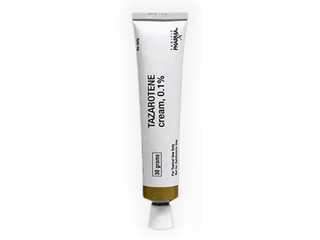
| Available Forms & Strengths | Topical gel or cream at 0.05% and 0.1% concentrations |
| Manufacturers (Australia) | Allergan Australia, Bausch Health, or via authorised pharmacies under Special Access Scheme (SAS-B) |
| Prescription Status | Schedule 4 (Prescription Only Medicine) in Australia |
Mechanism of Action
Simplified: Tazarotene belongs to the retinoid family—a group of medicines related to vitamin A. It works by regulating skin cell growth, helping to prevent the build-up of cells that can cause skin conditions like acne or psoriasis.
For specialists: Tazarotene is a selective acetylenic retinoid prodrug which, upon topical application and esterase-mediated hydrolysis, is converted to tazarotenic acid. It binds to specific retinoic acid receptors (RARβ and RARγ), modulating gene expression involved in cellular differentiation and proliferation, thereby normalising keratinocyte differentiation and reducing inflammation in dermatoses.
Pharmacokinetics
- Absorption: Minimal systemic absorption when applied as recommended. Percutaneous absorption ranges from approximately 5% to 6% for gel/cream forms.
- Metabolism: Tazarotene is rapidly converted by skin esterases to its active form (tazarotenic acid) and is further metabolised hepatically.
- Elimination: Mainly via urine as inactive metabolites.
- Duration of Action: The onset of action can be seen within 1–2 weeks for acne, with maximal effects often after several weeks.
Use in Everyday Life and Best Practices
Tazarotene is mostly used by Australians for acne vulgaris and plaque psoriasis. It's applied once daily, typically in the evening after washing and drying the affected area. Use a small, pea-sized amount for the face or a thin layer for affected plaques. Avoid sensitive areas (eyes, mucous membranes, corners of the nose, or broken skin).
- Wash hands before and after application.
- Apply a thin layer only to the affected area; using more won't improve results but may increase irritation.
- Moisturise skin before or after use as advised by your pharmacist or dermatologist.
- Consistently apply at the same time each day, ideally evening.
- Use sunscreen daily, as Tazarotene can increase sun sensitivity.
Dosing in the Morning vs Evening
- Evening dosing is generally recommended, as light exposure can degrade the medicine and increase the risk of skin irritation. Skin tends to have reduced oil and sweat secretion overnight, enhancing absorption and efficacy.
- Morning use is not recommended; however, if you forget in the evening, you may apply in the morning but should avoid sun exposure and use sunscreen.
- Tip: Set a reminder to help you stick to a regular schedule; this improves treatment outcomes.
Taking With Food or on an Empty Stomach
Tazarotene is a topical (skin) medicine, so it is not affected by eating or dietary habits. However, dietary intake of vitamin A-rich foods (such as liver, carrots, or fortified cereals) does not generally impact its use. If using with other systemic retinoids (oral), discuss your diet with your pharmacist or GP.
Interaction Warnings
| Item | Effect | Advice |
|---|---|---|
| Other topical products (e.g., benzoyl peroxide, alpha/beta hydroxy acids) | May increase skin irritation | Use at different times of day or avoid unless instructed by your prescriber |
| Alcohol-based creams or toners | Increase dryness and stinging | Avoid use on areas where Tazarotene is applied |
| Oral retinoids (e.g., isotretinoin) | Risk of vitamin A toxicity & increased irritation | Usually not recommended together—check with specialist |
| Medicines causing sun sensitivity (e.g., some antibiotics, NSAIDs) | May enhance photosensitivity | Use extra sun protection |
| Alcohol (drinking) | No significant interaction, but avoid alcohol on treated skin | Safe to consume in moderation, as per usual Australia standards |
Indications
| Indication | Notes |
|---|---|
| Acne vulgaris | Approved for mild to moderate cases, particularly facial and truncal acne |
| Plaque psoriasis | Used for adults and adolescents with stable, plaque-type psoriasis |
| Off-label: Photoageing | Sometimes prescribed for sun-damaged skin, wrinkles, or pigmentation under specialist care |
| Off-label: Keratosis pilaris, stretch marks | Only in specialist dermatology setting |
Dosing According to Clinical Indications
| Indication | Adults | Adolescents (12–17 yrs) | Children (under 12 yrs) | Elderly |
|---|---|---|---|---|
| Acne vulgaris | Apply a thin layer of 0.05–0.1% gel/cream to affected area once daily (evening) | As per adult dosing; lower strengths may be preferred in sensitive skin | Not recommended; safety not established | As per adults; monitor for increased skin dryness/irritation |
| Plaque psoriasis | Apply thin film to plaques once daily, may use 0.05% initially to minimise irritation | Same as adults | Not recommended | As per adults; consider lower frequency if skin fragile |
| Photoageing (off-label) | Small area test; lower strengths (0.05% or less) no more than once daily | Not recommended | Not recommended | Use with particular care; consult dermatologist |
Safety Profile & Side Effects
| Frequency | Side Effect | Information |
|---|---|---|
| Common (1–10%) | Skin redness, dryness, peeling, burning, itching or stinging at application site | Usually mild, dose-dependent, subsides within 2–4 weeks |
| Occasional (0.1–1%) | Blistering, swelling, hypopigmentation | More likely with higher concentrations or sensitive skin |
| Rare (<0.1%) | Contact dermatitis, severe irritation | Discontinue and seek medical advice |
| Warning | Photosensitivity (sensitivity to sunlight) | Serious sunburn risk—increase daily sun protection, avoid tanning beds |
| Contraindication | Pregnancy, breastfeeding | Tazarotene is teratogenic—must not be used by women who are pregnant or may become pregnant |
Guidelines for Proper Use: Advice from Australian Pharmacists
- Before starting, inform your GP or pharmacist of all medicines and creams you use.
- Start with a lower strength/formulation if you have sensitive skin.
- Always apply moisturiser (non-irritating, non-comedogenic) with or after tazarotene to reduce dryness.
- Wear sunscreen every day and re-apply regularly, even on cloudy days. Hats and long sleeves are recommended in the Australian sun.
- Do not use on broken, sunburnt, or eczematous skin unless instructed.
- Pregnant women or those planning to become pregnant must not use tazarotene – consult your doctor about safe alternatives.
- Persistent severe irritation—stop and seek advice from your healthcare professional.
Alternative Treatment Options
- Retinoids: Topical adapalene (Differin®), topical tretinoin – milder but also effective for acne.
- Benzoyl peroxide: Available in washes or gels; well-tolerated, suitable for mild to moderate acne.
- Antibiotics: Topical clindamycin or erythromycin, usually combined with benzoyl peroxide; for inflammatory lesions.
- Azelaic acid: Gentle, anti-inflammatory, reduces pigmentation; suitable for rosacea-prone skin.
- Salicylic acid: Mild comedolytic agent; common in acne treatments.
- For psoriasis: Topical steroids, calcipotriol (Vitamin D analogue), coal tar, or dithranol.
Pros of Tazarotene: Targeted action on keratinocyte proliferation, strong effect for resistant acne or psoriasis. Cons: Increased risk of irritation compared to some alternatives, strict pregnancy restriction, sun protection requirements.
Legal, Registration, and Reimbursement Status in Australia
- Registration: Tazarotene is approved as a Schedule 4 medicine by the Therapeutic Goods Administration (TGA). Some forms may only be supplied under Special Access Scheme (SAS-B) or by compounding pharmacies.
- Reimbursement: As of June 2024, tazarotene is not routinely listed on the Pharmaceutical Benefits Scheme (PBS); patient will usually pay full price unless eligible for SAS/PBS co-payment under certain specialist indications.
- Prescription: Valid prescription required from a GP or dermatologist, dispensed by an Australian community or hospital pharmacy.
- Pregnancy Category: X (contraindicated)
Latest Research and Clinical Guidance (2022–2025)
- According to updated guidelines by the Australasian College of Dermatologists (2023), tazarotene remains a strong first-line topical retinoid for comedonal and mild-papular acne, especially in patients unresponsive to adapalene.
- Studies (Lancet Dermatology, 2024) indicate comparable efficacy between tazarotene 0.1% and tretinoin 0.05% with faster results but slightly more irritation.
- Emerging evidence supports use in mild facial psoriasis for quality-of-life improvement (Australian Journal of Dermatology, 2022–2023).
- No new safety concerns; pregnancy restriction remains strongly emphasised. Reports suggest tailored approaches in elderly and sensitive skin populations are best practice.
Availability and Delivery in Australia
| Pack Size | Formulation | Indicative Price (AUD, Jun 2024) | Delivery Times (Business Days) |
|---|---|---|---|
| 15 g | 0.05% gel | $34–$40 | Sydney: 1–2, Melbourne: 1–3, Brisbane: 2–3, Perth: 3–5, Adelaide: 1–3 |
| 30 g | 0.05% cream | $55–$65 | As above |
| 30 g | 0.1% gel/cream | $60–$75 | As above |
Many Australian patients access tazarotene through hospital or compounding pharmacies, with prompt courier shipping available to all capital cities and major centres.
Frequently Asked Questions (FAQ)
- How long does it take for tazarotene to work on acne or psoriasis?
Most people notice improvement in 2–4 weeks, with full benefit after 8–12 weeks. Your skin may look worse before it improves; this is normal early in retinoid therapy. - Can I use moisturiser or makeup with tazarotene?
Yes—use a gentle moisturiser to help with dryness. Apply tazarotene first (let it dry), then use moisturiser. Makeup should be non-comedogenic; apply only after medicines are absorbed. - Is sun exposure really dangerous with tazarotene?
Yes. Retinoids make skin much more sensitive to ultraviolet (UV) light. Always use sunscreen (SPF50+) and avoid peak sun hours when possible. - What should I do if I become pregnant while using tazarotene?
Stop using it immediately and consult your doctor or pharmacist. Tazarotene can cause serious birth defects and should never be used during pregnancy. - What if I miss a dose?
Apply as soon as you remember unless it is nearly time for your next scheduled application. Never apply a double dose.