Adapalen: Patient-Friendly Information for Australia
Basic Product Information
| International Nonproprietary Name (INN) | Adapalene |
|---|---|
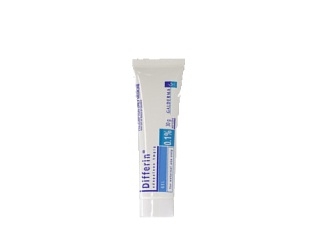
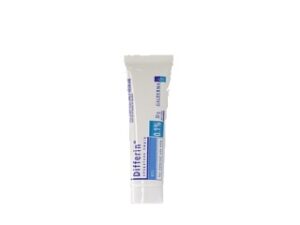
| Australia Brand Names | Differin, Epiduo (with benzoyl peroxide), various generics |
| ATC Code | D10AD03 |
| Available Forms & Strengths | Topical Gel (0.1%, 0.3%), Cream (0.1%) |
| Manufacturers | Galderma Australia, generic companies |
| Prescription Status | Generally Schedule 4 (prescription only), some lower-strength over-the-counter preparations |
Mechanism of Action
- For Patients: Adapalene is a topical retinoid (related to vitamin A) that helps prevent and treat acne by unclogging pores, reducing inflammation, and promoting skin renewal.
- For Specialists: Adapalene selectively binds to nuclear retinoic acid receptors (primarily RAR-β and RAR-γ) in the skin. This regulates the proliferation and differentiation of follicular epithelial cells, thereby normalising keratinisation and reducing microcomedone formation. It also demonstrates anti-inflammatory activity by inhibiting lipoxygenase activity and neutrophil chemotaxis.
Pharmacokinetics
- Absorption: Very low percutaneous absorption (about 0.001–0.01% of applied dose), minimising systemic effects.
- Metabolism: If absorbed, adapalene is metabolised in the liver.
- Elimination: Mainly excreted via the bile and faeces.
- Duration of Action: Local skin effects persist over 24 hours, supporting once-daily use.
Use in Everyday Life & Best Practices
- Apply once daily, preferably in the evening, after washing and drying the affected area.
- Apply a thin layer to the entire affected region, not just individual spots.
- Wash hands before and after use. Avoid mouth, eyes, and mucous membranes.
- Moisturise regularly to counteract dryness or irritation, especially in Australia’s arid climates.
- Do not use on broken or sunburnt skin.
- Apply sunscreen daily, as adapalene may increase sun sensitivity.
Typical dose (adults and adolescents 12+): Apply a thin film to affected skin once daily, preferably in the evening.
For children under 12: Safety and efficacy not established; use only if prescribed by a paediatric dermatologist.
Dosing: Morning vs Evening
- Evening Use (Recommended): Applying adapalene in the evening avoids sun exposure immediately after application, reducing the risk of sun sensitivity and irritation.
- Morning Use: It may be less effective and increases photosensitivity risk. If morning use is unavoidable, apply sunscreen over treated areas.
- Tip: Establish a consistent routine (e.g., after brushing teeth) to help remember nightly application.
Taking with Food or on an Empty Stomach
Adapalene is for external use only and is not affected by food or meal timing. However, after applying:
- Allow adapalene to fully absorb before applying cosmetics or moisturisers (wait 15–20 minutes).
- If using after dinner, ensure hands are clean and skin is completely dry to avoid irritation.
Interaction Warnings
| Interacting Substance/Class | Potential Effect | Advice |
|---|---|---|
| Other topical retinoids or irritating agents (e.g. benzoyl peroxide, salicylic acid, alpha hydroxy acids) | Increased risk of skin irritation | Only use combination products (e.g., Epiduo) if directed; do not layer multiple actives unless advised |
| Medications causing photosensitivity (e.g. tetracyclines, thiazide diuretics) | Increased susceptibility to sunburn | Use high-SPF sunscreen, avoid excessive sun exposure |
| Alcohol | No direct interaction, but alcohol-based skincare can cause irritation | Avoid alcohol-containing toners or astringents on treated skin |
| Food | No effect (not orally absorbed) | Not relevant |
Indications
| Indication | Approval Status | Comments |
|---|---|---|
| Acne vulgaris (mild to moderate) | Approved | Main indication, widely prescribed |
| Acne comedonica (blackheads and whiteheads) | Approved | Especially effective for non-inflammatory lesions |
| Off-label: Acne maintenance therapy | Off-label | Often used once acne is controlled to maintain remission |
| Off-label: Post-inflammatory hyperpigmentation & photoaging | Off-label | Some specialist recommendations, not officially approved |
Dosing According to Clinical Indication
| Population | Indication | Typical Dose | Comments |
|---|---|---|---|
| Adults & Adolescents (12+) | Acne vulgaris | Apply thin film once daily (0.1%–0.3%) | Max effect in 8–12 weeks |
| Paediatric (under 12) | Severe, refractory acne (<12: specialist only) | Individualised, only under specialist supervision | Safety/efficacy not well established |
| Elderly | Off-label uses (e.g. photoaging) | Usually standard adult dosing; consult dermatologist | Monitor for skin fragility and irritation |
Safety Profile & Side Effects
Adapalene is generally well tolerated when used as directed. Most side effects are mild and occur locally on the skin.
| Frequency | Side Effect | Recommendations |
|---|---|---|
| Very common (>10%) | Redness, dryness, peeling, mild stinging, burning | Usually resolve with moisturiser; reduce frequency if severe |
| Common (1–10%) | Worsening of acne (first 2–4 weeks), itchiness | Temporary, usually improves with ongoing use |
| Rare (<1%) | Severe irritation, contact dermatitis, swelling, blistering | Stop treatment and see healthcare professional |
| Very rare | Systemic allergic reaction | Seek urgent medical attention |
Warnings: Not recommended during pregnancy. Avoid use during breastfeeding on areas that may contact the child. Advise if you have eczema or chronic skin sensitivity.
Guidelines for Proper Use
- Wash the treatment area gently; use mild, non-soap cleansers.
- Pat skin dry thoroughly before applying adapalene.
- Apply a pea-sized amount (or as prescribed) thinly over the entire affected area, not just pimples.
- Follow with a fragrance-free moisturiser to reduce irritation.
- Use broad-spectrum sunscreen and limit sun exposure, as skin is more sensitive to sunlight.
- Do not pick or squeeze acne lesions, as this may worsen scarring.
- If you miss a dose, apply it the next evening; do not double up.
- If irritation is severe, reduce application frequency (e.g., alternate nights) or pause as advised by your pharmacist or GP.
- Store adapalene formulations below 25°C, in original packaging.
Alternative Treatment Options
- Benzoyl Peroxide: Often used for inflammatory acne; can be used alone or in combination (e.g., Epiduo with adapalene).
- Topical Antibiotics (e.g. clindamycin, erythromycin): For mild to moderate inflammatory acne, usually combined with benzoyl peroxide to reduce resistance risk.
- Topical Azelaic Acid: Effective for comedonal and inflammatory acne; also helps with pigmentation.
- Topical Retinoids (other than adapalene — e.g. tretinoin): Similar effect but may be more irritating.
- Oral Antibiotics (e.g. doxycycline, minocycline): For moderate to severe acne when topical agents are insufficient.
- Hormonal Treatments (oral contraceptives, anti-androgens): For female patients with hormonal acne.
- Oral Isotretinoin: For severe, resistant, or nodulocystic acne; requires specialist supervision due to potential side effects and strict pregnancy prevention measures.
Comparative overview: Adapalene is well-tolerated with a low risk of irritation compared to older retinoids, does not cause significant photosensitivity or instability in sunlight (unlike tretinoin), and is effective for both comedonal and mild inflammatory acne.
Legal, Registration, and Reimbursement Status in Australia
- Regulator: Therapeutic Goods Administration (TGA).
- Status: Schedule 4 (prescription medicine) for 0.3% strength and for use on children/large areas. 0.1% gel is available over-the-counter in pharmacies for mild acne.
- Reimbursement: Some adaptalene-containing products (e.g. Epiduo) may be eligible for prescribing under the PBS (Pharmaceutical Benefits Scheme) for acne; check with your GP or pharmacist for current PBS status and subsidised brands.
- Supply: Available through community pharmacies, generally not restricted except by prescription status.
Latest Research & Clinical Guidance (2022–2025)
- Adapalene remains first-line for comedonal acne and maintenance therapy after successful systemic or combined treatments (DermNet NZ, 2024).
- Several studies (Smith et al., Australas J Dermatol, 2023; Zhao et al., BJD, 2022) confirm that adapalene is more stable in sunlight and less irritating than older retinoids.
- Emerging data support its off-label use for post-inflammatory hyperpigmentation and photoaging, although these uses are not yet included in Australian guidelines (Raad et al., J Dermatol Treat, 2024).
- Australian clinical pathways (Therapeutic Guidelines: Dermatology, 2024) continue to prioritise adapalene for most mild-moderate acne, especially when concerns about antibiotic resistance exist.
Availability & Delivery
| Pack Size | Formulation | Indicative Price (AUD) | Availability |
|---|---|---|---|
| 30g | Gel/Cream (0.1%) | $20–$35 (PBS co-pay lower) | Pharmacies/National Retailers |
| 45g | Gel (0.1%, 0.3%) | $25–$45 | Pharmacies (Prescription for 0.3%) |
| 30g (combo) | Epiduo (Adapalene 0.1% + Benzoyl peroxide 2.5%) | $33–$53 | Pharmacies |
| City | Standard Pharmacy Pickup | Home Delivery (after order) |
|---|---|---|
| Sydney | Same day | 1–2 business days |
| Melbourne | Same day | 1–2 business days |
| Brisbane | Same day | 2–3 business days |
| Perth | Same day | 2–4 business days |
| Hobart | Same day | 3–5 business days |
Frequently Asked Questions (FAQ)
1. How long does adapalene take to work?
You may notice some improvement after 4–6 weeks, but it can take up to 12 weeks for the full benefit. Skin may worsen in the first few weeks before getting better — this is normal.
2. Can I use adapalene with my moisturiser or makeup?
Yes, but allow adapalene to fully absorb (about 15–20 minutes) before applying moisturiser or makeup. Always use gentle, non-comedogenic products.
3. Is it safe to use adapalene during pregnancy or breastfeeding?
Adapalene is not recommended during pregnancy. If you are breastfeeding, avoid applying adapalene to the chest and consult your doctor or pharmacist.
4. What should I do if I experience redness or peeling?
Slight redness, dryness or peeling is common initially. Use a gentle moisturiser and reduce frequency if needed. If severe, stop use and consult your healthcare provider.
5. Can I go in the sun while using adapalene?
Your skin will be more sensitive to the sun with adapalene. Always use a broad-spectrum sunscreen (SPF 30+) and reapply throughout the day; wear a hat and avoid peak sun hours.