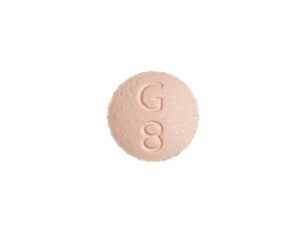
Exelon (Rivastigmine Tartrate): Comprehensive Guide for Australia Patients
Basic Product Information
| International Non-Proprietary Name (INN) | Rivastigmine Tartrate |
|---|---|
| Australia Brand Names | Exelon, Exelon Patch |
| Anatomical Therapeutic Chemical (ATC) Code | N06DA03 |
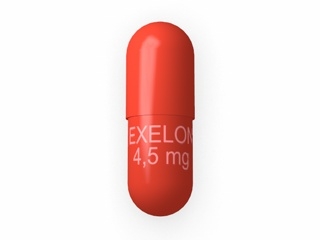
| Available Forms & Strengths | Capsules: 1.5 mg, 3 mg, 4.5 mg, 6 mg Oral Solution: 2 mg/mL Transdermal Patch: 4.6 mg/24 hours, 9.5 mg/24 hours, 13.3 mg/24 hours |
| Manufacturers | Novartis Pharmaceuticals Australia Pty Limited (main sponsor), various generic suppliers |
| Prescription Status (AU) | S4 (Prescription Only Medicine) |
Mechanism of Action
For patients: Exelon works by helping to boost the levels of a chemical called acetylcholine in the brain, which is important for memory and thinking. Low acetylcholine is often seen in people with dementia.
For specialists: Rivastigmine is a reversible inhibitor of both acetylcholinesterase and butyrylcholinesterase, leading to reduced breakdown of acetylcholine and, consequently, enhanced cholinergic neurotransmission in the cerebral cortex and subcortical regions.
Pharmacokinetics
- Absorption: Well-absorbed orally (bioavailability 36%) with peak plasma levels in 1 hour (oral) or 8–16 hours (patch).
- Metabolism: Rapidly and extensively metabolised by cholinesterase-mediated hydrolysis—not significantly involving CYP450 enzymes.
- Elimination: Mainly excreted in urine (97%), with a plasma half-life of about 1.5 hours (oral) or 3 hours (patch off-skin).
- Duration of Action: Clinical effects can last up to 12 hours for oral; steady-state achieved on patch within 2 days, providing 24-hour coverage.
Use in Everyday Life & Best Practices (AU Context)
- Typical Doses:
- Oral: Start with 1.5 mg twice daily, increased gradually every 2 weeks to maximum 6 mg twice daily.
- Patches: Start with 4.6 mg/24h, increase after 4 weeks to 9.5 mg/24h if well tolerated. The maximum patch dose is 13.3 mg/24h.
- How to use: Capsules should be swallowed whole with water, preferably with food. The oral solution can be mixed with water, juice, or a soft food. Patches should be applied to clean, non-irritated skin on the upper or lower back, chest, or upper arm, rotating sites daily.
- Practice in Australia: Medicines can be filled at any S4-registered pharmacy. The Pharmaceutical Benefits Scheme (PBS) may subsidise Exelon for diagnosed dementia, subject to eligibility.
Dosing in the Morning vs Evening
- Morning Dose: May help reduce sleep disturbances caused by cholinergic enhancement, allows monitoring for side effects during the day.
- Evening Dose: Can be useful if stomach upset or loss of appetite occurs (may be less inconvenient overnight).
- Transdermal Patch: Apply at the same time daily for consistent effect.
- Tips: Try to take/give the medicine at the same times each day for best effect; use a weekly pillbox/reminder system where helpful.
Taking With Food or on an Empty Stomach
It is generally recommended to take Exelon oral formulations with food, as this can help reduce nausea and digestive side effects. In Australia, typical breakfast and dinner meals are suitable (no special dietary restrictions required). The transdermal patch can be used regardless of meals.
Tip: Avoid heavy, fatty foods immediately before or after taking the medicine, as this may increase the risk of stomach upset.
Interaction Warnings
| Type | Examples & Advice |
|---|---|
| Food | No major food interactions, but taking with meals can reduce gastrointestinal side effects. |
| Alcohol | Minimise alcohol intake while on Exelon, as it may worsen confusion or drowsiness. |
| Medications |
|
Indications
| Indication | Status in Australia |
|---|---|
| Mild to moderate Alzheimer’s disease dementia | Approved (PBS-listed for eligible patients) |
| Mild to moderate dementia associated with Parkinson’s disease | Approved |
| Other dementias (Lewy Body etc.) | Off-label; specialist supervision |
| Other cognitive disorders | Not approved |
Dosing According to Clinical Indications
| Patient Group | Indication | Initial Dose | Maintenance Dose | Notes |
|---|---|---|---|---|
| Adult (Alzheimer’s) | Mild-moderate dementia | 1.5 mg BID (oral) 4.6 mg/24h (patch) | Up to 6 mg BID (oral) Up to 13.3 mg/24h (patch) | Increase every 2-4 weeks (oral) or 4 weeks (patch) if tolerated |
| Adult (Parkinson’s) | Mild-moderate dementia | As above | As above | Monitor for exacerbation of parkinsonian symptoms |
| Elderly | All dementia indications | Start low, go slow; as above | As above, titration slower if frail | Greater sensitivity to side effects; monitor closely |
| Children & Adolescents | Not recommended | n/a | n/a | Safety and efficacy not established |
Safety Profile & Side Effects
- Common (≥10%): Nausea, vomiting, diarrhoea, loss of appetite, weight loss, dizziness, headache, abdominal pain.
- Less common (1–10%): Insomnia, anxiety, agitation, bradycardia, faints, muscle cramps, urinary incontinence.
- Rare (≤1%): Allergic reactions, severe vomiting with dehydration, seizures, gastrointestinal bleeding, skin reactions (patch).
- Important warnings:
- Stop immediately and seek help if severe vomiting, signs of dehydration, confusion, faints, or allergic reactions occur.
- Patch users: Remove if skin rash, severe redness, or swelling develops and contact your healthcare provider.
- Precautions: Not suitable if there is a history of severe asthma, active stomach ulcers, severe hepatic or renal impairment.
Guidelines for Proper Use (with Australia-specific Tips)
- Always follow your doctor's instructions and read the Consumer Medicine Information (CMI) leaflet.
- Set reminders or use a medication diary, especially if caring for someone else.
- Report any side effects promptly to your pharmacist or GP.
- Patches: Rotate application sites, avoid broken/irritated skin, and do not cut patches.
- Store out of reach of children, in a cool, dry place (under 25°C as per PBS storage standards).
- Medicines return: Take unused or expired medicine to your pharmacy for proper disposal—do not flush or bin.
- Pensioners, veterans, and concession holders may be eligible for lower PBS co-payments.
Alternative Treatment Options
- Donepezil (Aricept, generics): Once daily, less gastrointestinal side effects, PBS-listed for Alzheimer's. No patch form.
- Galantamine (Reminyl, generics): Twice daily (IR) or once daily (ER), some benefit for behavioural symptoms, PBS-listed for Alzheimer’s. Oral only.
- Memantine (Ebixa, Namenda, generics): For moderate-to-severe Alzheimer’s, can be combined with cholinesterase inhibitors, PBS-reimbursed.
- Non-drug therapy: Occupational therapy, social engagement programs, nutritional support and cognitive stimulation are also recommended in Australia.
- Comparative Notes: Rivastigmine is the only cholinesterase inhibitor available as a patch, offering steadier dosing and lower GI side effects but higher rate of skin reactions.
Legal, Registration, and Reimbursement Status in Australia
- Approved by: Therapeutic Goods Administration (TGA), Registration No. varies with pack size/form.
- PBS listing: Subsidised for eligible patients with a confirmed diagnosis of mild-to-moderate Alzheimer’s or Parkinson’s dementia.
- Prescription status: S4 (must be prescribed by a registered medical practitioner). Initiation often by specialist, ongoing prescribing possible by GPs under specialist recommendation.
- Availability: All Australian states and territories via community and hospital pharmacies.
Latest Research & Clinical Guidance (2022–2025)
- The Australian Dementia Clinical Practice Guidelines (2022 update) recommend cholinesterase inhibitors like rivastigmine in suitable patients with mild to moderate Alzheimer’s or Parkinson’s disease dementia (NHMRC, 2022).
- A 2023 meta-analysis in “The Lancet Neurology” showed that rivastigmine patches can delay cognitive decline by 3–12 months compared to placebo, with comparable safety to oral forms and fewer gastrointestinal side effects.
- 2025 projections from Dementia Australia highlight the importance of personalised medicine in dementia, with Exelon remaining a first-line therapy.
- Ongoing clinical trials (2024–2025 internationally) are exploring rivastigmine’s potential benefits in other neurodegenerative and cognitive impairment settings, but no new EMA/TGA indications as at June 2024.
Availability, Pack Sizes, and Delivery
| Form / Strength | Pack Size(s) | Indicative PBS Cost (Concession) | Delivery Time (Sydney) | Delivery Time (Melbourne/Brisbane/Perth/Adelaide) |
|---|---|---|---|---|
| Capsules 1.5mg, 3mg, 4.5mg, 6mg | 56 (4 weeks’ supply) | $7.30 / $30–50 private | 1-2 business days | 2-4 business days |
| Patches 4.6/9.5/13.3mg/24h | 30 (4–6 weeks’ supply) | $7.30 / $60–90 private | 1-2 business days | 2-4 business days |
| Oral solution 2mg/mL | 120 mL | $7.30 / $60 private | 1-2 business days | 2-4 business days |
Note: Rural and remote areas (WA/NT/North Qld/Tas) may experience longer pharmacy delivery times (up to 5–7 business days).
Frequently Asked Questions (FAQ)
- 1. How long does it take for Exelon to work?
Some patients notice subtle improvement in memory and daily function within 2–4 weeks. Maximum benefit often takes up to 3 months. Keep in regular contact with your health professional for review. - 2. Can I stop taking Exelon suddenly?
It is important not to stop the medicine abruptly without talking to your doctor, as symptoms may worsen quickly. Your doctor will provide a safe plan if stopping is necessary. - 3. What should I do if a dose is missed?
Take the missed dose as soon as remembered, unless nearly time for the next dose (skip the missed one, do not double up). If the patch is left off for more than 3 days, consult your doctor before restarting. - 4. Are there lifestyle changes I should make while on Exelon?
Maintain a balanced diet, stay socially and mentally active, exercise within your limits, and limit alcohol. Regular health check-ups and medication reviews are recommended. - 5. Is Exelon safe with my other medicines?
Inform your doctor and pharmacist about all prescription, OTC, or herbal medicines you are taking, as some drugs or supplements may interact with Exelon. Do not start or stop any other medications without medical advice.
For further information, speak to your pharmacist, GP, or dementia support services. This content is for general information and does not replace individual medical advice.