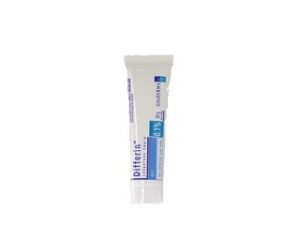
Comprehensive Guide to Differin (Adapalene) – An Australian Perspective
Basic Product Information
| International Non-Proprietary Name (INN) | Adapalene |
|---|---|
| Australian Brand Names | Differin, Epiduo (combination with benzoyl peroxide) |
| ATC Code | D10AD03 |
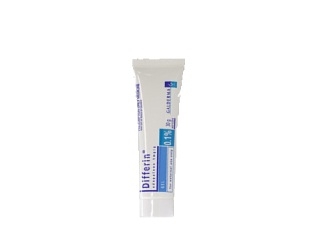
| Available Forms & Strengths | Gel 0.1% (30g, 45g), Cream 0.1% (30g) |
| Manufacturers | Galderma, Mylan Health, Alphapharm Pty Ltd |
| Prescription Status |
|
Mechanism of Action
For Patients: Adapalene is a type of topical retinoid, a medicine applied to the skin. It helps clear acne by encouraging the turnover of skin cells, preventing pores from becoming clogged. This makes pimples less likely to form and helps smooth and brighten the skin over time.
For Specialists: Adapalene is a third-generation synthetic retinoid that selectively binds to specific nuclear retinoic acid receptors (RAR-β and RAR-γ). It modulates differentiation of follicular epithelial cells, enhances keratinocyte differentiation, reduces inflammation, and decreases microcomedones.
Pharmacokinetics
- Absorption: Minimal systemic absorption when applied topically (~0.01–0.1%); less than 0.25% detected in blood in most patients.
- Metabolism: Extensively metabolised in the liver via cytochrome P450 enzymes if absorbed.
- Elimination: Elimination is mainly via bile; renal route is minor.
- Duration of Action: Topical effect persists after application; improvement usually seen after 2–4 weeks, with continued improvement up to 12 weeks.
Use in Everyday Life and Best Practices
How to Use:
- Gently wash and fully dry the affected area (face/back/chest) before application.
- Apply a thin film of Differin to the entire area once daily (not just on individual pimples).
- Avoid the eyes, lips, nostrils, and mucous membranes.
- Wash hands afterwards.
- Use a non-comedogenic moisturiser and gentle cleanser to reduce irritation.
Consistency is key for effectiveness. Most people start to see improvement within 2–4 weeks, with optimal results at 12 weeks. Skin may initially become drier, red, or mildly irritated—this is common and often settles with regular use or moisturiser.
Dosing in the Morning vs Evening
- Recommended: Apply in the evening (bedtime) after cleansing, as adapalene can break down in sunlight and may increase sun sensitivity.
- Morning Application: Not usually advised due to increased risk of irritation and photodegradation; however, if necessary, use broad-spectrum sunscreen (SPF 30+).
- Tip: Try to apply at the same time every night to encourage routine.
Taking with Food or on an Empty Stomach
- Differin is a topical medicine and is not affected by meals or specific dietary habits.
- Australian Diet Context: No need to change eating patterns, but a well-balanced diet low in high-GI processed foods may support overall skin health.
Interaction Warnings
| Potential Interaction | Details/Precaution |
|---|---|
| Other Topical Products | Avoid using other retinoids, benzoyl peroxide, products with salicylic acid, alpha hydroxy acids, or alcohol-based products on the same area unless advised. |
| Sun Exposure | Increases likelihood of sunburn and skin irritation. Use sunscreen and protective clothing. |
| Oral Medications | Very low risk due to low absorption but inform your GP/pharmacist before starting new medicines. |
| Alcohol | No direct interaction with topical adapalene. However, alcohol-based skin products may increase dryness and irritation. |
Indications
| Indication | Status |
|---|---|
| Treatment of acne vulgaris (mild to moderate) | Approved |
| Acne on trunk (chest/back) | Approved |
| Maintenance therapy after oral isotretinoin or systemic antibiotics | Common practice |
| Post-inflammatory hyperpigmentation (PIH), melasma | Off-label use (under dermatologist supervision) |
| Prevention/treatment of comedones (blackheads, whiteheads) | Widely accepted |
Dosing According to Clinical Indications
| Population | Initial Dose | Max Dose | Frequency | Notes |
|---|---|---|---|---|
| Adults (≥18 years) | Thin layer to affected area | As above | Once daily (evening) | Apply consistently for at least 8-12 weeks |
| Adolescents (12–17 years) | As per adults | As above | Once daily (evening) | Not for children under 12 |
| Elderly | As per adults | As above | Once daily (evening) | Monitor for skin thinning/sensitivity |
Safety Profile / Side Effects
- Common (may affect up to 1 in 10):
- Dry skin
- Redness
- Peeling or scaling
- Mild burning or stinging sensation
- Uncommon:
- Skin discomfort
- Worsening of acne (transient)
- Rare (seek medical advice if these occur):
- Severe skin irritation/blistering
- Allergic reactions (such as swelling, severe itching, or difficulty breathing)
- Warnings:
- Do not use on broken, sunburnt, or eczema-affected skin.
- Not recommended during pregnancy. Discuss with your prescriber if you are planning pregnancy.
- If severe irritation occurs, stop using and speak to your doctor or pharmacist.
Guidelines for Proper Use (Pharmacist/Clinic Advice)
- Start with every-other-night use if you have sensitive skin, then increase to nightly as tolerated.
- Always apply moisturiser and sunscreen SPF 30+ in the morning.
- Avoid waxing, abrasive cleansers, and strong exfoliants when using Differin.
- If excessive dryness occurs, use a gentle, fragrance-free moisturiser or consider pausing treatment for 1–2 nights.
- Contact your GP or dermatologist if you develop significant redness, blistering, or a rash.
- Adapalene has minimal risk of systemic side effects, making it safe for long-term use when used as directed.
Alternative Treatment Options
- Benzoyl peroxide gel/cream: Non-prescription, fast-acting, but may cause more dryness.
- Topical clindamycin or erythromycin: Usually used with benzoyl peroxide; effective against inflammatory acne but risk of resistance.
- Azelaic acid gel/cream (Finacea): Well-tolerated, helpful for post-inflammatory hyperpigmentation and mild-moderate acne.
- Oral antibiotics (doxycycline, minocycline): Used for moderate-severe or widespread acne, but not for long-term use due to resistance.
- Oral isotretinoin (Roaccutane): For severe, persistent acne. Potent, but requires close medical supervision due to side effect profile.
- Combined oral contraceptive pills: For females, if acne is hormonally driven.
The choice depends on acne severity, your skin type, and response to previous therapies. Discuss with your GP, dermatologist, or pharmacist.
Legal, Registration, and Reimbursement Status in Australia
- Registration: Registered with the Therapeutic Goods Administration (TGA).
- Legal Status:
- Available over-the-counter in smaller pack sizes/strengths (as per recent TGA amendments).
- Prescription-only for higher strengths/larger packs.
- Reimbursement: Listed on the Pharmaceutical Benefits Scheme (PBS) for some patients—speak to your pharmacist for eligibility (e.g. PBS item codes for chronic acne).
- Always purchase from a registered pharmacy to ensure product authenticity and advice.
Latest Research / Clinical Guidance (2022–2025)
- Recent Australian Acne Management Guidelines (Dermatology Australasian College, 2022) recognises adapalene as a first-line treatment for mild to moderate acne, either alone or in fixed combination products.
- Research (2022–2024) supports combination therapy (adapalene + benzoyl peroxide) as faster-acting and more effective than adapalene alone, with similar tolerability (see: Thiboutot DM et al. "Acne Therapy Advances", JAMA Dermatol, 2023).
- Studies show maintenance use of adapalene can reduce risk of relapse after oral treatments (Tan J et al., Br J Dermatol, 2024).
- No evidence of teratogenicity with topical adapalene in humans, but avoid if pregnant due to lack of long-term safety data (see TGA safety updates, 2023).
Availability and Delivery
Most Australian pharmacies and pharmacy websites supply Differin in gel and cream forms, typically 30g and 45g packs.
| Pack Size | Typical Price (AUD) | Availability | Estimated Delivery (Sydney, Melbourne, Brisbane, Perth, Adelaide) |
|---|---|---|---|
| 30g tube (Gel/Cream) | $22–$27 | In stock at most pharmacies | Next-day to 3 days (metro); 3–5 days (regional/rural) |
| 45g gel | $32–$38 | Check pharmacy for availability | Similar timelines |
Frequently Asked Questions (FAQ)
- How long does it take for Differin gel/cream to work?
You may begin to notice some improvement in your acne within 2–4 weeks, but full benefits usually require 8–12 weeks of regular nightly use.
- Can I use moisturiser or makeup with Differin?
Yes. You can use a gentle moisturiser and non-comedogenic (oil-free) makeup. Avoid applying these directly on top of Differin—allow at least 20–30 minutes after applying Differin before using other products.
- Is Differin safe during pregnancy or breastfeeding?
Differin is not recommended during pregnancy due to unknown risks. There is limited data for breastfeeding; if treatment is needed, avoid applying to the chest area. Always consult your doctor if you are pregnant, planning pregnancy, or breastfeeding.
- What if I forget to apply Differin one night?
Simply skip the missed dose and continue with your usual routine the next evening. Do not apply extra to make up for the missed dose, as this may increase irritation.
- Can I use Differin for blackheads or non-acne skin issues?
Differin is effective for comedonal acne (blackheads and whiteheads) and is sometimes used off-label for pigmentation or mild skin texture issues, but these uses should be supervised by a dermatologist.
For personalised advice about Differin (Adapalene), consult with your local Australian pharmacist, GP, or dermatologist.