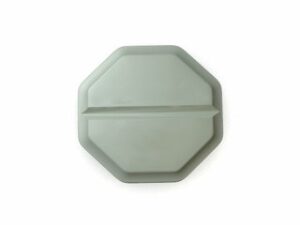
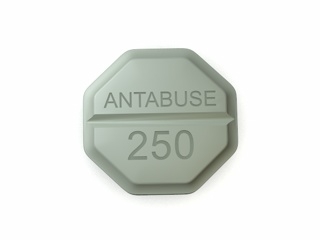


Antabuse (Disulfiram) – Patient Information for Australia
Basic Product Information
| INN (International Nonproprietary Name) | Disulfiram |
| Australia Brand Names | Antabuse®, Esperal® (some compounded varieties) |
| ATC Code | N07BB01 |
| Available Forms & Strengths | Tablets: 200 mg, 400 mg |
| Manufacturers | IVX Health, Aspen Australia, various compounding pharmacies |
| Prescription Status | Prescription Only (Schedule 4 - S4) |
Mechanism of Action
For Patients: Antabuse (Disulfiram) helps people abstain from alcohol by causing unpleasant symptoms if alcohol is consumed. When you take Disulfiram and then drink alcohol, your body is unable to break alcohol down properly, leading to the build-up of a chemical called acetaldehyde. This triggers symptoms like flushing, nausea, vomiting, and headaches, deterring you from drinking again.
For Healthcare Professionals: Disulfiram inhibits aldehyde dehydrogenase, resulting in rapid acetaldehyde accumulation when ethanol is ingested. This produces a well-defined set of aversive effects, enforcing abstinence pharmacologically.
Pharmacokinetics
- Absorption: Oral absorption is generally robust (60–90%).
- Metabolism: Rapidly metabolised in the liver to diethyldithiocarbamate and other active metabolites.
- Elimination: Primarily excreted via urine (as metabolites) and minimal amounts through faeces and breath.
- Duration of Action: Prolonged; symptoms may persist up to 2 weeks once therapy is ceased due to irreversible enzyme inhibition.
- Peak Effect: Usually 12 hours after oral dose.
Use in Everyday Life and Best Practices
Typical Adult Dose: The initial dose is usually 200–400 mg once daily. Maintenance doses range from 100–200 mg daily. Always follow your doctor’s individual instructions.
- Take the tablet whole with a full glass of water.
- Consistency is crucial—take at the same time every day.
- Never consume alcohol while taking this medicine and for 14 days after stopping.
- Alcohol-containing products (e.g., some sauces, cough syrups) can also trigger reactions.
- If you miss a dose, take it as soon as you remember, but do not double up doses.
Dosing in Morning vs Evening
- Advantages of Morning Dosing: Easier to incorporate into daily routines (e.g., at breakfast), and helps remember daily dose. May be preferred for people with structured daytime schedules.
- Advantages of Evening Dosing: May suit those who are less likely to forget medication at night or are at higher risk of evening alcohol use.
- Best Practice: Whichever time helps you stick to the routine. Talk to your pharmacist for reminders or pill organisers.
Taking with Food or on an Empty Stomach
- Disulfiram can be taken with or without food.
- Food does not significantly affect its absorption or effectiveness.
- If you have a sensitive stomach, taking with food may reduce nausea.
- Australian diets, including typical breakfast or dinner foods, do not negatively interact with Disulfiram.
Interaction Warnings
| Interaction Type | Food, Drink or Medicine | What to Do |
|---|---|---|
| Alcohol | All forms, including spirits, beer, wine, sauces, desserts, mouthwashes, perfumes | Avoid completely, even trace amounts can trigger reactions (lasts up to 2 weeks after stopping Disulfiram) |
| Metronidazole | Antibiotic (Flagyl®) | Avoid; serious neurotoxic reactions may occur |
| Phenytoin, Theophylline, Warfarin | Anticonvulsant, asthma/COPD medicine, anticoagulant | Dosage adjustments may be necessary — monitor levels |
| Tricyclic antidepressants, Benzodiazepines | Mental health medications | May increase side effects, discuss with your doctor |
| Caffeine (excessive) | Coffee, energy drinks | Some increased stimulation but generally no significant interaction; use moderation |
Indications
| Indication | Approval Status | Notes |
|---|---|---|
| Alcohol Dependence (Chronic Alcoholism) | Approved | Adjunct to psychotherapy and support, not as sole intervention |
| Cocaine Dependence | Off-label | Occasionally used in specialist settings; evidence is limited |
| Other Substance Use Disorders | Experimental/Off-label | Not recommended outside controlled trials |
Dosing According to Clinical Indication
| Patient Group | Initial Dose | Maintenance Dose | Maximum Dose |
|---|---|---|---|
| Adults | 200–400 mg daily | 100–200 mg daily | 500 mg daily |
| Elderly (65+) | 100–200 mg daily | 100 mg daily | 300 mg daily |
| Adolescents (over 16 years) | 100–200 mg daily | 100 mg daily | 300 mg daily |
| Children | Not recommended under age 16 | Not applicable | Not applicable |
Safety Profile, Side Effects & Warnings
Antabuse is generally well-tolerated when used as directed, but reactions with alcohol are potentially dangerous. Some people may also experience side effects unrelated to alcohol exposure.
| Frequency | Side Effect | Advice |
|---|---|---|
| Common (>1/100) | Drowsiness, fatigue, headache, skin rash, metallic or garlic-like taste, acne | Usually mild; talk to your pharmacist/doctor if persistent |
| Occasional (1/100–1/1,000) | Liver enzyme elevations, peripheral neuropathy (tingling/numbness), psychiatric symptoms (mood changes, confusion) | Consult your doctor promptly |
| Rare (<1/1,000) | Severe hepatitis, hypersensitivity reactions, optic neuritis, psychosis, blood dyscrasias | Discontinue and seek immediate medical attention |
- Warning: Never use in patients with severe heart, liver, or psychiatric disease without specialist supervision.
- Always inform clinical staff if you have a history of epilepsy, diabetes, or hypertension.
- Never use during pregnancy or breastfeeding unless on specialist advice.
Guidelines for Proper Use – Australian Context
- Initiation should only occur once you have not had alcohol for at least 24 hours.
- Arrange regular GP or alcohol specialist review (typically every 1–2 weeks initially).
- Consider engaging a family member or carer to supervise daily dosing, especially for those at higher risk of relapse.
- Always check ingredient lists for alcohol-containing products common in Australian supermarkets (check sauces, vanilla essence, sanitising gels, and mouthwashes).
- Keep the medication in original packaging, stored below 25°C, protected from moisture.
Alternative Treatment Options
- Acamprosate (Campral®): Helps reduce alcohol craving. No Disulfiram-like reaction with alcohol. Requires 2–3 daily doses. Listed on the Pharmaceutical Benefits Scheme (PBS).
- Naltrexone (Revia®, Generic): Reduces rewarding effects of alcohol. May be preferred for patients at high risk of ongoing use. Also PBS-listed.
- Sodium Oxybate (not PBS-listed): Mainly used in Europe; limited access in Australia.
- Psychosocial Interventions: Counselling, motivational interviewing, mutual aid/support groups (e.g., SMART Recovery, Alcoholics Anonymous) are essential for all patients.
Comparative Overview: Antabuse is uniquely aversive, deterring alcohol use. Acamprosate and Naltrexone work by reducing cravings and pleasure respectively. The choice depends on individual preferences, medical conditions, and likelihood of adherence.
Legal, Registration, and Reimbursement Status in Australia
- Legal Status: Prescription-only (Schedule 4) medicine in Australia. Cannot be purchased over the counter.
- Regulatory Authority: Registered by the Therapeutic Goods Administration (TGA).
- Reimbursement: Not routinely listed on the PBS; patients may need to pay the full cost. Prescription may be covered by certain private health funds depending on policies.
- Private and compounding pharmacies may be able to supply Disulfiram if prescribed.
Latest Research and Clinical Guidance (2022–2025)
- Recent Cochrane reviews and Australian guidelines (NaRAG, RACGP) continue to support Disulfiram for motivated individuals under supervised conditions.
- Evidence shows improved outcomes when combined with psychological support and supervised dosing.
- Ongoing trials are evaluating Disulfiram in combination with long-acting injectable therapies.
- References:
- National Guidelines for Medication-Assisted Treatment of Alcohol Dependence (RACGP, 2024)
- Cochrane Database Syst Rev 2022; Issue 12: Disulfiram for the treatment of alcohol use disorders
- Therapeutic Guidelines: Psychotropic (eTG Complete), 2024
Availability and Delivery in Australia
| Pack Size | Price (Approximate) | Delivery to Major Cities |
|---|---|---|
| 30 tablets (200 mg) | $35–$50 | 1–3 days (Sydney, Melbourne, Brisbane) |
| 90 tablets (200 mg) | $85–$130 | 2–5 days (Perth, Adelaide, Hobart) |
| Compounded (Custom Strengths) | From $2/tablet (varies) | Varies (contact pharmacy for quote) |
- Most pharmacies do not keep stock—allow 1–2 days for sourcing or compounding.
- Delivery times may be extended for remote and regional areas.
- Ask your pharmacist about discreet packaging.
Frequently Asked Questions (FAQ)
- Can I ever drink alcohol safely while on Disulfiram?
No. Even very small amounts can cause a dangerous reaction. You must completely avoid all forms of alcohol, including some foods, medications, and personal products, for at least 14 days after stopping the medicine. - What should I do if I accidentally drink alcohol while taking Antabuse?
Seek medical advice immediately, especially if you feel short of breath, faint, or develop chest pain. Take the medication packaging with you. Reactions can be severe or life-threatening in some cases. - If I miss a dose, should I take two tablets next time?
No. Take the missed dose as soon as possible, unless it’s nearly time for your next dose. Never double up or take extra tablets to catch up. - Is Antabuse safe to take with my other medications?
Check with your doctor or pharmacist. Some medications (e.g., Metronidazole, anticoagulants, certain antidepressants) may interact. Always disclose all medicines you’re taking. - How long will I need to use Antabuse?
The course varies. Some people use it for months or years, others for short periods. Your doctor will tailor the length of therapy for your needs and support plans.
This information is provided as a general summary only. Please refer to your doctor, addiction specialist, or pharmacist for personalised medical advice on Disulfiram (Antabuse) in Australia.