
Disulfiram: Patient Information for Australia
Basic Product Information
| International Non-proprietary Name (INN) | Disulfiram |
|---|---|
| Common Brand Names in Australia | Antabuse® (historically), generic brands under "Disulfiram" |
| Anatomical Therapeutic Chemical (ATC) Code | N07BB01 |
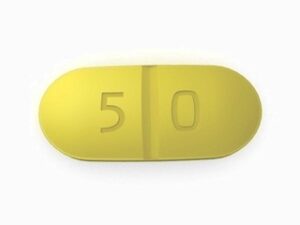
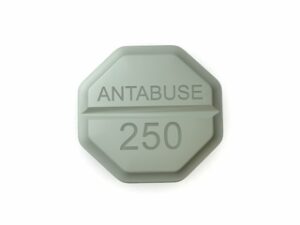
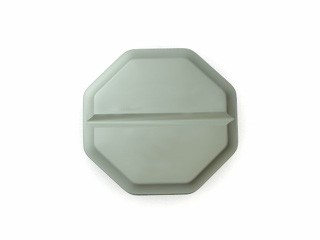
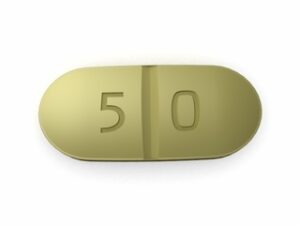
| Available Forms and Strengths | Tablets, 200 mg or 500 mg strength |
| Manufacturers (Australia) | Multiple generic manufacturers, availability may vary |
| Prescription Status | Prescription only (S4, Schedule 4) |
Mechanism of Action
For Everyone: Disulfiram is a medication used to help people stop consuming alcohol. It works by causing unpleasant effects when alcohol is consumed, which include flushing, nausea, vomiting, palpitations, and headache. This discourages individuals from drinking alcohol.
For Healthcare Professionals: Disulfiram acts as an irreversible inhibitor of the enzyme aldehyde dehydrogenase. When ethanol is ingested, disulfiram prevents its normal breakdown, resulting in elevated blood acetaldehyde levels and the "disulfiram-alcohol reaction."
Pharmacokinetics
- Absorption: Well-absorbed orally; peak plasma levels in 8–12 hours.
- Distribution: Distributed widely throughout the body, including fat tissue.
- Metabolism: Metabolised in the liver to diethyldithiocarbamate and other metabolites.
- Elimination: Excreted mainly in urine, some in faeces, and exhalation as carbon disulfide.
- Duration of Action: Effects can last up to 1–2 weeks after stopping due to irreversible enzyme inhibition.
Use in Everyday Life & Best Practices (Australia Context)
- Disulfiram is generally initiated by a doctor, with confirmation of the patient’s abstinence from alcohol for at least 24 hours before starting.
- Initial doses are often 500 mg daily for 1–2 weeks, then usually reduced to a maintenance dose (250 mg daily).
- Tablets should be taken as prescribed, and never increased or decreased without a doctor’s guidance.
- Most patients take their dose in the morning to help establish routine adherence, but it can be taken later if necessary.
- Australian patients may receive medicines through community pharmacies, with regular GP follow-up recommended as part of alcohol rehabilitation support.
Dosing: Morning vs Evening
- Morning: Taking Disulfiram in the morning enhances routine and may be more convenient for most people. This helps build medication adherence.
- Evening: Evening dosing may suit some if morning doses cause excessive drowsiness, but can increase risk of missing doses due to sleep routines.
- Consistent daily dosing is vital; consider family or support to help with reminders if needed.
Taking With Food or on an Empty Stomach
- Disulfiram can be taken with or without food. Taking with food may help if stomach upset occurs.
- Australian dietary habits generally pose no particular issues; avoid foods, sauces, or desserts containing any type of alcohol (e.g., tiramisu, liqueur chocolates, wine-based sauces).
- Read food and drink labels carefully, especially “hidden” sources of ethanol in cooking or marinades.
Interactions: Food, Alcohol & Medicines
Warning: Serious reactions may occur if you consume alcohol while taking Disulfiram.
| Type | Possible Interactions | Advice |
|---|---|---|
| Alcohol | Severe reaction (flushing, palpitations, nausea, vomiting, low blood pressure, in rare cases collapse or death) | Strictly avoid all forms of alcohol, including in medicines or food |
| Medicines | Metronidazole, isoniazid, phenytoin, warfarin, some antidepressants, benzodiazepines | Check with your pharmacist or doctor before starting any new medication |
| Foods/Other | Products with hidden alcohol: vinegar, sauces, cough syrups, mouthwash, overripe fruit | Read packaging carefully; ask pharmacist for advice |
Indications
| Indication | Type | Notes |
|---|---|---|
| Assistance in treating alcohol dependence | Official (PBS listed) | For patients motivated to remain abstinent; part of supervised care plan |
| Cocaine dependence | Off-label | Specialist use; limited evidence |
| Adjunct in some chronic infections | Off-label/research | Usually as part of research protocols only |
Dosing According to Clinical Indications
| Population | Typical Starting Dose | Maintenance Dose | Maximum Dose |
|---|---|---|---|
| Adults | 500 mg daily (1–2 weeks) | 125–250 mg daily | 500 mg daily |
| Elderly | 125 mg daily | 125–250 mg daily | 500 mg, with caution |
| Children | Not recommended in Australia | – | – |
Always follow your doctor’s instructions—dosing can be tailored to individual needs and health status.
Safety Profile & Side Effects
- Common:
- Metallic or garlic-like taste
- Drowsiness, tiredness
- Skin rash
- Acne-like eruptions
- Mild headache
- Less common but serious:
- Liver damage/hepatitis (watch for yellow skin/eyes, dark urine, upper tummy pain)
- Severe allergic reactions—swelling, difficulty breathing (seek emergency help)
- Peripheral neuropathy (numbness, tingling, weakness in limbs)
- Severe psychiatric reactions (confusion, mood swings, psychosis—rare)
- Alcohol reaction effect: If alcohol is consumed while on Disulfiram, severe reactions can occur (see above interactions table).
- If you experience any severe or unusual symptoms, contact your doctor or pharmacist immediately.
Guidelines for Proper Use
- Do not stop or restart Disulfiram without speaking to your GP or addiction specialist.
- Carry a medical alert card or bracelet stating you are taking Disulfiram.
- Inform dentists, pharmacists, and any new health professionals about Disulfiram treatment.
- Always check medicine labels for hidden alcohol (ethyl alcohol/Ethanol may be listed as an ingredient in cough syrups, topical rubs, mouthwashes, etc.).
- Alcohol-containing foods, sauces, or desserts should be strictly avoided.
- Plan alcohol avoidance with family and support services; access to alcohol may increase relapse risk.
- In Australia, attendance at support groups (SMART Recovery, Alcoholics Anonymous, etc.) is common and recommended.
Alternative Treatment Options
- Acamprosate (Campral®): Reduces cravings, PBS reimbursed. Works differently; may suit some patients better.
- Naltrexone (ReVia®, Altrexone®): Reduces alcohol’s rewarding effects; taken daily, PBS reimbursed.
- Psychological therapies: Cognitive behaviour therapy (CBT), counselling, group support.
- Liver function monitoring: All alcohol-dependence drugs require regular monitoring.
Comparative overview: Disulfiram is unique in causing an aversive response to alcohol, whereas acamprosate and naltrexone target cravings and reward circuits without producing negative reactions if alcohol is consumed. The choice of medication depends on patient preference, previous response, comorbidity, and specialist advice.
Legal, Registration & Reimbursement in Australia
- Prescription status: Schedule 4 (prescription only)
- ARTG Registration: Disulfiram products are registered with the Australian Register of Therapeutic Goods (ARTG)
- PBS Listing: Reimbursed under the Pharmaceutical Benefits Scheme (PBS) for alcohol dependence with specialist/GP treatment plan
- Supply & dispensing: Community pharmacy only (not over the counter)
Latest Research & Clinical Guidance (2022–2025)
- Recent Australian and international guidelines (RACGP, NICE, WHO) confirm Disulfiram’s role for patients committed to abstinence, emphasizing supervised administration and regular review.
- Research published in Drug and Alcohol Dependence (2022–2024) notes Disulfiram’s best effectiveness within structured rehab or family-supervised settings. Outcomes are improved where medication is part of a broader psychosocial support programme.
- Updates in PBS guidelines (2023) reinforce baseline liver testing prior to initiation, with ongoing monitoring during therapy (PBS website).
- Specialist consultations and shared care models in Australia are increasingly recommended for new prescriptions.
Availability and Delivery (Australia)
| Pack Size | Indicative Price (PBS, April 2024) | Usual Delivery Times |
|---|---|---|
| 30 tablets (200 mg) | $41.75 (PBS co-payment); may be lower for concession card holders | 1–2 business days (metro), 3–5 days (regional/rural) |
| 100 tablets (500 mg) | $120–$160 (private price); $41.75 (PBS price, if eligible) | 1–2 business days (Sydney, Melbourne, Brisbane), 2–4 days elsewhere |
- Disulfiram can be dispensed at community pharmacies or delivered by approved pharmacy couriers (Australia Post, Chemsave, TerryWhite Chemmart, etc.).
- Pharmacies must receive a valid prescription before dispensing or delivery.
FAQ – Frequently Asked Questions
- How long do I need to take Disulfiram?
Duration is individual—most people take it for 3 to 12 months, or as part of a structured abstinence plan overseen by a GP or addiction specialist. Never stop suddenly without advice. - What should I do if I accidentally consume alcohol?
Stop drinking alcohol immediately, monitor for symptoms such as flushing, nausea, chest pain, difficulty breathing, or palpitations. If symptoms develop, seek urgent medical attention. - Can I drive or operate machinery while on Disulfiram?
Most people can, but if you feel sleepy or drowsy, avoid driving or dangerous tasks until you know how the medicine affects you. - Does Disulfiram cure alcoholism?
No—Disulfiram is an aid, not a cure. Success depends on combining it with counselling, behavioural therapy, family and community support. - Can I take over-the-counter or herbal remedies with Disulfiram?
Many products contain hidden alcohol. Always check with your pharmacist before taking any new medication or supplement.
For more information, please speak to your GP, pharmacist, or call the National Alcohol and Other Drug Hotline: 1800 250 015.